
FolderDesa brings together practical knowledge on farming, village-owned enterprises, culinary traditions, rural tourism, and small-business ideas — all rooted in the everyday life of Indonesian villages.
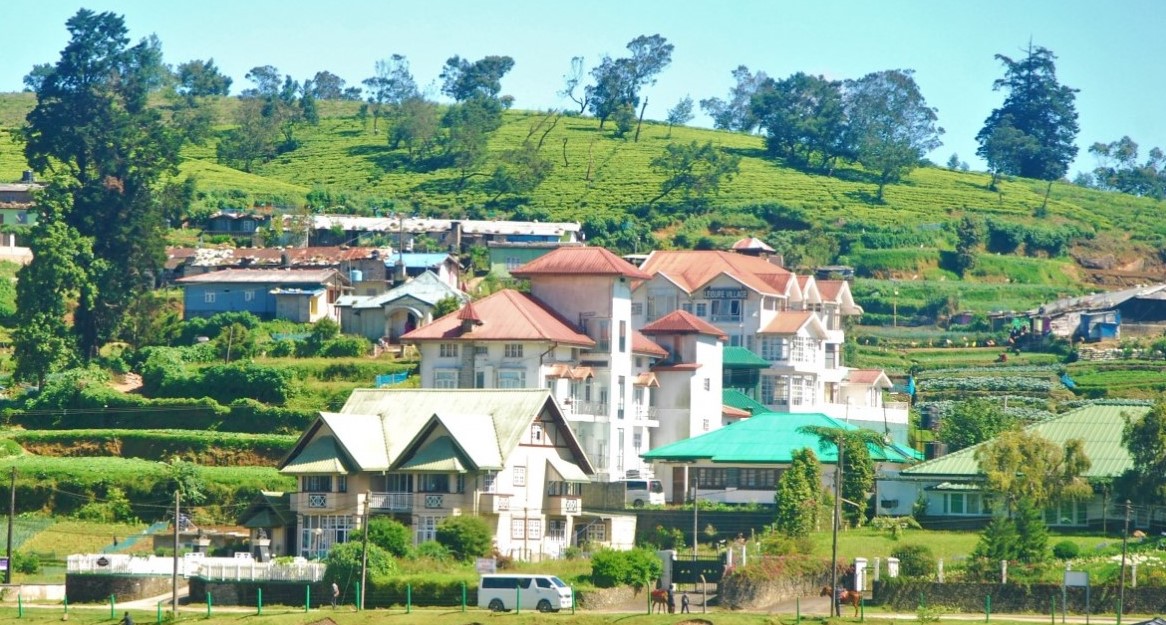
"From taro cultivation in Bogor to village tourism in Banyumas, every village has a story worth telling — and an opportunity worth sharing."
Seven areas of village knowledge
FolderDesa organizes its articles across these interconnected topics, each one grounded in real Indonesian village experience.
What you'll find on FolderDesa
Practical articles written by contributors who understand village life.
Agriculture & Cultivation
Articles on taro (talas bogor), dragon fruit, crystal guava, durian, oyster mushrooms, and tabulampot grapes — plus livestock such as dairy goats and Merino sheep.
Village-Owned Enterprises
Guides on establishing BUMDes, the differences from cooperatives, and why professional phased management matters for village economic growth.
Village Tourism
Coverage of destinations like Desa Karangkemiri in Banyumas, where outbound activities and a swimming pool helped tourism contribute Rp 50 million to village income in 2021.
Culinary Traditions
Indonesian village foods, Sundanese heritage dishes, spiced drinks, infused waters, seafood street-food ideas, and home-industry snack production.
Business Opportunities
From dried wood ear mushrooms and kopyor coconut seedlings to ecoprint crafting, bamboo crafts, and mina padi integrated rice-fish farming.
Village News & Community
Reports on social assistance programs like PKH, village governance structures, and practical tips such as safe homecoming travel during mudik season.
Creating a Village Butterfly Garden for Ecotourism Attraction
A village butterfly garden can turn a small piece of land into a living classroom, wildlife refuge and visitor attraction. With native plants, careful water management and simple interpretation, it can support biodiversity while creating income for guides, growers, food sellers and homestay operators.
For Indonesian villages, the idea fits well with community-based tourism. A garden beside a rice field, forest edge, river path or BUMDes facility can become part of a wider visitor experience. Australian travellers often value quiet, low-impact activities, especially when the visit includes local knowledge, seasonal food and a genuine connection with residents.
Start With A Practical Village Concept
The first step is to decide what the garden should provide. It may be a short stop for visitors exploring a village, a family attraction with shaded paths, or a conservation site connected to schools and farmers. The purpose will influence the size, plant selection, ticket price and daily staffing.
A small garden can begin with 500 to 1,000 square metres. Use existing trees, fences and buildings where possible, then add winding paths, resting areas and a modest viewing shelter. A village-owned enterprise can manage ticketing, maintenance and promotion, while nearby households supply snacks, seedlings, handicrafts or guided walking tours.
The garden should feel like part of the village rather than an isolated enclosure. A route that links the butterfly habitat with a traditional kitchen, coffee plot, dragon fruit farm or craft workshop gives visitors reasons to stay longer. Practical examples of rural enterprises can be found through village development stories.
Choose Plants That Support The Whole Butterfly Life Cycle
Butterflies need more than flowers. Adult insects require nectar plants, while caterpillars need specific host plants on which to feed and lay eggs. A successful habitat therefore includes flowering species, larval food plants, shelter, shallow water and areas where leaf litter can remain undisturbed.
Plant choices should reflect local conditions in Indonesia. Zinnias, lantana alternatives that are safe and controlled, ixora, cosmos, pentas, clerodendrum and native flowering shrubs can provide nectar, but the final selection should be checked with local forestry officers or an experienced nursery. Avoid invasive plants that may spread into waterways or farmland.
Create layers in the planting design. Low flowers can line paths, medium shrubs can form feeding zones and taller trees can provide shade and protection from heavy rain. Leave some plants with chewed leaves rather than removing every sign of insect activity; caterpillar damage is evidence that the habitat is working.
Build A Safe And Comfortable Visitor Space
Butterflies are sensitive to wind, extreme heat, pesticides and sudden changes in moisture. A garden should include windbreaks, shaded corners and dense vegetation. Netted structures may help in places with heavy rain or high visitor pressure, but a fully enclosed enclosure requires stronger maintenance and careful control of temperature and humidity.
Paths should be firm, slip-resistant and wide enough for families and older visitors. Drainage is especially important during Indonesia’s wet season. A simple open drain, raised walkway or gravel surface can prevent muddy conditions without making the site look overly engineered.
Australian visitors are accustomed to clear safety information in parks and wildlife centres. Signs should explain where guests may walk, why butterflies should not be touched and how children can observe quietly. Use Indonesian and English, with short wording and simple illustrations. A shaded bench, drinking-water point and clean toilet can strongly affect reviews and repeat visits.
Connect The Garden To Local Farming
Butterfly tourism works best when it strengthens existing livelihoods. Farmers can grow nectar plants for the garden, raise seedlings for sale or offer short lessons about pollination. A small nursery beside the entrance can generate income throughout the year, including when butterfly numbers are lower.
The garden can also demonstrate how ecological practices benefit crops. Explain the difference between helpful insects, pests and pollinators, and show visitors how compost, flowering borders and reduced pesticide use improve soil and farm health. A local example, such as a fruit plot or vegetable garden, makes the message more memorable than a generic display.
For villages growing tropical fruit, interpretive links can be especially effective. Visitors interested in farm-based tourism may enjoy learning about dragon fruit cultivation before walking through the butterfly habitat. This creates a connected itinerary and gives farmers another reason to welcome guests.
Design Experiences For Australian Travellers
Australian visitors often plan trips around school holidays, dry-season weather and regional travel routes. They may arrive from Bali, Yogyakarta or Jakarta as part of a longer itinerary, so reliable opening hours and clear travel information matter. A garden that accepts card or mobile payments, lists prices in rupiah and provides an English location pin will be easier to use.
Use plain, friendly language in promotional material. Phrases such as “a relaxed village walk” or “meet local growers” can appeal to Australian travellers who prefer authentic experiences over highly staged attractions. In Queensland, for example, people may already be familiar with butterfly houses around the Wet Tropics, so an Indonesian garden should highlight its own setting, food, farming and culture.
Pricing should match the experience rather than compete solely on cheap admission. Offer a basic entry ticket, a guided option and a combined package with lunch, a farm visit or craft demonstration. Australian guests commonly compare activities through Google Maps, travel platforms and social media, making current photos, honest reviews and straightforward transport details valuable.
Train Guides And Share Local Knowledge
A good guide can turn a short visit into a meaningful ecotourism experience. Train young residents, farmers and women’s groups to identify common butterflies, describe host plants and explain seasonal changes. Guides do not need advanced scientific qualifications; they need accurate information, confidence and the ability to tell local stories.
Training should include visitor safety, first aid, waste management and basic English phrases. It is useful to prepare a small field card showing butterfly names in Indonesian, English and, where possible, the local language. Do not promise that visitors will see a particular species every day, since weather and life cycles affect sightings.
Community participation also protects the garden from becoming dependent on one person. Create written duties for watering, cleaning, guiding, ticketing and nursery work. A transparent revenue-sharing arrangement can support maintenance while sending a defined portion to village programmes or conservation activities.
Measure Results And Keep The Habitat Healthy
Record visitor numbers, income, plant survival, butterfly sightings and maintenance costs from the first month. These records help the village identify busy periods, popular services and weak points. A simple notebook or spreadsheet is enough at the beginning, provided staff use it consistently.
Avoid releasing commercially purchased butterflies without expert advice. Imported or non-local species can create ecological problems, while mass releases may give visitors an inaccurate impression of conservation. It is safer to improve habitat conditions and allow local populations to develop naturally.
Marketing should show real conditions: flowering plants, guides at work, children learning and visitors walking through the garden. Post seasonal updates so guests understand that butterfly numbers change. A garden that explains its limits honestly will build stronger trust than one promising constant displays.
A village butterfly garden becomes sustainable when its ecology and business model support each other. Begin with a manageable site, native or locally suitable plants, trained residents and a clear visitor route. Connect the experience with farming, food and community enterprise, then use visitor records to improve the garden season by season.
The practical takeaway is simple: start small, protect the habitat, involve local households and sell a complete village experience rather than an entrance ticket alone.

Questions or story ideas from your village?
FolderDesa welcomes readers who want to share village experiences or learn more about the topics covered on the site.
Visit the Contact Page