
FolderDesa brings together practical knowledge on farming, village-owned enterprises, culinary traditions, rural tourism, and small-business ideas — all rooted in the everyday life of Indonesian villages.
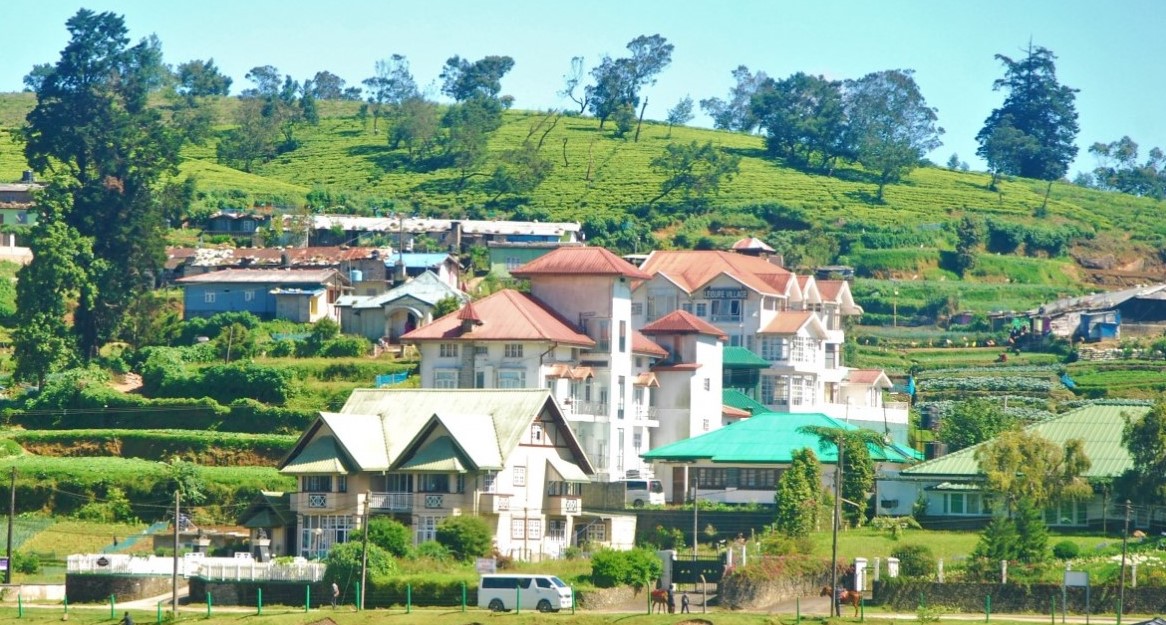
"From taro cultivation in Bogor to village tourism in Banyumas, every village has a story worth telling — and an opportunity worth sharing."
Seven areas of village knowledge
FolderDesa organizes its articles across these interconnected topics, each one grounded in real Indonesian village experience.
What you'll find on FolderDesa
Practical articles written by contributors who understand village life.
Agriculture & Cultivation
Articles on taro (talas bogor), dragon fruit, crystal guava, durian, oyster mushrooms, and tabulampot grapes — plus livestock such as dairy goats and Merino sheep.
Village-Owned Enterprises
Guides on establishing BUMDes, the differences from cooperatives, and why professional phased management matters for village economic growth.
Village Tourism
Coverage of destinations like Desa Karangkemiri in Banyumas, where outbound activities and a swimming pool helped tourism contribute Rp 50 million to village income in 2021.
Culinary Traditions
Indonesian village foods, Sundanese heritage dishes, spiced drinks, infused waters, seafood street-food ideas, and home-industry snack production.
Business Opportunities
From dried wood ear mushrooms and kopyor coconut seedlings to ecoprint crafting, bamboo crafts, and mina padi integrated rice-fish farming.
Village News & Community
Reports on social assistance programs like PKH, village governance structures, and practical tips such as safe homecoming travel during mudik season.
Growing Dragon Fruit on a Small Plot in Indonesia
Dragon fruit, or pitaya, can turn a modest piece of land into a productive farm when its support system, drainage, and pruning routine are planned carefully. The crop suits many parts of Indonesia because it enjoys warmth, sunlight, and a long growing season. It can also provide regular harvests once established.
A small plot does not need expensive equipment. Farmers can begin with a few concrete posts, healthy cuttings, compost, and a clear sales plan. The main challenge is controlling vigorous stems so that the plant spends its energy on flowers and fruit instead of tangled growth.
This handbook explains the practical steps, from selecting planting material to marketing ripe fruit. The same principles apply to home gardens, leased plots, and village enterprises that want to add a high-value crop.
Choose the site and variety
Select open land that receives at least six hours of direct sunlight daily. Dragon fruit tolerates short dry periods, but its roots suffer in standing water. A plot near a road can reduce transport costs, while access to a reliable water source makes flowering and fruit development easier to manage.
Red-fleshed varieties are popular in Indonesian markets because of their color and perceived health value. White-fleshed types may be easier to sell in some local areas, especially when customers value a milder taste. Buy cuttings from a productive, disease-free mother plant rather than collecting unknown material from abandoned gardens.
A healthy cutting should be firm, green, and roughly 40–60 centimeters long. Allow freshly cut material to dry in a shaded, airy place for several days before planting. This healing period helps reduce rot at the cut surface.
Build support and prepare the soil
Dragon fruit is a climbing cactus, so every plant needs a durable support. A common small-farm design uses reinforced concrete posts about 1.8–2 meters above ground, with a strong circular frame at the top. Four cuttings can be planted around one post, although beginners may start with two or three to make maintenance easier.
Leave enough space for sunlight, airflow, and movement between rows. A spacing of approximately 2.5–3 meters between posts works well for many small plots. Use gravel or broken brick around the base if the soil is heavy. Raised planting mounds are useful in low-lying areas where rainwater collects.
Mix mature compost or well-rotted manure into the planting area before putting in the cuttings. The soil should be loose, fertile, and slightly acidic to neutral, with a target pH of about 5.5–7. Avoid fresh manure, which can burn roots and attract pests.
Plant cuttings with a clear training system
Plant the healed cutting 5–10 centimeters deep and press the soil firmly around it. Tie it loosely to the post using soft material. Tight wire or plastic cord can cut into the stem as it expands. Water lightly after planting, then allow the surface to dry before watering again.
Train one or two strong stems upward and remove weak side shoots during the early growth stage. When the main stem reaches the top, encourage it to branch over the circular frame. The aim is to create a neat umbrella of hanging branches, where flowers can be seen and harvested without difficulty.
Weeds compete for moisture and nutrients, especially while the plants are young. Remove them by hand or use a dry organic mulch around the plant, keeping the mulch a short distance from the stem. Mulch should improve soil moisture without making the base permanently wet.
Manage water, nutrients, and pruning
Dragon fruit needs consistent care rather than constant watering. During dry weather, water deeply when the upper soil begins to dry. Reduce irrigation during prolonged rain and check that drainage channels remain open. Excess water can cause root and stem rot faster than moderate drought.
Apply compost several times a year and supplement it with a balanced fertilizer according to soil condition and local agricultural guidance. Too much nitrogen produces long, soft stems with fewer flowers. Potassium and phosphorus are especially important during flowering and fruit formation, but fertilizer should never be placed directly against the stem.
| Growth stage | Main task | Practical warning |
|---|---|---|
| Newly planted cutting | Light watering and support tying | Do not keep the soil waterlogged |
| Vegetative growth | Select strong stems and remove excess shoots | A crowded post becomes difficult to prune |
| Flowering | Maintain even moisture and inspect buds | Avoid heavy nitrogen application |
| Fruit development | Support branches and control weeds | Do not let fruit touch wet soil |
| After harvest | Remove damaged or exhausted branches | Disinfect cutting tools between plants |
Pruning is the key to productivity on a small plot. Remove diseased, broken, or overly tangled branches, and thin the canopy so sunlight reaches the interior. Clean tools with alcohol or a disinfectant before moving to another plant. At night, dragon fruit flowers may need hand pollination, particularly when natural pollinators are limited or when the variety has poor self-pollination.
Prevent pests and common diseases
Inspect the farm at least twice a week. Look beneath branches for ants, scale insects, mealybugs, and other sap-sucking pests. Remove small infestations manually or use an approved treatment according to its label. Avoid spraying open flowers when bees and other pollinators are active.
Brown or soft patches on stems often indicate excessive moisture, injury, or fungal infection. Cut affected tissue well below the damaged area and move the diseased material away from the plot. Improve airflow and drainage before applying any crop protection product. Clean tools after each cut so the problem does not spread.
Birds, rats, and bats may damage ripe fruit. Harvesting promptly, using protective netting, and keeping the area free of fallen fruit can reduce losses. Record the date and location of each problem; simple farm notes help identify patterns linked to rainfall, fertilizer, or poor drainage.
Harvest for quality and better prices
Dragon fruit is usually ready when the skin has developed its full color and the green bracts begin to soften or turn slightly brown. Fruit harvested too early may lack sweetness, while overripe fruit bruises quickly. Use clean pruning shears and leave a short stem attached to reduce handling damage.
Sort fruit by size, color, and surface quality. Sell premium fruit directly to households, restaurants, juice sellers, or local shops. Smaller or marked fruit can be processed into juice, jam, frozen pulp, or fresh desserts. A consistent supply is often more valuable to buyers than a single large harvest.
Farmers can also connect the crop with village-based experiences. A tidy dragon fruit garden may become part of local rural tourism, especially when visitors can learn about planting, taste fresh fruit, or buy produce directly from the grower. This creates an additional income stream without requiring a large plantation.
Practical checklist for a small plot
Before expanding, establish a repeatable routine and calculate the real cost of each post, cutting, fertilizer, water, labor hour, and packaging unit.
- Test drainage after heavy rain and repair low spots before planting more cuttings.
- Mark every post and keep a simple record of planting dates, fertilizer, flowering, and harvest.
- Prune regularly instead of waiting until branches form a dense, unmanageable canopy.
- Arrange likely buyers before the first large harvest, including markets, food businesses, and direct customers.
- Replant only from strong, productive plants and quarantine new cuttings before mixing them with the main crop.
A small dragon fruit plot becomes profitable through discipline rather than sheer size. Strong supports, healthy planting material, careful water management, and clean harvesting can produce dependable results over several seasons. Begin with a manageable number of posts, measure what works, and expand using income and experience from the first planting cycle.

Questions or story ideas from your village?
FolderDesa welcomes readers who want to share village experiences or learn more about the topics covered on the site.
Visit the Contact Page