
FolderDesa brings together practical knowledge on farming, village-owned enterprises, culinary traditions, rural tourism, and small-business ideas — all rooted in the everyday life of Indonesian villages.
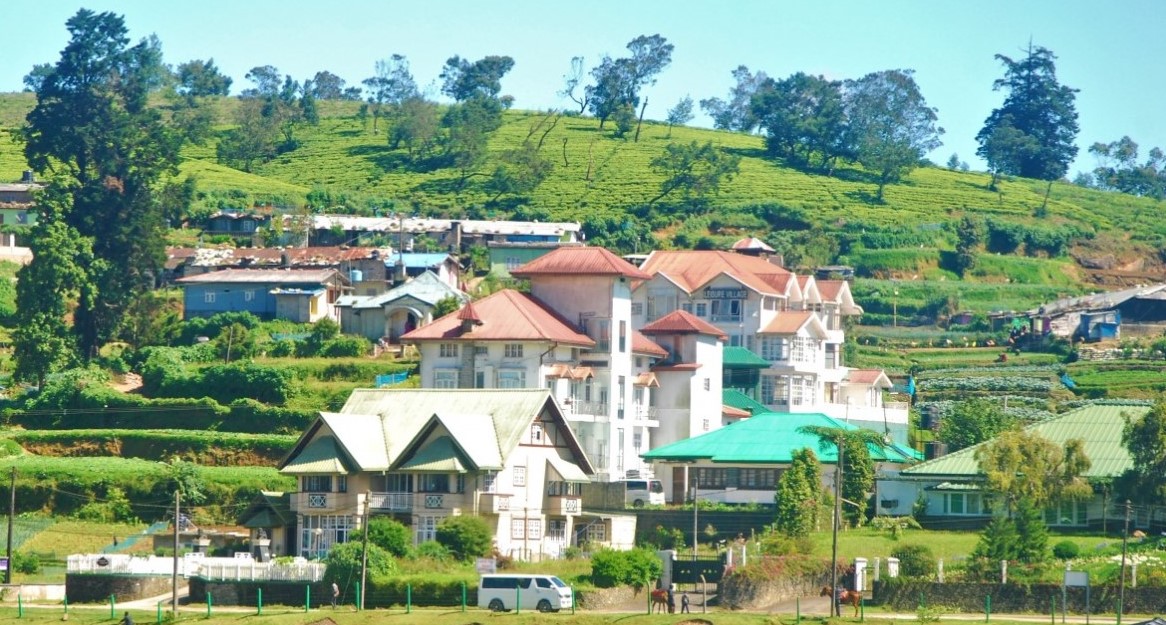
"From taro cultivation in Bogor to village tourism in Banyumas, every village has a story worth telling — and an opportunity worth sharing."
Seven areas of village knowledge
FolderDesa organizes its articles across these interconnected topics, each one grounded in real Indonesian village experience.
What you'll find on FolderDesa
Practical articles written by contributors who understand village life.
Agriculture & Cultivation
Articles on taro (talas bogor), dragon fruit, crystal guava, durian, oyster mushrooms, and tabulampot grapes — plus livestock such as dairy goats and Merino sheep.
Village-Owned Enterprises
Guides on establishing BUMDes, the differences from cooperatives, and why professional phased management matters for village economic growth.
Village Tourism
Coverage of destinations like Desa Karangkemiri in Banyumas, where outbound activities and a swimming pool helped tourism contribute Rp 50 million to village income in 2021.
Culinary Traditions
Indonesian village foods, Sundanese heritage dishes, spiced drinks, infused waters, seafood street-food ideas, and home-industry snack production.
Business Opportunities
From dried wood ear mushrooms and kopyor coconut seedlings to ecoprint crafting, bamboo crafts, and mina padi integrated rice-fish farming.
Village News & Community
Reports on social assistance programs like PKH, village governance structures, and practical tips such as safe homecoming travel during mudik season.
Building a village pondok for farmers’ rest areas
A village pondok can be a simple shelter, but a well-planned one can become the heart of a farming neighbourhood. Built beside a path, road junction or field entrance, it can offer shade, drinking water, seating, tools, phone charging and a place to exchange information. For farmers’ rest areas, the aim is practical comfort rather than an expensive landmark. Learn more about Consumo Electrico Medio De Un Hogar Espanol Y Como Cubrirlo Con Sol.
The model has particular value in Indonesia, where farming journeys often connect fields, markets and village centres. Australian readers can recognise the need from the long drives around Sydney and Melbourne, where regional producers regularly stop for coffee, lunch or a safe place to check a vehicle. A farmer-led pondok can adapt that familiar roadside routine to shared village infrastructure.
| Model | Best use | Core features | Main risk |
|---|---|---|---|
| Open field shelter | Quick rest near cultivated plots | Roof, benches, water and repair kit | Heat, runoff and weak upkeep |
| Multipurpose pondok | All-season village meeting place | Shelter, toilets, storage, power and meeting space | Higher cost and management demands |
| Market-edge pavilion | Rest combined with local trade | Seating, produce stall, price board and waste point | Congestion and commercial pressure |
| Small stop on a farm route | Serving distant field clusters | Shade, shelter, phone signal and simple water | Access disputes and land security |
Planning around the farmers’ day
Begin with the routes farmers use throughout the year. Record where people walk, wait for transport, repair tools, eat lunch or shelter from heavy rain. Different groups may need different things: women carrying produce may value a sheltered loading point, older farmers may need seating close to a road, and hired workers may need somewhere secure for breaks between shifts.
Turn these observations into a short design brief covering capacity, operating hours, water needs, maintenance responsibilities and expected income. Australian country pubs, bakeries and roadside stations show how a familiar rest stop can become a social focal point, but a pondok should remain affordable and controlled by the community rather than depend on commercial sponsorship.
Choosing a safe, convenient site
Choose a site that sits on a customary route without obstructing vehicles or agricultural machinery. Check drainage, flood exposure, sun and wind direction, distance from homes, telephone coverage and access for people with limited mobility. If several parcels are involved, confirm land status and the village government’s authority to construct the facility before drawing the final layout.
Walk the site with farmers, village officials, transport operators and nearby residents. A location that appears convenient on a map may require a dangerous crossing or become unusable during the rainy season. Keeping decisions visible is just as important as drawing the shelter; this village documentation guide can help teams record photographs, oral histories and agreed maintenance roles.
Designing for shade, rain and access
A pondok should work with the local climate rather than imitate a generic pavilion. Deep roof overhangs, high vents and light-coloured surfaces can reduce heat, while robust posts and locally familiar materials will make repairs easier. Provide benches with backs and armrests, a dry waiting area, hooks for tools, secure storage and lighting that does not create glare for drivers.
Access should be planned from the entrance through to water and toilets. Australian public-space guidance associated with the Disability Discrimination Act 1992 offers a useful reference for step-free routes, firm surfaces and readable signs, although Indonesian projects must follow their own regulations. Likewise, Australian building codes can inform safety planning, but local climate conditions and construction skills should determine the actual design.
Providing water, power and useful services
Clean drinking water is the priority. Test the source regularly, provide separate handwashing facilities and design toilets or septic systems so waste cannot contaminate nearby fields and waterways. Containers should be covered to prevent insects and leaves entering the supply. Rainwater harvesting can supplement non-potable needs such as cleaning, provided the system includes filtration and a safe overflow route.
Power demand should be modest and clearly calculated. Refrigeration for medicines, phone charging, lighting and a small water pump may be enough, while unnecessary equipment can make the system expensive to maintain. Although written for Spanish homes, a solar electricity guide explains how to estimate average electricity use and match generation to demand. Budget for replacement batteries, inverter servicing and a trained local operator.
Running the pondok as a village enterprise
Management arrangements should be settled before construction. A BUMDes, farmer cooperative or village committee may hold the asset, publish usage fees and organise cleaning, repairs and security. Small revenues might come from event hire, vending, produce-stall fees or community events, but the primary purpose is farmer welfare. Fees should not exclude small producers or prevent emergency use.
The surrounding economy can strengthen the facility. Sydney farmers’ markets and Melbourne community halls demonstrate how shared commercial space can support local producers, while Australian buyers often expect card, QR and cash payment options. A pondok can provide a modest stall for vegetables, eggs or prepared food, with clear rules for hygiene, pricing and waste. State food-safety requirements and workplace health and safety laws offer useful comparisons, but village leaders must align all activities with Indonesian rules.
Building it in phases that villagers can own
A small pilot can test the location before the full project is built. Use local timber, masonry or bamboo where appropriate, add basic water and seating first, and let usage data guide later investment. Review the site after wet and dry seasons, recording repairs, visitor numbers, revenue and complaints. Expansion then follows demonstrated needs instead of assumptions made during an initial meeting.
Ownership also requires a handover package containing the floor plan, bill of materials, maintenance schedule, supplier contacts, water-test results and financial records. Responsibility for opening, cleaning, fees and minor repairs should be assigned to named people or groups. A successful pondok is judged by a simple test: farmers can reach it safely, rest comfortably, and find it clean, open and financially sustainable throughout the year.

Questions or story ideas from your village?
FolderDesa welcomes readers who want to share village experiences or learn more about the topics covered on the site.
Visit the Contact Page