
FolderDesa brings together practical knowledge on farming, village-owned enterprises, culinary traditions, rural tourism, and small-business ideas — all rooted in the everyday life of Indonesian villages.
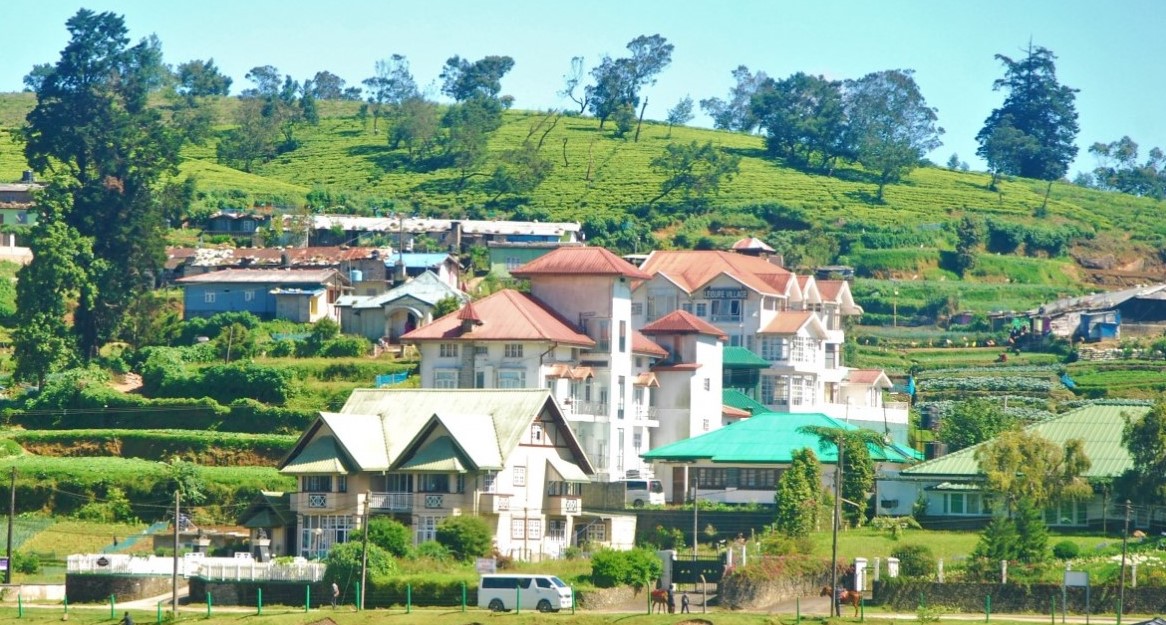
"From taro cultivation in Bogor to village tourism in Banyumas, every village has a story worth telling — and an opportunity worth sharing."
Seven areas of village knowledge
FolderDesa organizes its articles across these interconnected topics, each one grounded in real Indonesian village experience.
What you'll find on FolderDesa
Practical articles written by contributors who understand village life.
Agriculture & Cultivation
Articles on taro (talas bogor), dragon fruit, crystal guava, durian, oyster mushrooms, and tabulampot grapes — plus livestock such as dairy goats and Merino sheep.
Village-Owned Enterprises
Guides on establishing BUMDes, the differences from cooperatives, and why professional phased management matters for village economic growth.
Village Tourism
Coverage of destinations like Desa Karangkemiri in Banyumas, where outbound activities and a swimming pool helped tourism contribute Rp 50 million to village income in 2021.
Culinary Traditions
Indonesian village foods, Sundanese heritage dishes, spiced drinks, infused waters, seafood street-food ideas, and home-industry snack production.
Business Opportunities
From dried wood ear mushrooms and kopyor coconut seedlings to ecoprint crafting, bamboo crafts, and mina padi integrated rice-fish farming.
Village News & Community
Reports on social assistance programs like PKH, village governance structures, and practical tips such as safe homecoming travel during mudik season.
Building a Village Drying Rack for Cassava Fish and Fruits
Morning mist clings to the rice paddies when Ibu Siti walks to her timber-frame rack at the village edge. She has spent decades slicing cassava, threading fish, and laying mangoes on raised mesh trays, letting the tropical sun and breeze do what refrigerators cannot. For thousands of smallholders across Java, Sumatra, Sulawesi, and Nusa Tenggara, a drying rack is the heart of post-harvest life, turning perishable food into storable, tradable goods.
Australians from Cairns to Melbourne might be surprised how familiar the climate challenges are. North Queensland and the Top End share humidity patterns with much of eastern Indonesia, which is why researchers in Townsville and Darwin have studied these low-cost methods. A simple timber rack with raised legs and a tilted roof is as relevant to a Pacific community in the Torres Strait as to a village in Flores.
Before any nails are hammered, it helps to know what the rack must do. It needs to lift produce off the ground away from chickens, dogs, and rats. It needs a sloped cover to shed sudden tropical downpours. It needs wide mesh spacing for chunky cassava and tighter mesh for thin fruit slices. It needs to be cheap enough for a village cooperative to afford, using materials that the local hardware store, timber yard, or nearby forest can provide.
Picking materials that stand up to salt and sun
Bamboo is the classic first choice, light, fast-growing, and easy to split with a bush knife. Treated hardwood, especially teak offcuts or locally milled mahoni, lasts longer but costs more. For the trays, plastic flywire from any Bunnings-style hardware outlet works well, though galvanised chicken mesh handles heavier fish fillets without sagging. Stainless or brass screws resist rust in coastal villages where salt air would eat plain steel in a season. Offcuts of corrugated zincalume roofing, the same material you see on sheds from Broome to Ballarat, make a near-perfect rain cover.
Getting the frame geometry right
The trick is airflow. A rack that is too low traps humidity, and a rack with solid walls blocks the breeze that does the real drying. A raised platform about one metre off the ground lets air move underneath. A pitched roof at twenty to thirty degrees sheds rain without pooling. Open sides, ideally with hinged mesh panels, allow the wind to sweep through while keeping flies off the produce. Cross-bracing on the legs stops the whole thing wobbling when fully loaded with wet fish, the same fix used on cattle yards in the Kimberley.
Putting the rack together step by step
Set four corner posts in the ground, either buried half a metre deep and packed with stones, or set on concrete stubs if the soil is sandy. Bolt or lash the horizontal rails between the posts at three levels: a low one for trays of sliced cassava, a middle one for whole fish, and a top shelf for fruit pieces. Mesh trays sit on removable wooden frames for easy cleaning. Cap the structure with roofing sheets, leaving a generous overhang so driving rain cannot reach the trays. A coat of food-safe oil extends the timber's life, and a gentle tilt at the back drains stray water.
Drying cassava for chips, flour and feed
Cassava is the workhorse crop across much of Indonesia, and a rack is what turns the bulky root into a stable commodity. Peel and slice the tubers into rounds or strips about five millimetres thick. A brief dip in salt water speeds up moisture loss and reduces bitter compounds. Spread the slices in a single layer on the lower trays, turning them once during the day. Two to three days of strong sun and breeze bring the moisture content down to a level safe for storage. The dried chips can be pounded into flour, fried into snacks, or sold to local feed mills. Indonesian shops in Sydney and Melbourne stock cassava crackers, proving a humble village rack can reach tables in Cabramatta or Footscray.
Drying fish the smarter coastal way
Along Java's south coast and the eastern islands, fish drying is a centuries-old trade. Anchovies, sardines, and mackerel are best. Gut, scale, and split the fish open, then salt them lightly for a few hours to draw out water. Lay them skin-side down on the middle mesh tray, head to tail, with a small gap between each fish so air circulates. The rack keeps them above sand and flies. For villages that also grow crops, a rainwater catchment built above the rack can double as a roof, and a guide to a basic rainwater setup fits neatly with the drying frame. The finished product, often called ikan asin, lasts for months and travels well to highland markets.
Turning fruit into shelf-stable treats
Banana, jackfruit, mango, and papaya all dry beautifully on the top shelf, where the air is hottest. Slice the fruit thinly, dip mango in a little lemon juice to stop browning, and lay the pieces in a single layer. Bananas can be left whole or halved lengthwise. Three to four days of good weather bring them to a leathery, chewy texture. Pack the dried fruit in clean jars or sealed plastic bags once it has cooled. Many cooperatives use the same rack for cassava in the morning and fruit leather by the arvo, a flexible use that suits school feeding programs and roadside stalls.
| Produce | Slice or Prep | Mesh Size | Sun Drying Time | Best Use |
|---|---|---|---|---|
| Cassava | 5 mm slices | 10 mm | 2 to 3 days | Chips, flour, feed |
| Small fish | Gutted, split, salted | 15 mm | 2 to 4 days | Ikan asin, snacks |
| Banana | Halved lengthwise | 8 mm | 3 to 4 days | Sweet snack, cake ingredient |
| Mango | 5 mm slices, lemon dip | 8 mm | 3 to 4 days | Fruit leather, trail mix |
| Jackfruit | Thin wedges, seed removed | 10 mm | 3 to 5 days | Dried fruit, confectionery |
Care, maintenance, and practical pointers
Salt, sun, and constant loading take a toll. Tighten the lashings each month, sand back any rough timber, and check the mesh for tears where mice might enter. Re-oil the frame at the end of each dry season. If the rack starts to lean, brace it before the next wet season arrives, and the structure should give five years or more of service. Some village youth groups adapt the same carpentry skills to build outdoor recreation spaces for the community, a neat way to keep young people involved in village life.
A few simple habits stretch the life of any village rack:
- Build on a flat, well-drained site away from kitchen smoke and the chook pen.
- Use galvanised or stainless fasteners in coastal villages to slow rust.
- Keep trays removable so they can be scrubbed and sunned between batches.
- Start with one or two trays and add shelves once the first design proves its worth.
- Train two people to manage the rack so the work does not fall on one pair of shoulders.
A drying rack is a low-cost insurance policy against hunger, price crashes, and spoilage. For village families, that means food on the table through the long rains. For visiting Australians, it is a reminder that the smartest rural technology is often the kind that fits in a paddock, costs little, and lasts for seasons.

Questions or story ideas from your village?
FolderDesa welcomes readers who want to share village experiences or learn more about the topics covered on the site.
Visit the Contact Page