
FolderDesa brings together practical knowledge on farming, village-owned enterprises, culinary traditions, rural tourism, and small-business ideas — all rooted in the everyday life of Indonesian villages.
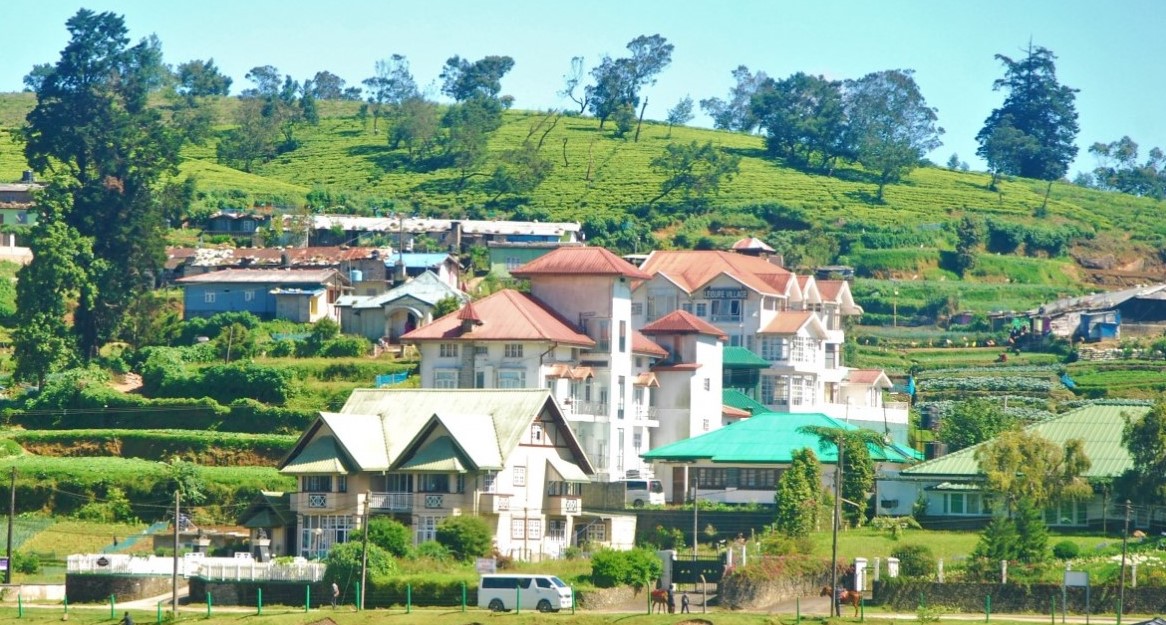
"From taro cultivation in Bogor to village tourism in Banyumas, every village has a story worth telling — and an opportunity worth sharing."
Seven areas of village knowledge
FolderDesa organizes its articles across these interconnected topics, each one grounded in real Indonesian village experience.
What you'll find on FolderDesa
Practical articles written by contributors who understand village life.
Agriculture & Cultivation
Articles on taro (talas bogor), dragon fruit, crystal guava, durian, oyster mushrooms, and tabulampot grapes — plus livestock such as dairy goats and Merino sheep.
Village-Owned Enterprises
Guides on establishing BUMDes, the differences from cooperatives, and why professional phased management matters for village economic growth.
Village Tourism
Coverage of destinations like Desa Karangkemiri in Banyumas, where outbound activities and a swimming pool helped tourism contribute Rp 50 million to village income in 2021.
Culinary Traditions
Indonesian village foods, Sundanese heritage dishes, spiced drinks, infused waters, seafood street-food ideas, and home-industry snack production.
Business Opportunities
From dried wood ear mushrooms and kopyor coconut seedlings to ecoprint crafting, bamboo crafts, and mina padi integrated rice-fish farming.
Village News & Community
Reports on social assistance programs like PKH, village governance structures, and practical tips such as safe homecoming travel during mudik season.
Building a village communal rice storage barn that lasts for generations
Across the Indonesian archipelago, the communal rice barn, known locally as lumbung, has long stood as more than a shed for grain. In villages from West Sumatra to Flores, these raised timber structures hold a shared promise: no family goes hungry between harvests, surplus can be lent to neighbours, and a community's wealth is measured in sheaves of rice kept safe from rain, rats and time.
Australian readers will recognise the pattern. The rice paddies around Leeton and Griffith in the Riverina feed a national industry built on shared infrastructure, and the country towns there still host working bees and field days that echo the gotong royong spirit of rural Java. Studying how a village designs, finances and maintains its lumbung carries lessons in cooperative resilience that travel easily from the Murrumbidgee to a Balinese subak.
Understanding the role of the lumbung in village life
The barn is woven into village life long before the first timber is cut. Elders decide together how much rice each household contributes after harvest, who manages the keys during lean months, and what portion can be released as a loan.
The structure absorbs post-harvest losses that would otherwise punish individual farmers. By drying paddy collectively, weighing it on a shared scale and storing it on raised platforms, villages reduce mould, rodent damage and theft. Many Australians will recognise the pattern from CWA lending schemes run during droughts.
Choosing the right location and materials
Site selection matters as much as the barn itself. A lumbung should sit on a slight rise with compacted earth beneath, away from waterways that swell in the wet season, but close enough to the village centre that elders can reach it carrying heavy baskets. A north-facing door keeps prevailing winds from driving rain inside.
Materials should balance availability with durability. Coastal communities favour split bamboo, hard teak and ironwood for termite resistance, while highland Papuan villages lean on pine and thatch. A modern hybrid uses a concrete pad, steel roof frame and woven bamboo walls. Treated bearers and a metal roof pay for themselves within a few harvest cycles by reducing spoilage.
Design principles for climate resilience
A well-built lumbung treats ventilation, elevation and drainage as inseparable friends. Raising the floor one metre above ground allows air to pass beneath stored grain and discourages rats. Louvered walls let humid air escape during the monsoon, while a generous overhang shelters the entrance.
Visitors from Australia will spot parallels with sealed silos in the Riverina. Towering metal bins there rely on aeration fans rather than passive breezes, but the goal is identical: keep moisture moving so grain stays cool. A bamboo building must breathe, and sealing it too tightly with cement or plastic does more harm than good.
Community labour and shared ownership
Construction itself becomes a village classroom. Carpenters handle the heavy framing, but cutting, hauling and finishing fall to communal labour, with families contributing days in proportion to their share of stored rice. This gotong royong approach binds the barn to its members.
Ownership is usually registered with the village cooperative or a village-owned enterprise known as a BUMDes, which keeps a written ledger of contributions and withdrawals. Disputes are mediated by customary councils alongside village officials, a process that resembles the heated weighbridge arguments that occasionally flare up at Australian field days like Henty or AgQuip.
Linking the barn to local enterprise
A lumbung gains long-term strength when it is plugged into local commerce. Some villages mill a portion of stored paddy into branded rice sold at the nearest market, others lend grain to women running small noodle or snack businesses during the dry season. The BUMDes reinvests a share of profits into roof repairs and seed loans.
Cross-promotion with local village culinary traditions helps move premium rice off the shelf faster, because buyers want to know which terrace their packet came from. A few villages now export small parcels to Indonesian restaurants in Sydney and Melbourne, where diaspora customers willingly pay more for named-village heritage rice.
Maintenance, pest management and food safety
Once rice is inside, the barn's second life begins. Weekly inspections focus on roof leaks, wall cracks and the droppings of rats or weevils. Traditional remedies such as neem leaves, dried chilli strings and eucalyptus bark still line the storage platforms because their oils discourage insects without contaminating grain.
Modern additions like hermetic plastic cocoons or solar-powered dryers slot into the existing structure without changing its character. A simple ledger recording moisture, pests and withdrawals lets the cooperative spot patterns and earn better prices from buyers wanting traceability. Pairing these steps with a side venture in cultivating traditional medicine plants gives families a second income that cushions them during poor harvests.
Scaling the model for modern cooperatives
Villages that treat the lumbung as a prototype rather than a relic can adapt its principles to new challenges. Some have added charcoal filtration to improve indoor air, others have built satellite mini-barns in neighbouring hamlets so farmers no longer ferry grain for hours. When a bank sees that the cooperative repays punctually because the granary reduces panic selling, credit becomes easier to access.
The model travels surprisingly well. A small growers' association near Mildura could borrow the logic, pooling a communal citrus or almond shed, sharing the risk of a glut year and the rewards of a short one. The exact crops differ, but the rhythm of shared storage and seasonal lending remains as relevant on the Murray as on the slopes of Java.
| Feature | Traditional lumbung | Modern hybrid lumbung | Sealed silo (Australian example) |
|---|---|---|---|
| Main materials | Bamboo, teak, thatch | Concrete pad, steel frame, bamboo walls | Galvanised steel |
| Ventilation | Passive, louvered walls | Passive plus solar vents | Aeration fans |
| Pest control | Neem, chilli, cats | Botanicals plus hermetic liners | Fumigation, sealed lids |
| Ownership | Village cooperative | Village-owned enterprise (BUMDes) | Private farmer or co-op |
| Best suited to | Small villages, humid tropics | Mid-size villages, mixed climates | Large-scale commercial farms |
A practical checklist for villages planning a new communal barn
- Map the catchment area before drawing a single line, so the barn sits within walking distance of the households that will use it most.
- Raise the floor at least one metre and grade the ground so water drains away quickly after heavy rain.
- Choose wall systems that breathe, then add hermetic liners only where short-term seed storage demands them.
- Register ownership with a village-owned enterprise, even if the barn is modest, so banks see a clear legal counterparty.
- Hold a monthly inspection day combining pest checks, ledger audits and small repairs so the workload never piles up.
- Tie the barn to a downstream use such as branded rice, snacks or a seed library to keep maintenance funds flowing.
- Document moisture, weight and withdrawals from day one, building a record that earns better prices over time.
What stays with the reader after the last page is this: a lumbung is less a building than a shared habit of planning together. When a village agrees on the site, the rules and the harvest contributions, the structure itself can be as simple as four poles and a thatch roof and still outlast generations of concrete monuments built without that agreement. The grain keeps because the people kept their word first.

Questions or story ideas from your village?
FolderDesa welcomes readers who want to share village experiences or learn more about the topics covered on the site.
Visit the Contact Page