
FolderDesa brings together practical knowledge on farming, village-owned enterprises, culinary traditions, rural tourism, and small-business ideas — all rooted in the everyday life of Indonesian villages.
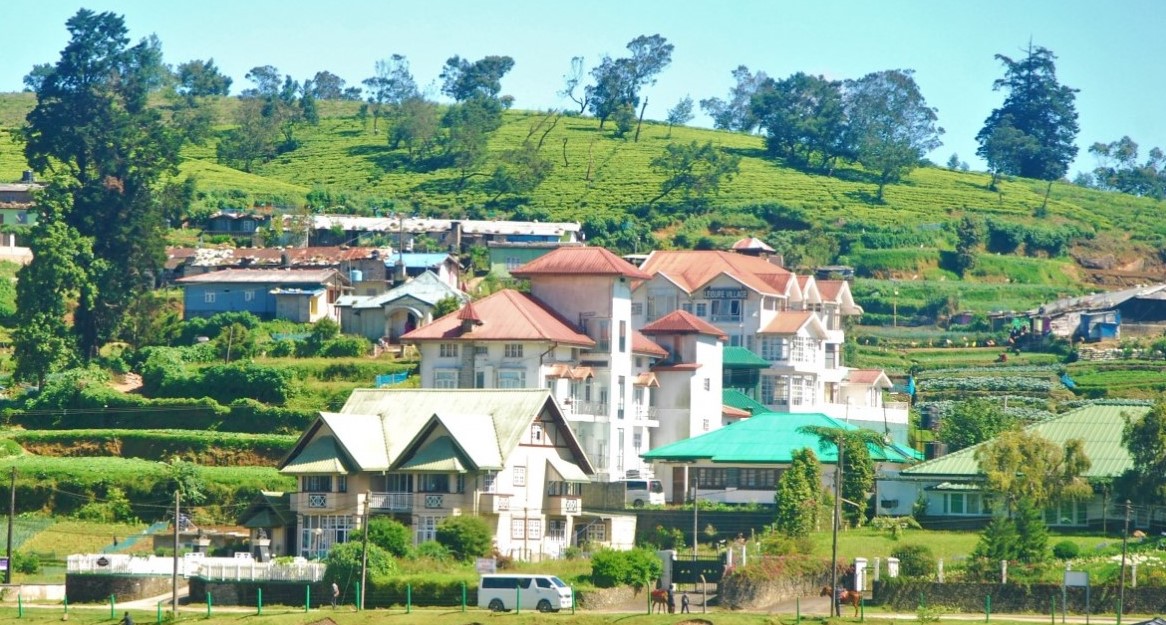
"From taro cultivation in Bogor to village tourism in Banyumas, every village has a story worth telling — and an opportunity worth sharing."
Seven areas of village knowledge
FolderDesa organizes its articles across these interconnected topics, each one grounded in real Indonesian village experience.
What you'll find on FolderDesa
Practical articles written by contributors who understand village life.
Agriculture & Cultivation
Articles on taro (talas bogor), dragon fruit, crystal guava, durian, oyster mushrooms, and tabulampot grapes — plus livestock such as dairy goats and Merino sheep.
Village-Owned Enterprises
Guides on establishing BUMDes, the differences from cooperatives, and why professional phased management matters for village economic growth.
Village Tourism
Coverage of destinations like Desa Karangkemiri in Banyumas, where outbound activities and a swimming pool helped tourism contribute Rp 50 million to village income in 2021.
Culinary Traditions
Indonesian village foods, Sundanese heritage dishes, spiced drinks, infused waters, seafood street-food ideas, and home-industry snack production.
Business Opportunities
From dried wood ear mushrooms and kopyor coconut seedlings to ecoprint crafting, bamboo crafts, and mina padi integrated rice-fish farming.
Village News & Community
Reports on social assistance programs like PKH, village governance structures, and practical tips such as safe homecoming travel during mudik season.
Traditional medicine plants in rural Indonesian life
Across rural Indonesia, medicinal plants are part of household knowledge, kitchen gardens, and community traditions. Leaves, roots, rhizomes, bark, and seeds may be prepared as herbal drinks, compresses, baths, or cooking ingredients. This knowledge is often passed from grandparents to younger family members through daily practice rather than formal instruction.
A small plot beside a house can supply ginger, turmeric, galangal, lemongrass, betel leaves, and aloe vera. These crops require modest space and can support family health routines while creating opportunities for plant nurseries, herbal products, and village enterprises. Readers exploring wider stories about village livelihoods can find them at the rural Indonesia magazine.
Cultivation should be based on careful identification, clean growing conditions, and responsible use. Traditional remedies can support comfort for minor complaints, but they do not replace professional diagnosis or prescribed treatment. Pregnant women, children, older adults, and people taking regular medicine need additional caution.
Plants commonly grown around village homes
Turmeric is valued for its bright rhizome and is used in cooking, herbal beverages, and traditional preparations. Ginger is commonly planted near kitchens because its underground stem can be harvested as needed. Galangal contributes flavor to soups and spice pastes, while lemongrass is useful for both food and aromatic drinks.
Betel leaf, aloe vera, moringa, and sambiloto are also familiar in many Indonesian communities, although local names and uses vary. Moringa leaves are often added to meals, while aloe vera gel is traditionally applied to the skin. Because plant varieties can look similar, growers should confirm identity with experienced farmers, local health workers, or agricultural extension officers.
A mixed medicinal garden can be more useful than a single-crop bed. Combining plants with different heights and harvest periods supports household access throughout the year and reduces the risk of losing the entire crop to pests or dry weather.
Simple cultivation methods for small plots
Most herbal plants grow well in loose soil enriched with compost. Ginger, turmeric, and galangal need rhizomes planted in a shallow bed with good drainage. Waterlogged soil can cause rot, so raised beds or containers are helpful in areas with heavy rainfall. Mulch made from dry leaves helps maintain moisture and suppress weeds.
Lemongrass can be propagated from healthy stalks, while moringa is commonly grown from seeds or cuttings. Planting should follow local rainfall patterns so that young crops receive regular moisture without depending entirely on irrigation. Farmers can use discarded sacks, bamboo containers, or unused corners of a yard to create low-cost planting areas.
Chemical pesticides should be used sparingly around plants intended for household remedies. Hand removal of pests, clean planting material, crop rotation, and natural barriers can reduce contamination risks. Harvesting tools should be washed, and damaged or moldy plant parts should be discarded rather than mixed with healthy material.
Harvesting and preparing herbs safely
The useful part of a plant determines the best harvesting method. Leaves are generally picked when fresh, rhizomes are lifted after sufficient growth, and seeds are collected once mature. Harvesting too early can reduce quality, while leaving plants unmanaged may weaken future growth. Families can keep simple records of planting dates, harvest quantities, and preparation methods.
Fresh materials should be cleaned with safe water and processed in a clean area. Some herbs are used immediately, while others are sliced and dried in a well-ventilated place away from direct contamination. Properly dried ingredients should be stored in sealed, labeled containers with the plant name and date of preparation.
Traditional use does not automatically mean risk-free use. Strong concentrations, repeated consumption, or mixtures of many plants can cause unwanted effects. Herbal preparations should be avoided when the plant cannot be identified with confidence, and anyone experiencing worsening symptoms should seek medical care promptly.
Household uses and local food traditions
Medicinal plants often overlap with culinary ingredients. Ginger tea may be served for warmth, turmeric can be included in rice or soup, and lemongrass can add fragrance to drinks and savory dishes. This connection makes household herbal knowledge easier to preserve because it remains part of regular cooking instead of becoming an isolated practice.
Village groups can document recipes, planting calendars, and preparation techniques through community workshops. A project such as a village cookbook project can include notes about ingredient sources, seasonal availability, and the cultural meaning of each preparation.
Documentation should respect local ownership of knowledge. Elders and practitioners deserve recognition, and sensitive information should not be published without permission. Clear records can help younger residents learn while preventing inaccurate claims from spreading through informal sales or social media.
| Plant | Common rural use | Growing note | Important caution |
|---|---|---|---|
| Ginger | Warm drinks and cooking | Prefers loose, moist soil | May interact with some medicines |
| Turmeric | Spice, herbal beverages, food coloring | Harvest rhizomes after mature growth | High supplemental doses need care |
| Lemongrass | Tea, soups, and aroma | Propagates easily from stalks | Concentrated preparations may irritate |
| Moringa | Vegetable and nutrition-rich leaves | Tolerates heat once established | Use reputable guidance for medicinal doses |
| Aloe vera | Skin applications and household care | Needs drainage and moderate watering | Do not assume all parts are safe to consume |
Economic opportunities for village enterprises
Medicinal plant cultivation can support BUMDes and farmer groups when production is organized. Nurseries may sell seedlings, while households can supply cleaned dried herbs, spice blends, or fresh bundles to local markets. Products should have clear labels, hygienic packaging, harvest dates, and realistic descriptions that avoid promising cures.
Small-scale processing also creates work for growers, collectors, dryers, packers, and local designers. Training in bookkeeping and quality control is as important as training in cultivation. A cooperative purchasing system can reduce the cost of seed, compost, drying racks, and packaging while giving producers stronger bargaining power.
Before selling herbal products, village groups should check applicable Indonesian food, health, and business regulations. Claims about treating disease can create legal and ethical problems. It is safer to describe ingredients, traditional uses, preparation instructions, and safety warnings accurately.
Building a responsible community garden
A shared medicinal garden can serve as a learning space beside a village hall, school, health post, or tourist destination. Plant labels in Indonesian and local languages help visitors understand the garden, while demonstration beds can show composting, propagation, and rainwater management. Schools may use the garden for lessons about biodiversity, nutrition, and cultural heritage.
Community management works best when responsibilities are clear. One group can maintain the beds, another can record harvests, and local health or agricultural workers can help review educational materials. Regular meetings allow residents to decide which plants are appropriate for public use and which require specialist advice.
Practical priorities for starting a village herbal garden include:
- Select plants that are locally adapted and already familiar to residents.
- Confirm plant identity and document traditional uses with knowledgeable community members.
- Use compost, clean water, and separate tools for healthy harvesting.
- Create simple labels with preparation guidance and safety warnings.
- Connect cultivation with BUMDes, schools, health posts, or local tourism programs.
When managed carefully, traditional medicinal plants can strengthen household resilience, preserve cultural knowledge, and diversify rural income. Begin with a modest garden, record what works in the local soil and climate, and share reliable knowledge through community activities and responsible village enterprises.

Questions or story ideas from your village?
FolderDesa welcomes readers who want to share village experiences or learn more about the topics covered on the site.
Visit the Contact Page