
FolderDesa brings together practical knowledge on farming, village-owned enterprises, culinary traditions, rural tourism, and small-business ideas — all rooted in the everyday life of Indonesian villages.
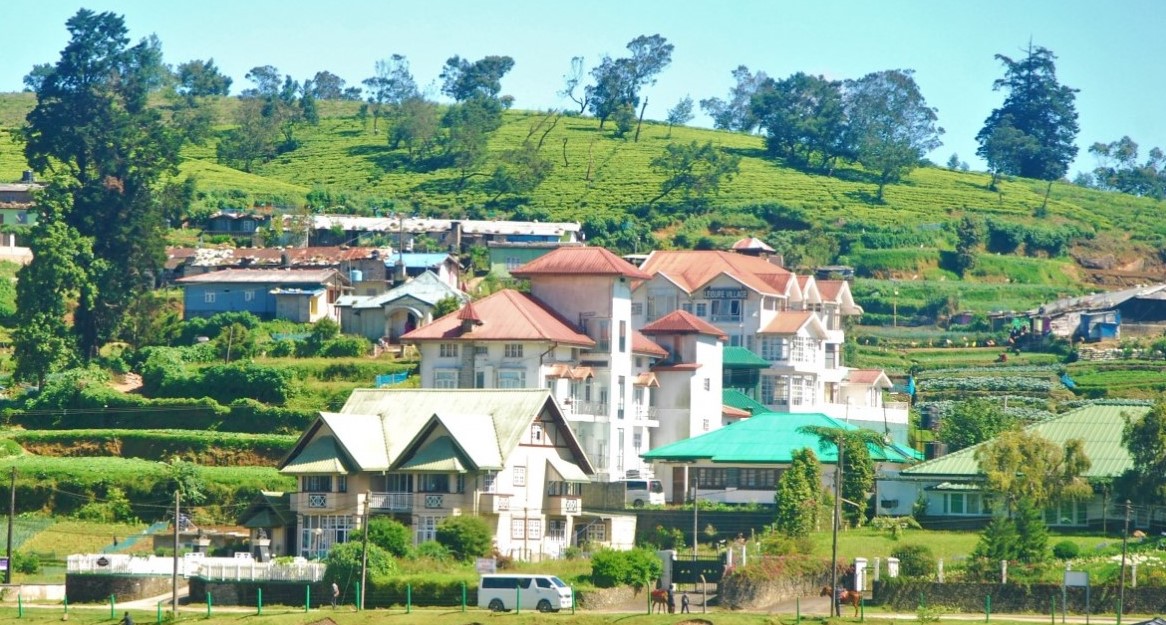
"From taro cultivation in Bogor to village tourism in Banyumas, every village has a story worth telling — and an opportunity worth sharing."
Seven areas of village knowledge
FolderDesa organizes its articles across these interconnected topics, each one grounded in real Indonesian village experience.
What you'll find on FolderDesa
Practical articles written by contributors who understand village life.
Agriculture & Cultivation
Articles on taro (talas bogor), dragon fruit, crystal guava, durian, oyster mushrooms, and tabulampot grapes — plus livestock such as dairy goats and Merino sheep.
Village-Owned Enterprises
Guides on establishing BUMDes, the differences from cooperatives, and why professional phased management matters for village economic growth.
Village Tourism
Coverage of destinations like Desa Karangkemiri in Banyumas, where outbound activities and a swimming pool helped tourism contribute Rp 50 million to village income in 2021.
Culinary Traditions
Indonesian village foods, Sundanese heritage dishes, spiced drinks, infused waters, seafood street-food ideas, and home-industry snack production.
Business Opportunities
From dried wood ear mushrooms and kopyor coconut seedlings to ecoprint crafting, bamboo crafts, and mina padi integrated rice-fish farming.
Village News & Community
Reports on social assistance programs like PKH, village governance structures, and practical tips such as safe homecoming travel during mudik season.
What village officials need to know about the 2025 village fund allocation
The 2025 Village Fund allocation gives village governments an important opportunity to improve basic services, strengthen local economies, and protect vulnerable households. It also brings serious responsibilities: every rupiah must be planned, documented, spent according to national and local rules, and reported openly to residents.
For village heads, secretaries, treasurers, and members of the Village Consultative Body, understanding the allocation is more useful than simply knowing the total amount received. The key questions are how the money is calculated, which activities receive priority, what documents are required, and how residents can monitor implementation.
The national allocation for Village Funds in the 2025 state budget is approximately Rp71 trillion. The amount received by each village differs because the government applies a formula that considers factors such as population, poverty, area, geographic difficulty, and village performance.
Understand the allocation before preparing the budget
Village Funds are part of Indonesia’s intergovernmental fiscal transfer system. The national government allocates the funds, while villages plan and implement activities through the village budget, known as APBDes. The transfer is not a general-purpose cash balance that can be used without restrictions.
The allocation commonly consists of formula-based funding, basic allocations, affirmative support for certain villages, and performance-related components. Village officials should check the official allocation decision and the latest Ministry of Finance regulation rather than relying on figures from previous years or informal estimates.
A village should also compare the 2025 allocation with its projected locally generated revenue, district transfers, and other funding sources. This prevents activities from being budgeted twice and helps officials identify which programs require additional financing.
Match spending with village priorities
The 2025 focus for Village Fund use is guided by national regulations and translated into local priorities through village deliberation. Common areas include poverty reduction, food security, stunting prevention, basic health services, village economic development, climate resilience, and support for village-owned enterprises.
Priority spending must still reflect actual conditions. A farming village may need irrigation maintenance, seed support, post-harvest facilities, or market access, while a coastal village may give greater attention to fishing infrastructure, cold storage, and disaster preparedness. Spending should follow documented needs rather than popular but weakly justified projects.
The Village Government should ensure that proposed activities are connected to the RPJMDes and RKPDes. When a new urgent activity is needed, the reason for changing the work plan should be recorded through the proper deliberation and budget amendment process.
Build a defensible APBDes
A reliable APBDes begins with realistic cost estimates. Officials should collect supporting information such as technical designs, volume calculations, local price surveys, beneficiary data, and implementation schedules. Inflated estimates create audit risks and reduce the number of residents who can benefit.
The village secretary and treasurer should coordinate closely with activity implementation teams. Each program needs a clear output, responsible person, timeline, procurement method, and reporting requirement. For example, a food security program should state whether it will fund communal gardens, livestock, seed banks, farmer groups, or another measurable activity.
The following overview can help officials connect major responsibilities with practical documents:
| Management area | What officials should verify | Useful evidence |
|---|---|---|
| Allocation | Official amount and funding category | Allocation decision and transfer records |
| Planning | Link with village development priorities | RPJMDes, RKPDes, and Musdes minutes |
| Budgeting | Reasonable prices and clear outputs | RAB, technical designs, and price surveys |
| Implementation | Beneficiaries, contractors, and work progress | Agreements, attendance lists, photos, and progress reports |
| Reporting | Spending matches approved activities | Receipts, tax records, bank statements, and accountability reports |
| Transparency | Residents can access key information | Information board, website, and public meeting records |
Prepare for staged disbursement
Village Fund disbursement is generally carried out in stages, subject to the applicable 2025 rules and completion of administrative requirements. A village may not receive the entire allocation at the beginning of the year. Delays can occur when the APBDes, accountability report, village regulation, or other required documents are incomplete.
Officials should create a disbursement calendar linked to the implementation schedule. Priority activities that depend on early funding should be ready before the first transfer arrives, while later-stage programs should have procurement and reporting plans prepared in advance.
Treasurers must reconcile the village bank account regularly. Every payment should have a valid basis, and cash withdrawals should be limited to necessary operational purposes. Tax obligations, honoraria, wages, and procurement records deserve particular attention because they are common areas of administrative error.
Protect vulnerable residents and public trust
If Village Funds support direct cash assistance or poverty programs, beneficiary selection must be based on verified and current data. Village officials should coordinate with local cadres, neighborhood units, and social service authorities while providing a process for residents to report incorrect data.
Programs addressing stunting, food security, and rural employment should measure results rather than simply record spending. Useful indicators might include the number of households receiving productive support, the area of land cultivated, children receiving regular health services, or workers employed through village activities.
Transparency is a legal responsibility and a practical safeguard. Publish the APBDes, changes to the budget, project information, and realization reports on an information board or another accessible channel. Clear communication can reduce rumors and gives residents an opportunity to identify problems early.
Strengthen oversight and reporting
The Village Consultative Body should review plans and monitor implementation without taking over the executive role of the village government. Community groups, beneficiaries, and local facilitators can also provide valuable checks on project quality and fairness.
Officials should keep both physical and digital records. Important files include meeting minutes, attendance lists, procurement documents, contracts, invoices, tax payment evidence, photographs, bank statements, and completion reports. Files should be organized by activity and retained according to applicable recordkeeping requirements.
Before submitting a report, conduct an internal review. Compare the approved budget with actual expenditure, confirm that outputs exist in the field, check that taxes have been handled, and resolve differences between financial and activity reports. For clarification on publication requirements or editorial coverage of village governance, officials can use FolderDesa’s contact page.
Practical checks for village officials
A short internal checklist can help the village team stay focused during the 2025 budget cycle:
- Confirm the official Village Fund allocation and each category of funding.
- Align every activity with the RPJMDes, RKPDes, Musdes decisions, and APBDes.
- Verify beneficiary data before distributing assistance or productive support.
- Prepare technical designs, cost estimates, procurement documents, and implementation schedules.
- Publish budget information and progress updates in a form residents can easily access.
The most effective village governments treat the Village Fund as a public development instrument, not merely an annual budget. Start by checking the official allocation, review the village work plan with residents, and establish a document and monitoring system before the first major expenditure is made.

Questions or story ideas from your village?
FolderDesa welcomes readers who want to share village experiences or learn more about the topics covered on the site.
Visit the Contact Page