
FolderDesa brings together practical knowledge on farming, village-owned enterprises, culinary traditions, rural tourism, and small-business ideas — all rooted in the everyday life of Indonesian villages.
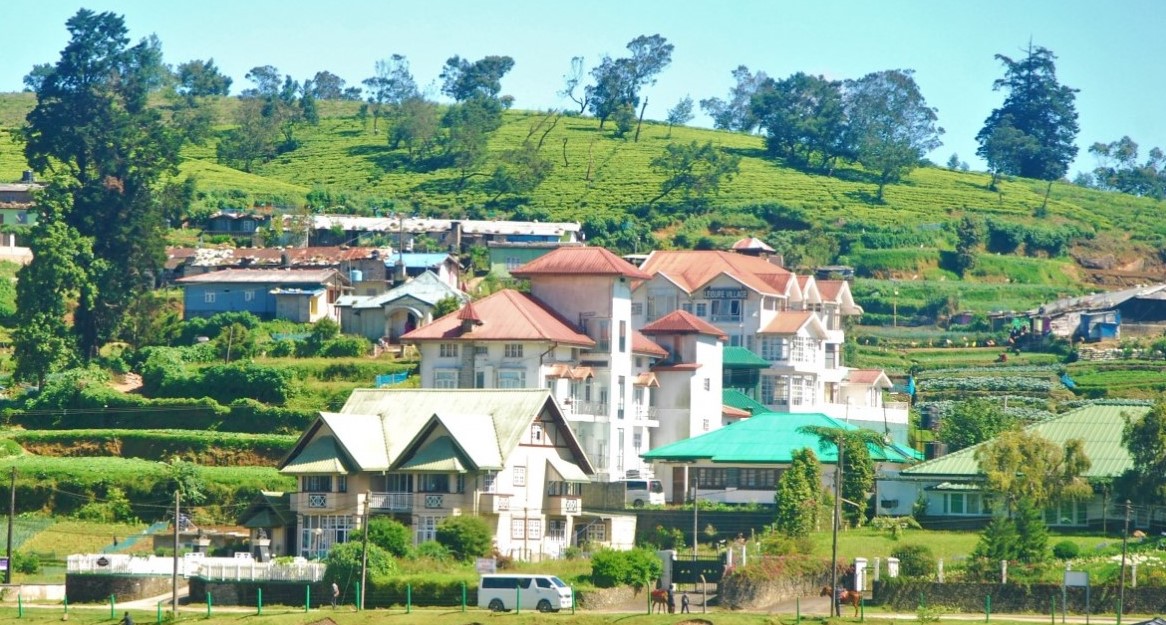
"From taro cultivation in Bogor to village tourism in Banyumas, every village has a story worth telling — and an opportunity worth sharing."
Seven areas of village knowledge
FolderDesa organizes its articles across these interconnected topics, each one grounded in real Indonesian village experience.
What you'll find on FolderDesa
Practical articles written by contributors who understand village life.
Agriculture & Cultivation
Articles on taro (talas bogor), dragon fruit, crystal guava, durian, oyster mushrooms, and tabulampot grapes — plus livestock such as dairy goats and Merino sheep.
Village-Owned Enterprises
Guides on establishing BUMDes, the differences from cooperatives, and why professional phased management matters for village economic growth.
Village Tourism
Coverage of destinations like Desa Karangkemiri in Banyumas, where outbound activities and a swimming pool helped tourism contribute Rp 50 million to village income in 2021.
Culinary Traditions
Indonesian village foods, Sundanese heritage dishes, spiced drinks, infused waters, seafood street-food ideas, and home-industry snack production.
Business Opportunities
From dried wood ear mushrooms and kopyor coconut seedlings to ecoprint crafting, bamboo crafts, and mina padi integrated rice-fish farming.
Village News & Community
Reports on social assistance programs like PKH, village governance structures, and practical tips such as safe homecoming travel during mudik season.
Village land use rules for new rural enterprises
Launching a business in an Indonesian village often begins with a promising idea: a food-processing unit, homestay, farm supply shop, warehouse, or tourism attraction. Yet the land itself can determine whether that idea is legally and economically workable. A plot may be privately owned, village-owned, agricultural, protected, or subject to a local spatial plan that limits its use.
Understanding village land use regulations before investing helps entrepreneurs avoid rejected permits, disputes with residents, and costly changes to buildings or business activities. It also gives village governments and BUMDes a clearer basis for supporting responsible local enterprise.
The rules involve several layers, including land status, spatial planning, environmental obligations, building approval, and business licensing through the Online Single Submission system. The practical task is to connect these requirements with the proposed location and scale of the enterprise.
Start with the status and ownership of the land
The first check is identifying who legally controls the land. It may belong to an individual, a family, the village government, a cooperative, a company, or the state. A land certificate, sale deed, lease agreement, or other official document should be reviewed before any construction or commercial activity begins.
Village-owned land requires particular care. Tanah kas desa and other village assets cannot be treated as ordinary private property. Their use generally needs a clear public-interest or village development basis, proper recording as an asset, and approval through the applicable village administration process. A village regulation or formal agreement may be required, especially when the land is leased, built upon, or transferred for an enterprise.
A BUMDes may manage village assets, but its business authority does not remove the need to follow land, spatial, environmental, and construction rules. Entrepreneurs working with a BUMDes can review BUMDes guidance alongside the relevant village documents.
Check spatial planning before choosing a business site
A location that appears suitable in the field may have a different legal designation in the regency or city spatial plan. The RTRW and, where available, the RDTR can show whether an area is intended for agriculture, settlement, trade, industry, tourism, conservation, or public facilities. Local planning offices can explain whether the proposed activity is compatible with that designation.
The entrepreneur should also check whether the plot is inside a protected area, an irrigation zone, a coastal buffer, a forest area, or a designated sustainable food agricultural area. Converting productive farmland into buildings may face restrictions under agricultural land protection policies. A small business is still responsible for verifying these limits before signing a long-term lease.
The spatial conformity process, commonly known as KKPR, connects the proposed business location with official spatial planning. Depending on the area and activity, the process may involve confirmation or approval through the licensing system. A business plan should therefore describe the actual land use, building footprint, access road, parking, waste facilities, and production activities rather than using a vague business category.
Match permits to the scale and risk of the enterprise
Business licensing begins with an appropriate Indonesian Business Classification, or KBLI, submitted through OSS. The KBLI affects the documents and technical standards that may apply. A village café, rice mill, livestock operation, guesthouse, and small manufacturing workshop can each face different requirements even when they occupy a similar amount of land.
Buildings normally require a Persetujuan Bangunan Gedung, or PBG, while completion and lawful use may involve a Sertifikat Laik Fungsi. Environmental obligations depend on the type, size, and potential impact of the activity. Some enterprises need a statement of environmental management, while others may require a more detailed assessment or approval.
| Proposed activity | Land-use issues to verify | Common additional requirements |
|---|---|---|
| Food stall or village café | Commercial zoning, access, parking, waste disposal | Business license, food hygiene, PBG where applicable |
| Homestay or rural tourism site | Tourism designation, water supply, drainage, visitor access | Tourism registration, building approval, environmental management |
| Rice mill or food processing | Agricultural land conversion, noise, wastewater, traffic | OSS licensing, environmental documents, equipment standards |
| Livestock facility | Distance from homes, odor, water pollution, animal health | Environmental controls, veterinary requirements, waste management |
| Warehouse or workshop | Industrial or commercial zoning, fire safety, road capacity | PBG, fire protection, environmental and operational permits |
Use agreements that protect both parties
A written land-use agreement should identify the parties, land boundaries, duration, rent or revenue-sharing formula, permitted activities, maintenance duties, tax responsibilities, and procedures for ending the arrangement. Maps, photographs, and a copy of the land document can reduce later disputes over the site and its improvements.
When village land is involved, the agreement should be consistent with village deliberation, asset records, and applicable regulations. A BUMDes management agreement should also distinguish between the village’s ownership of an asset and the enterprise’s right to operate on or benefit from it. This distinction becomes important when buildings, equipment, or business revenue are later evaluated.
Agreements should address public access and neighboring rights as well. A tourism business may need to preserve a path, irrigation channel, sacred site, or community gathering area. A production facility should specify how trucks will enter, how wastewater will be handled, and who responds if residents report noise, dust, or other impacts.
Build community and environmental safeguards into the design
Village enterprises operate within close social networks, so consultation is a practical part of risk management. Early discussion with village officials, neighborhood leaders, farmer groups, and nearby landholders can reveal seasonal flooding, customary access routes, irrigation schedules, or concerns that do not appear in formal maps.
Environmental planning should be proportional but concrete. A small food business may need grease traps and organized waste collection, while a livestock or processing operation may require wastewater treatment, odor control, drainage improvements, and regular monitoring. These measures should appear in the budget from the beginning rather than being added after complaints arise.
Documents to prepare before applying
- Proof of land ownership or a valid land-use agreement
- A location map, site plan, and description of the proposed activity
- Relevant RTRW, RDTR, or spatial conformity information
- KBLI selection and OSS business registration details
- Building, environmental, water, fire, and sector-specific documents where required
Keep digital and printed copies of every submission, approval, meeting record, and payment receipt. If the location or business activity changes, review the permit implications before expanding.
Resolve uncertainty through the right local offices
Regulatory authority is distributed. The village government may clarify village assets and local agreements, while the subdistrict or regency offices may handle spatial planning, land administration, environmental review, public works, tourism, agriculture, or investment services. The National Land Agency office can help clarify registration and land-right issues.
Ask for written information when a requirement affects investment decisions. A simple record of the official’s name, office, date, and advice can help maintain consistency during the licensing process. For complex land ownership, inheritance, boundary, or customary-right disputes, obtain professional legal or land-survey assistance before committing funds.
FolderDesa readers can also use the contact page to share grounded information about village enterprise development and local regulatory practice. Local experience is valuable, but it should complement—not replace—verification with the responsible government office.
Put compliance into your launch plan
Treat land-use verification as an early business milestone, alongside market research and financial projections. Before paying a deposit or ordering construction materials, confirm the land status, spatial compatibility, required licenses, community safeguards, and exit terms in writing.
A practical sequence is:
- Confirm ownership, boundaries, and permitted land use.
- Check spatial conformity and agricultural or protected-area restrictions.
- Select the correct KBLI and register the business through OSS.
- Identify building, environmental, sector, and utility requirements.
- Obtain village approvals and finalize a documented land-use agreement.
A compliant location gives a new enterprise more than legal protection. It strengthens relationships with residents, improves access to financing and partnerships, and makes future expansion easier to manage. Use the checklist with the village government and relevant agencies before turning a promising rural business idea into a permanent investment.

Questions or story ideas from your village?
FolderDesa welcomes readers who want to share village experiences or learn more about the topics covered on the site.
Visit the Contact Page