
FolderDesa brings together practical knowledge on farming, village-owned enterprises, culinary traditions, rural tourism, and small-business ideas — all rooted in the everyday life of Indonesian villages.
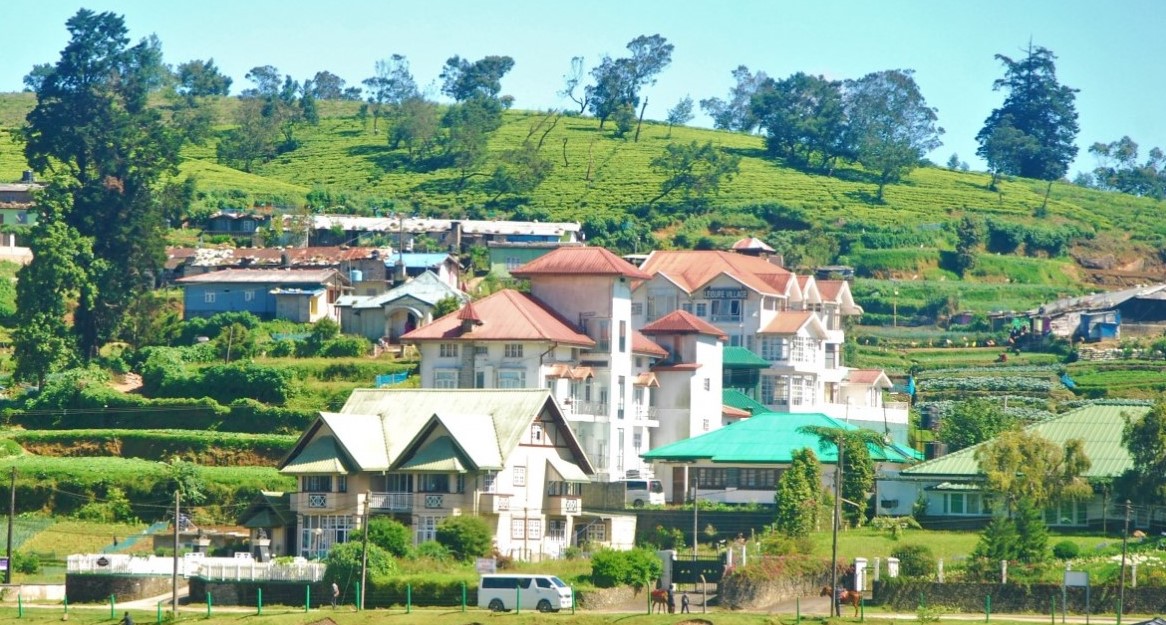
"From taro cultivation in Bogor to village tourism in Banyumas, every village has a story worth telling — and an opportunity worth sharing."
Seven areas of village knowledge
FolderDesa organizes its articles across these interconnected topics, each one grounded in real Indonesian village experience.
What you'll find on FolderDesa
Practical articles written by contributors who understand village life.
Agriculture & Cultivation
Articles on taro (talas bogor), dragon fruit, crystal guava, durian, oyster mushrooms, and tabulampot grapes — plus livestock such as dairy goats and Merino sheep.
Village-Owned Enterprises
Guides on establishing BUMDes, the differences from cooperatives, and why professional phased management matters for village economic growth.
Village Tourism
Coverage of destinations like Desa Karangkemiri in Banyumas, where outbound activities and a swimming pool helped tourism contribute Rp 50 million to village income in 2021.
Culinary Traditions
Indonesian village foods, Sundanese heritage dishes, spiced drinks, infused waters, seafood street-food ideas, and home-industry snack production.
Business Opportunities
From dried wood ear mushrooms and kopyor coconut seedlings to ecoprint crafting, bamboo crafts, and mina padi integrated rice-fish farming.
Village News & Community
Reports on social assistance programs like PKH, village governance structures, and practical tips such as safe homecoming travel during mudik season.
Traditional Weaving Techniques in Nusa Tenggara Villages
Across the islands of Nusa Tenggara, weaving is part of daily life, ceremony, identity, and household income. In villages of East Nusa Tenggara and West Nusa Tenggara, cloth may record ancestry, mark a marriage, accompany a funeral, or serve as an important gift between families.
Traditional textiles are made with patient, skilled work rather than rapid production. Cotton is prepared, threads are tied and dyed, and patterns are formed on simple looms operated by hand. Each island has its own motifs, materials, and social meanings, giving rural weaving a remarkable variety.
For village communities, the craft also offers an opportunity to strengthen local businesses. When production remains connected to cultural knowledge, weaving can support women’s groups, village-owned enterprises, tourism activities, and younger residents seeking work close to home.
Where the patterns begin
The best-known technique in the region is ikat, a resist-dyeing method applied to yarn before it is woven. Artisans bind selected sections of thread so dye cannot reach them, repeat the process with additional colors, and then arrange the threads on a loom. The final image appears as the dyed warp and weft intersect.
Warp ikat is especially associated with many textiles from East Nusa Tenggara. Sumba is recognized for large ceremonial cloths featuring horses, birds, human figures, and other symbolic forms. In Timor, tais textiles often display geometric designs, while Flores, Savu, Rote, and Alor have their own visual languages and weaving traditions.
Pattern knowledge is commonly passed through families and local learning groups. A weaver may understand the meaning of a motif, the correct use of color, and the appropriate occasion for a cloth without relying on written instructions. This makes the craft a living form of village education.
From cotton to ceremonial cloth
The process begins with fiber preparation. Some communities use locally grown cotton, while others purchase spun cotton thread. The thread is cleaned, stretched, and sometimes spun by hand before it is prepared for dyeing. A backstrap loom, which is secured around the weaver’s body, allows the artisan to control tension through posture and movement.
Natural dyes remain important in many villages. Indigo produces blue shades, while roots, bark, leaves, and other plant materials can create red, yellow, brown, or black tones. In parts of Nusa Tenggara, morinda is valued for red dye, though commercial dyes are also used when artisans need stronger color consistency or lower production time.
Dyeing and drying may be repeated several times. Once the threads have the desired colors, the weaver aligns them carefully and begins the interlacing process. A large ceremonial textile can take weeks or months, depending on its size, complexity, available time, and the number of people involved.
Island traditions and textile identity
Weaving styles differ across the islands because communities have developed independently while exchanging influences through trade, migration, and ceremony. Sumba cloths can feature bold figures linked to local beliefs and social history. Timorese tais often use strong stripes and geometric arrangements, while Flores textiles may show distinctive regional combinations of color and motif.
Textiles also communicate social relationships. A cloth can be presented during marriage negotiations, used in welcoming guests, or worn during traditional ceremonies. Its value is therefore determined by more than labor and material costs. The age of the pattern, the status of the weaver, the quality of the dye, and the cloth’s cultural history may all influence its meaning.
| Weaving area | Common textile identity | Notable features | Village opportunity |
|---|---|---|---|
| Sumba | Hinggi and lau | Figurative motifs, ceremonial use, deep colors | Cultural tours and premium textiles |
| Timor | Tais | Geometric designs, striped compositions, social symbolism | Cooperative production and local retail |
| Flores | Regional woven cloths | Varied motifs and dye traditions | Craft workshops and visitor experiences |
| Savu | Traditional island textiles | Distinctive color combinations and community patterns | Heritage branding and home-based enterprises |
| Rote and Alor | Local woven fabrics | Island-specific designs and techniques | Small-batch products and cultural education |
Protecting knowledge while building income
Rural weaving can generate income through direct sales, exhibitions, tourism, online marketplaces, and partnerships with designers. Yet commercialization needs care. If patterns are copied without permission or textiles are sold without explaining their origin, communities may lose control over their cultural property.
Village groups can establish clear agreements covering prices, quality standards, production schedules, and the use of traditional motifs. A shared label can identify the village, the artisan group, the technique, and the material. This helps buyers understand why a handwoven cloth costs more than a factory-made imitation.
Local economic development can connect weaving with other village products. Visitors who attend a weaving demonstration may also purchase traditional food, stay in a homestay, or visit a farm attraction. Communities exploring these integrated activities may find useful ideas in this guide to Minangkabau food heritage, where cuisine is presented as part of a wider cultural economy.
Practical steps for village weaving groups
A successful weaving group needs more than talented artisans. It requires dependable access to thread and dye, a system for recording orders, transparent financial management, and a fair method for sharing revenue. Regular meetings can help members discuss production problems and protect the consistency of their designs.
Training younger residents is equally important. Elders can teach spinning, tying, dyeing, loom preparation, motif interpretation, and finishing. Young people may contribute photography, bookkeeping, packaging, social media, and online sales while learning the craft itself.
Useful priorities for a village program include:
- Record local motifs, their names, meanings, and appropriate ceremonial uses.
- Calculate labor time and material costs before setting prices.
- Create a shared quality checklist for color, size, stitching, and finishing.
- Train younger members in digital promotion and customer communication.
- Use village events and tourism visits to demonstrate the process respectfully.
Connecting tradition with village enterprise
A weaving initiative can become part of a broader BUMDes program when the community has a clear business model. The enterprise might manage a gallery, provide raw materials, coordinate orders, organize workshops, or market products beyond the village. It should support artisans rather than replace their decision-making role.
Good governance begins with consultation. Weavers, customary leaders, village officials, tourism managers, and youth representatives should agree on ownership, pricing, and the use of cultural images. Communities considering this path can review a practical BUMDes planning guide before investing in equipment or retail facilities.
Tourism should remain educational rather than extractive. Visitors can learn how threads are tied, why certain colors matter, and how long a cloth takes to complete. Demonstrations should be scheduled around the artisans’ routines, and cultural objects should not be treated as costumes or decorations without permission.
Keeping the loom active
Traditional weaving techniques in Nusa Tenggara villages show how cultural heritage can remain relevant to agriculture, tourism, household income, and community identity. The strength of these textiles lies in the combination of technical skill and local meaning.
Villages can help the tradition endure by paying artisans fairly, documenting knowledge, creating respectful market channels, and making space for younger generations. Support a local weaving group, purchase authenticated village-made cloth, or include a responsible textile visit in your next rural travel plan.

Questions or story ideas from your village?
FolderDesa welcomes readers who want to share village experiences or learn more about the topics covered on the site.
Visit the Contact Page