
FolderDesa brings together practical knowledge on farming, village-owned enterprises, culinary traditions, rural tourism, and small-business ideas — all rooted in the everyday life of Indonesian villages.
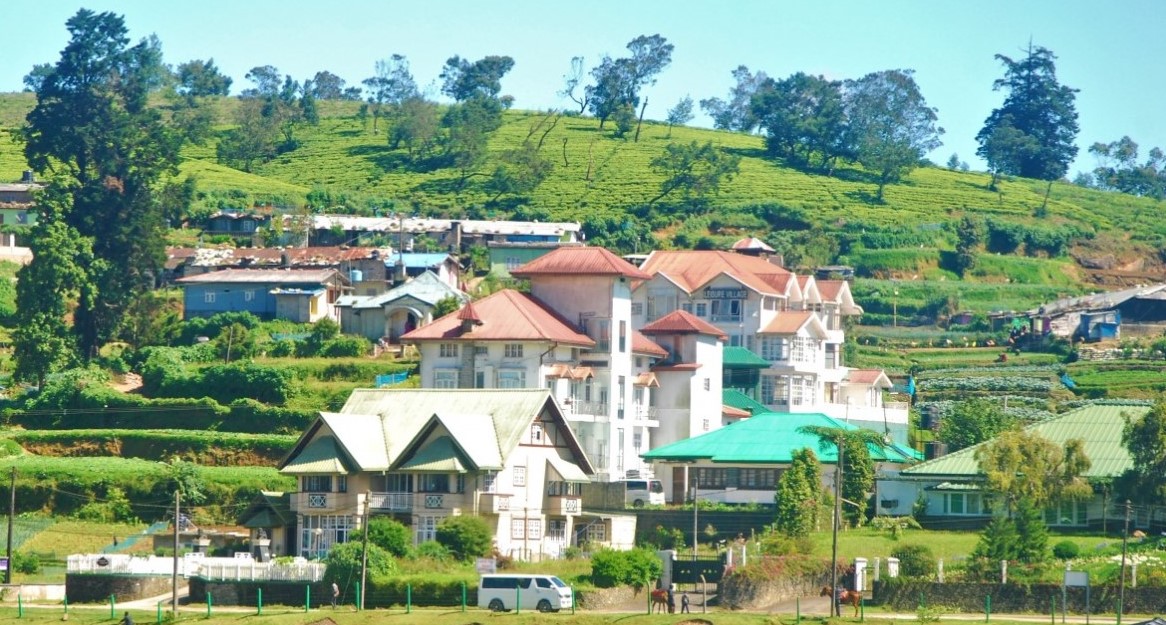
"From taro cultivation in Bogor to village tourism in Banyumas, every village has a story worth telling — and an opportunity worth sharing."
Seven areas of village knowledge
FolderDesa organizes its articles across these interconnected topics, each one grounded in real Indonesian village experience.
What you'll find on FolderDesa
Practical articles written by contributors who understand village life.
Agriculture & Cultivation
Articles on taro (talas bogor), dragon fruit, crystal guava, durian, oyster mushrooms, and tabulampot grapes — plus livestock such as dairy goats and Merino sheep.
Village-Owned Enterprises
Guides on establishing BUMDes, the differences from cooperatives, and why professional phased management matters for village economic growth.
Village Tourism
Coverage of destinations like Desa Karangkemiri in Banyumas, where outbound activities and a swimming pool helped tourism contribute Rp 50 million to village income in 2021.
Culinary Traditions
Indonesian village foods, Sundanese heritage dishes, spiced drinks, infused waters, seafood street-food ideas, and home-industry snack production.
Business Opportunities
From dried wood ear mushrooms and kopyor coconut seedlings to ecoprint crafting, bamboo crafts, and mina padi integrated rice-fish farming.
Village News & Community
Reports on social assistance programs like PKH, village governance structures, and practical tips such as safe homecoming travel during mudik season.
Traditional Salt Farming in Madura: Techniques and Challenges
Along the northern and southern coasts of Madura, salt making has long followed the rhythm of sun, wind, seawater, and the dry season. Farmers transform shallow coastal ponds into crystallization fields, producing coarse sea salt for household use, food processing, fisheries, and trading networks across East Java.
This work looks simple from a distance, yet it depends on careful land preparation, water management, timing, and inherited knowledge. A few cloudy days can delay harvests, while poor drainage or muddy pond floors may reduce both yield and quality.
For many families, salt farming is a seasonal livelihood combined with fishing, rice cultivation, livestock, small trade, or wage work. Its future depends on how traditional methods can respond to uncertain weather, changing markets, coastal pressure, and opportunities for village-based processing.
A coastal livelihood shaped by sunlight
Madura’s salt-producing areas benefit from long dry periods, strong sunlight, and coastal access. Regions around Pamekasan, Sampang, and Sumenep are widely associated with salt ponds, where farmers work on land that may be unsuitable for ordinary crops because of salinity and tidal influence.
A typical production season begins when the rainy period ends. Farmers repair embankments, clear channels, level pond surfaces, and prepare the soil to receive seawater. Salt production then becomes a daily routine of moving brine through a sequence of ponds until enough water evaporates for crystals to form.
The work creates employment beyond the farm itself. Transporters, brokers, warehouse workers, equipment sellers, and food businesses all depend on the movement of salt. In villages with strong collective organization, salt farming can support local revenues through land leases, market services, and village-owned enterprises.
How the salt pans work
Traditional salt ponds are commonly divided into several sections. Seawater first enters a storage pond, where suspended material settles. It then moves through evaporation ponds before reaching crystallization beds. Each transfer increases the brine’s salinity as sunlight removes water.
Farmers use gates, buckets, pumps, and simple channels to control the flow. Many still judge readiness by color, texture, taste, or the appearance of the brine rather than relying on laboratory instruments. The floor of a crystallization bed must be compact and clean so that harvested crystals are less contaminated by soil.
Salt is usually collected with rakes or wooden tools and piled beside the pond to drain. It may then be covered with plastic sheets or stored in sacks. The quality of the final product depends on the cleanliness of the pond, the concentration of the brine, harvest timing, and protection from rain after crystallization.
Traditional knowledge and seasonal timing
Experienced farmers read the landscape closely. Wind direction affects evaporation, cloud cover signals a slower production day, and the color of the brine indicates changes in concentration. Local knowledge also determines when to close a pond, redirect water, or harvest before afternoon humidity rises.
The dry season does not offer identical conditions every year. Early rain can end production suddenly, while high tides may damage embankments. Farmers therefore spread risk by staggering pond preparation, maintaining small reserve areas, and combining salt work with other income sources.
| Aspect | Traditional practice | Main benefit | Main limitation |
|---|---|---|---|
| Water movement | Gravity-fed channels and manual gates | Low operating cost | Slow and dependent on good pond levels |
| Evaporation | Open ponds under direct sunlight | Simple, locally understood process | Vulnerable to clouds and rain |
| Crystallization | Compacted soil beds | Affordable construction | Greater risk of dirt and impurities |
| Harvesting | Rakes, baskets, and hand labor | Creates local employment | Physically demanding and time-consuming |
| Storage | Sacks or covered piles | Easy to manage at village level | Moisture can lower quality |
Costs, markets, and quality pressures
Smallholder salt farmers often face a gap between production costs and the price offered by collectors. When many farmers harvest at the same time, local supply rises and bargaining power falls. Limited storage forces some households to sell quickly, even when prices are weak.
Quality standards create another pressure. Food manufacturers may require lower moisture, cleaner crystals, consistent grain size, and reliable volumes. Salt intended for iodization also needs suitable handling and testing. Farmers who sell only raw salt may receive less value than businesses that wash, dry, grade, package, or process it.
Collective action can improve this position. A farmers’ group or BUMDes may organize shared storage, weigh products transparently, negotiate with buyers, and arrange basic quality testing. Clear records of harvest volume and costs can help villages decide whether investment in dryers, covered warehouses, or packaging equipment is financially realistic.
Weather risks and practical adaptation
Rain is the most immediate threat to traditional salt production. A heavy shower can dissolve fresh crystals, fill ponds with unwanted water, and force farmers to repeat several stages. Irregular seasons also shorten the period available for harvesting, making each dry week more valuable.
Climate adaptation does not always require expensive technology. Stronger embankments, improved drainage, plastic-lined crystallization beds, weather monitoring, and raised storage platforms can reduce losses. Some farmers use greenhouse-style covers or geomembranes to protect brine and improve cleanliness, although these options require careful budgeting.
Village planning should also consider coastal erosion, land conversion, and mangrove protection. Salt ponds need access to seawater, yet unmanaged coastal development can disrupt channels and increase flooding. Local regulations that protect water routes and clarify land use can support both salt farmers and surrounding ecosystems.
Practical steps for stronger village enterprises
Improving the salt economy means strengthening everyday operations before pursuing large-scale expansion. The following measures can help farmers, village officials, and local business groups:
- Map ponds, channels, embankments, storage areas, and access roads before investing in equipment.
- Create shared drying or storage facilities so farmers are less pressured to sell immediately after harvest.
- Record moisture, cleanliness, grain size, and buyer requirements for each production batch.
- Train young residents in pond management, bookkeeping, digital marketing, and equipment maintenance.
- Develop products such as washed salt, culinary salt, seasoning blends, or locally branded packages where demand is reliable.
Diversification can make salt villages more resilient. A household that combines salt farming with fish cultivation, small livestock, food processing, or tourism may have income during weather interruptions. For villages receiving visitors, a clean demonstration pond and a short explanation of the production process can become part of an educational rural tourism route; practical guidance on registering a homestay can support this wider village offer.
Connecting salt farming with food security
Salt production is closely linked to coastal food systems. Farmers may use nearby ponds for milkfish, shrimp, or seasonal aquaculture when salinity and water conditions are suitable. However, poorly managed conversion can create conflicts between salt beds, fish ponds, and community water needs.
Households can also strengthen their food supply through small-scale cultivation and aquaculture away from the main salt fields. A simple household pond, supported by advice on building a fish pond, may provide protein and a modest additional income while salt production is paused by rain.
The strongest village strategy treats salt as part of a broader coastal economy rather than a single crop. Better production methods, fairer marketing, environmental care, and complementary livelihoods can preserve local knowledge while giving younger residents practical reasons to remain involved.
Madura’s salt farmers already possess a valuable foundation: generations of understanding about water, soil, weather, and work. Villages can build on that foundation by improving records, organizing sales, protecting coastal infrastructure, and testing modest innovations. Support the people behind this heritage by buying responsibly sourced salt, visiting village enterprises respectfully, and sharing practical knowledge that helps coastal communities earn more from their own resources.

Questions or story ideas from your village?
FolderDesa welcomes readers who want to share village experiences or learn more about the topics covered on the site.
Visit the Contact Page