
FolderDesa brings together practical knowledge on farming, village-owned enterprises, culinary traditions, rural tourism, and small-business ideas — all rooted in the everyday life of Indonesian villages.
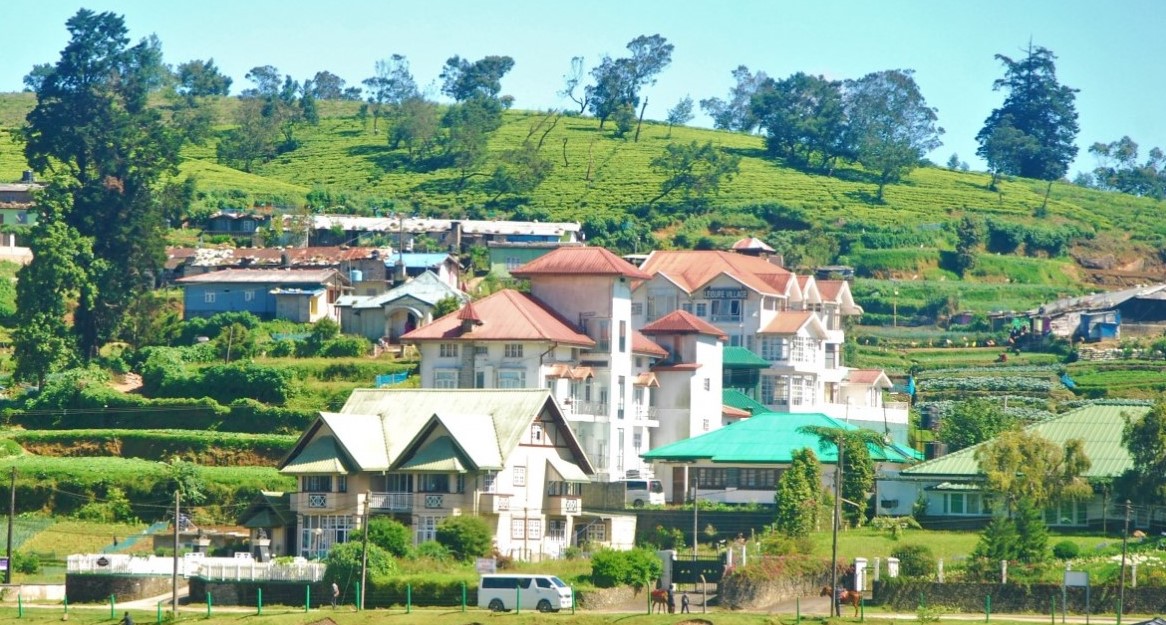
"From taro cultivation in Bogor to village tourism in Banyumas, every village has a story worth telling — and an opportunity worth sharing."
Seven areas of village knowledge
FolderDesa organizes its articles across these interconnected topics, each one grounded in real Indonesian village experience.
What you'll find on FolderDesa
Practical articles written by contributors who understand village life.
Agriculture & Cultivation
Articles on taro (talas bogor), dragon fruit, crystal guava, durian, oyster mushrooms, and tabulampot grapes — plus livestock such as dairy goats and Merino sheep.
Village-Owned Enterprises
Guides on establishing BUMDes, the differences from cooperatives, and why professional phased management matters for village economic growth.
Village Tourism
Coverage of destinations like Desa Karangkemiri in Banyumas, where outbound activities and a swimming pool helped tourism contribute Rp 50 million to village income in 2021.
Culinary Traditions
Indonesian village foods, Sundanese heritage dishes, spiced drinks, infused waters, seafood street-food ideas, and home-industry snack production.
Business Opportunities
From dried wood ear mushrooms and kopyor coconut seedlings to ecoprint crafting, bamboo crafts, and mina padi integrated rice-fish farming.
Village News & Community
Reports on social assistance programs like PKH, village governance structures, and practical tips such as safe homecoming travel during mudik season.
Building a village disaster response team that works
A village disaster response team gives residents a clear way to prepare for floods, landslides, fires, drought, earthquakes, disease outbreaks, and other emergencies. In rural Indonesia, the team may work across scattered hamlets, rice fields, plantations, riverbanks, and tourism sites, where official help can take time to arrive.
The strongest teams are built around local knowledge rather than paperwork alone. Their members understand which road floods first, which families need extra support, where clean water is stored, and who owns a boat, tractor, radio, or four-wheel-drive vehicle. These practical details are just as relevant to an Australian audience familiar with volunteer brigades, long distances, and the “give it a go” spirit of country communities.
Start with local risks and community knowledge
The first step is a village risk assessment. Hold a meeting with residents, farmers, traders, teachers, health workers, religious leaders, tourism operators, and village officials. Mark hazards on a simple map: rivers that overflow, unstable slopes, dry-season fire areas, bridges that become impassable, and homes located far from clinics or main roads.
Ask residents to describe previous emergencies and near misses. A farmer may know that a particular paddock becomes a temporary lake, while a motorcycle courier may identify a safer route between hamlets. This evidence should shape the response plan more than a generic template downloaded from elsewhere. Practical rural development reporting, such as rural development reporting, can also provide useful ideas about village-based resilience and local enterprise.
Australian communities use a similar approach when preparing for bushfires, cyclones, and floods. In regional New South Wales, residents may rely on advice from the NSW Rural Fire Service, while Victorians often recognise the CFA as a key source of local fire information. A village in Indonesia should likewise connect its own plan with the local disaster management agency, health centre, police, military posts, and neighbouring villages.
Choose members and define their responsibilities
A response team should be large enough to cover the village but small enough to coordinate quickly. Select people who are trusted, physically capable, calm under pressure, and available at different times of day. Include women, young adults, older residents with local knowledge, and people from each hamlet so the team reflects the whole community.
Assign specific roles instead of giving everyone the vague title of volunteer. A coordinator manages decisions and contacts authorities. An early-warning officer monitors weather, river levels, and official alerts. An evacuation group helps residents move safely. A first-aid group provides basic treatment, while a logistics group organises food, water, transport, torches, fuel, and temporary shelter.
The team should also maintain a list of residents who may need extra assistance, including older people living alone, people with disabilities, pregnant women, young children, and families without transport. Personal information must be handled respectfully and kept secure. In Australia, emergency services often stress that neighbours may be the first people to check on vulnerable residents, particularly in isolated properties; the same principle is important in Indonesian villages.
Prepare warnings, evacuation routes, and meeting points
A warning system must work when mobile coverage, electricity, or internet access fails. Use several channels: mosque loudspeakers, village announcements, community radio, text messages, WhatsApp groups, flags, bells, and door-to-door visits. Messages should state the hazard, the affected area, the action required, and the location of the safe shelter.
Map at least two evacuation routes from each hamlet and identify alternatives if a bridge, road, or footpath is blocked. Safe locations might include a village hall, school, place of worship, government building, or elevated community centre. Check whether these sites have toilets, drinking water, lighting, ventilation, cooking facilities, and enough space for families and livestock where appropriate.
The language should be direct and familiar. Australian emergency messaging often uses plain phrases such as “leave early” and “watch and act”; Indonesian villages can develop equally clear local wording. Avoid technical terms that confuse residents, and agree beforehand on who has authority to issue an evacuation order. A short printed map displayed in shops, public buildings, and farm sheds can be valuable when phones are unavailable.
Train, equip, and practise together
Training should begin with basic first aid, safe evacuation, fire prevention, search procedures, radio or phone communication, and crowd management. Members should learn what they must not do, such as entering floodwater, approaching fallen power lines, or attempting a rescue without proper support. Specialist tasks should be handed to trained agencies.
Equipment can be assembled in stages according to village finances. Essential items include first-aid kits, drinking-water containers, high-visibility vests, boots, gloves, torches, batteries, megaphones, ropes, tarpaulins, basic tools, and waterproof notebooks. Store supplies in more than one location if flooding or fire could destroy a single depot. Village-owned enterprises may help purchase and maintain shared equipment, while local businesses can contribute fuel, food, transport, or storage.
A team becomes reliable through practice. Run a short drill for a night-time evacuation, a flood warning, or a fire near farmland. Record how long it takes to alert households, reach the meeting point, account for residents, and contact outside agencies. Australian volunteer groups commonly conduct seasonal briefings before the bushfire or cyclone period; Indonesian villages can schedule similar exercises before the rainy season, dry season, or peak tourism period.
Establish partnerships and review the plan
No village team should operate alone. Create a contact directory for the district disaster management agency, puskesmas, fire service, police, search-and-rescue groups, electricity provider, water authority, transport owners, neighbouring villages, and local media. Confirm which agency handles each type of emergency and how requests for assistance should be made.
Agree on procedures for receiving donations, recording expenses, distributing relief supplies, and reporting damage. Transparent records reduce disputes and help the village qualify for government support or grants. In Australia, councils, insurers, emergency agencies, and local businesses often work through formal recovery arrangements; a comparable structure can help an Indonesian village move from immediate response to rebuilding livelihoods.
Review the plan after every drill and real incident. Update phone numbers, flood maps, shelter arrangements, equipment inventories, and vulnerable-resident lists at least twice a year. Also check seasonal changes: a new road, a damaged bridge, a larger tourist attraction, or a changed river channel can alter the risk profile quickly.
Give the team practical tools
A simple team checklist should be easy to print, copy, and keep in a waterproof folder.
- Current contact directory for officials and emergency services
- Hamlet maps showing hazards, routes, and safe meeting points
- Household list identifying people who may need assistance
- Equipment register with storage locations and maintenance dates
The team can use a separate incident record during an emergency.
- Time and location of the report
- Number of people affected or evacuated
- Immediate needs for water, food, medicine, or transport
- Actions taken and agencies contacted
The purpose of these records is coordination, not bureaucracy. They help the village see what happened, prevent duplicated assistance, and support later funding applications. A team that reviews its notes after every exercise will steadily improve without waiting for a major disaster to expose weaknesses.
A practical response plan rests on five basics: local risk mapping, clearly assigned roles, reliable warnings, tested equipment, and regular cooperation with authorities. Start with the knowledge already held by farmers, families, and local volunteers, then turn it into a written plan that can be understood during a stressful moment. Keep one printed copy in every key public building, practise it before the next high-risk season, and update it whenever the village changes.

Questions or story ideas from your village?
FolderDesa welcomes readers who want to share village experiences or learn more about the topics covered on the site.
Visit the Contact Page