
FolderDesa brings together practical knowledge on farming, village-owned enterprises, culinary traditions, rural tourism, and small-business ideas — all rooted in the everyday life of Indonesian villages.
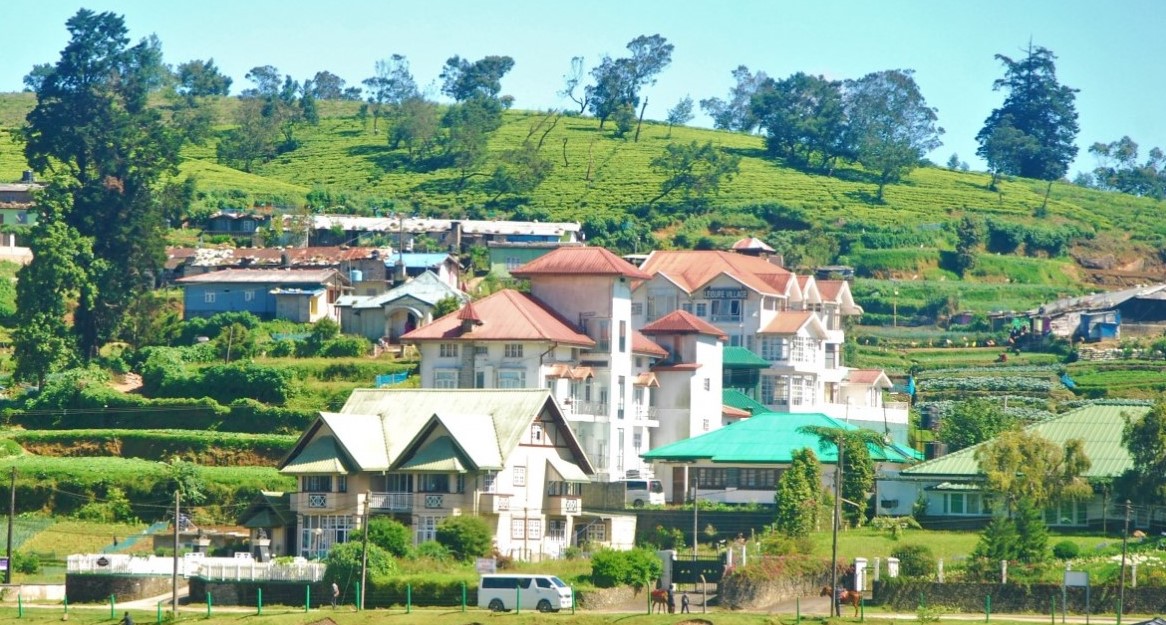
"From taro cultivation in Bogor to village tourism in Banyumas, every village has a story worth telling — and an opportunity worth sharing."
Seven areas of village knowledge
FolderDesa organizes its articles across these interconnected topics, each one grounded in real Indonesian village experience.
What you'll find on FolderDesa
Practical articles written by contributors who understand village life.
Agriculture & Cultivation
Articles on taro (talas bogor), dragon fruit, crystal guava, durian, oyster mushrooms, and tabulampot grapes — plus livestock such as dairy goats and Merino sheep.
Village-Owned Enterprises
Guides on establishing BUMDes, the differences from cooperatives, and why professional phased management matters for village economic growth.
Village Tourism
Coverage of destinations like Desa Karangkemiri in Banyumas, where outbound activities and a swimming pool helped tourism contribute Rp 50 million to village income in 2021.
Culinary Traditions
Indonesian village foods, Sundanese heritage dishes, spiced drinks, infused waters, seafood street-food ideas, and home-industry snack production.
Business Opportunities
From dried wood ear mushrooms and kopyor coconut seedlings to ecoprint crafting, bamboo crafts, and mina padi integrated rice-fish farming.
Village News & Community
Reports on social assistance programs like PKH, village governance structures, and practical tips such as safe homecoming travel during mudik season.
How young people are bringing village festivals back to life
Across rural Indonesia, village festivals are more than annual entertainment. They are spaces where residents honor local history, prepare traditional food, promote crafts, welcome visitors, and strengthen relationships between generations. Yet many celebrations have become quieter as young residents move to cities, digital media changes leisure habits, and older organizers struggle to manage increasingly complex events.
Youth participation can give these traditions fresh energy without removing their local character. Young villagers bring skills in design, social media, music, event production, photography, and entrepreneurship. When these abilities are connected with the knowledge of elders, a village festival can become both a cultural gathering and an opportunity for community development.
Reviving a festival does not mean making it identical to a commercial concert or copying an event from another region. The strongest celebrations begin with local stories, involve residents in decision-making, and create useful roles for children, teenagers, young adults, farmers, artisans, and village officials.
Turning local history into a living event
Young people can begin by documenting the meaning behind a village celebration. They may interview elders about harvest rituals, founding stories, traditional games, sacred places, or foods that were once served during communal gatherings. Short videos, photo essays, and written profiles can preserve information that might otherwise disappear.
This research also helps prevent festivals from becoming empty performances. A youth committee can explain the background of a dance, agricultural ceremony, folk song, or craft demonstration through signs, a small exhibition, or a digital story. Visitors gain a deeper experience, while residents see that their heritage has practical value.
Giving youth real responsibility
Youth involvement works best when young residents receive authority rather than being invited only to carry equipment or perform on stage. A village can establish a festival team with clear divisions for programming, finance, promotion, security, food stalls, environmental management, and visitor services.
Experienced residents still provide guidance, especially for customs and community agreements. However, young coordinators can manage timelines, registration forms, online communication, and volunteer schedules. This shared structure encourages accountability and gives emerging leaders experience in village governance and collective decision-making.
Training can be simple and locally organized. A graphic designer may teach poster creation, a small business owner may explain budgeting, and a community health worker may cover first aid. These exchanges build skills that remain useful after the festival ends.
Connecting celebration with local income
A revived festival should create fair opportunities for village enterprises and household businesses. Farmers can sell seasonal produce, cooks can offer traditional dishes, and artisans can display woven goods, woodwork, pottery, or handmade souvenirs. Youth organizers can help sellers improve packaging, calculate prices, accept digital payments, and photograph products for online promotion.
The event can also support rural tourism when visitor numbers are managed carefully. Information about walking routes, homestays, natural attractions, and cultural workshops can be connected to a broader village tourism guide, helping guests discover more than the festival grounds. This approach spreads income to residents and encourages longer visits.
Village-owned enterprises, or BUMDes, may support venue management, ticketing, transport, waste collection, or promotional materials. Clear financial records are essential. When residents understand how revenue is collected and distributed, trust grows and the festival has a stronger chance of continuing each year.
Choosing activities that attract different generations
A successful program gives every age group a reason to participate. Traditional competitions, cooking demonstrations, storytelling, agricultural exhibitions, and community prayer may appeal to older residents, while music performances, creative markets, sports, and digital contests can attract younger audiences.
The activities should still reflect the identity of the village. A rice-producing community might organize a harvest parade, seed exhibition, or rice-based culinary competition. A coastal village could feature fishing knowledge, boat decoration, seafood preparation, and marine conservation education. Local relevance makes the celebration easier to recognize and support.
Youth groups can also create hybrid formats. A traditional game may be filmed for social media, while a village history exhibition can include a QR code linking to interviews with elders. Digital tools should extend participation rather than replace face-to-face gathering.
Measuring what the festival achieves
Success should not be judged only by visitor numbers. Organizers can track the number of local sellers, volunteers, performances, workshops, waste collected, and young people who receive training. They can also record whether traditional practices were presented respectfully and whether residents felt included.
| Area | Practical youth contribution | Useful measure |
|---|---|---|
| Culture | Record stories, teach games, curate performances | Number of documented traditions and participants |
| Promotion | Create videos, posters, maps, and social media content | Reach, shares, and visitor information requests |
| Local economy | Organize stalls and improve product presentation | Seller income and repeat customers |
| Environment | Reduce single-use plastics and manage waste points | Waste volume collected and recycled |
| Leadership | Coordinate volunteers, schedules, and reports | Completed tasks and transparent financial records |
A short evaluation meeting after the event can identify what worked and what caused difficulty. The findings should be written in a simple report and shared with the village government, youth organizations, BUMDes, and residents. This prevents knowledge from disappearing when the organizing committee changes.
Building a festival team that lasts
Many village events lose momentum because all responsibilities fall on a few enthusiastic people. A stronger model uses rotating roles and a yearly recruitment process. High school students can assist with documentation, university students can support research or promotion during holidays, and young workers can contribute through mentoring or sponsorship.
Partnerships with schools, farmer groups, cultural communities, local businesses, and tourism operators can widen the resource base. Small grants, business sponsorships, and voluntary contributions may fund sound systems, costumes, sanitation facilities, or training. Funding agreements should be recorded publicly so cultural work remains trusted.
Accessibility also matters. The committee should consider older people, children, people with disabilities, and residents with limited income. Affordable food, clear signs, safe paths, shaded seating, and family-friendly schedules make the festival more welcoming and strengthen its role as a shared village space.
Practical steps for a stronger youth-led festival
Youth groups and village organizers can begin with a modest plan rather than waiting for a large budget.
- Form a mixed committee that includes young residents, elders, village officials, women’s groups, farmers, and local entrepreneurs.
- Document the festival’s history and agree on which traditions must be protected.
- Assign written responsibilities for promotion, finance, performers, vendors, safety, and waste management.
- Design activities that connect cultural heritage with local products, skills, and tourism.
- Evaluate attendance, income, participation, environmental impact, and resident feedback after the event.
The role of youth in reviving village festivals is ultimately about stewardship. Young people bring creativity and technical confidence, while older generations hold memories, values, and cultural knowledge. When both strengths work together, a festival can become a regular platform for identity, income, education, and community leadership.
Villages ready to restart an old celebration can begin by gathering stories, inviting young organizers into the planning process, and testing one manageable activity. A well-prepared small event can become the foundation for a festival that grows with the community.

Questions or story ideas from your village?
FolderDesa welcomes readers who want to share village experiences or learn more about the topics covered on the site.
Visit the Contact Page