
FolderDesa brings together practical knowledge on farming, village-owned enterprises, culinary traditions, rural tourism, and small-business ideas — all rooted in the everyday life of Indonesian villages.
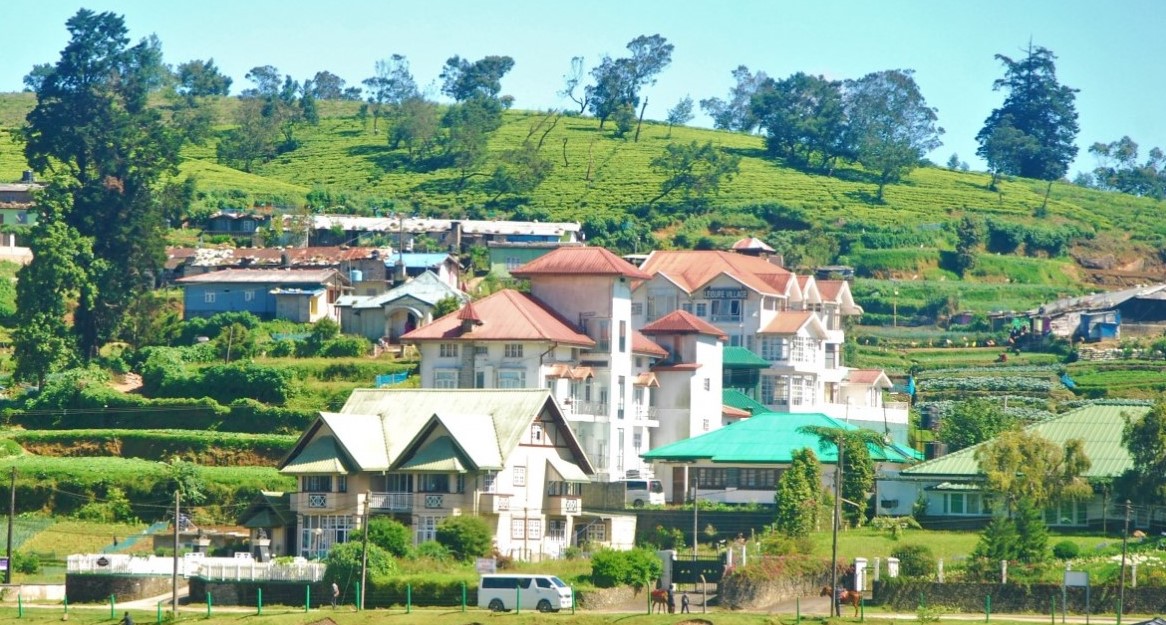
"From taro cultivation in Bogor to village tourism in Banyumas, every village has a story worth telling — and an opportunity worth sharing."
Seven areas of village knowledge
FolderDesa organizes its articles across these interconnected topics, each one grounded in real Indonesian village experience.
What you'll find on FolderDesa
Practical articles written by contributors who understand village life.
Agriculture & Cultivation
Articles on taro (talas bogor), dragon fruit, crystal guava, durian, oyster mushrooms, and tabulampot grapes — plus livestock such as dairy goats and Merino sheep.
Village-Owned Enterprises
Guides on establishing BUMDes, the differences from cooperatives, and why professional phased management matters for village economic growth.
Village Tourism
Coverage of destinations like Desa Karangkemiri in Banyumas, where outbound activities and a swimming pool helped tourism contribute Rp 50 million to village income in 2021.
Culinary Traditions
Indonesian village foods, Sundanese heritage dishes, spiced drinks, infused waters, seafood street-food ideas, and home-industry snack production.
Business Opportunities
From dried wood ear mushrooms and kopyor coconut seedlings to ecoprint crafting, bamboo crafts, and mina padi integrated rice-fish farming.
Village News & Community
Reports on social assistance programs like PKH, village governance structures, and practical tips such as safe homecoming travel during mudik season.
The history and future of local market days in rural Java
In rural Java, a market day is more than a place to buy vegetables, livestock, or household goods. It is a recurring social event shaped by the Javanese calendar, harvest cycles, transport routes, and local relationships. For generations, these gatherings have connected farmers, traders, craftspeople, food vendors, and village residents.
The traditional pasar desa remains part of daily life in many regencies, even as permanent markets, supermarkets, motorbikes, and online commerce change shopping habits. Its strength lies in convenience, trust, and atmosphere: buyers often know who produced the rice, chilies, eggs, or tempeh they purchase.
Understanding how market days developed helps village governments and local businesses protect their value while preparing them for new economic conditions. The future of rural markets will depend on combining inherited customs with better management, sanitation, digital tools, and fair opportunities for small producers.
Roots in the Javanese calendar
Many market days follow the five-day Javanese cycle known as pasaran: Legi, Pahing, Pon, Wage, and Kliwon. A village may hold its busiest market on a particular pasaran day, while nearby villages schedule theirs on different days. This rhythm allows traders to move between locations and gives residents several places to sell farm products.
Older market sites often developed near crossroads, village halls, places of worship, rivers, or royal and administrative centers. Farmers brought surplus crops, poultry, firewood, woven goods, and prepared food. Buyers came for tools, clothing, medicines, and household necessities that were difficult to obtain from their own hamlets.
Markets also carried cultural meaning. A busy pasaran day could coincide with a pilgrimage, village celebration, or agricultural ritual. Transactions took place alongside conversation, matchmaking, news exchange, and informal conflict resolution, making the market an important part of community life.
From trading place to village institution
During the colonial period and the decades after independence, roads and transport networks gradually expanded the reach of rural markets. Bicycles, carts, buses, and later motorcycles allowed traders to bring goods from farther away. Cash transactions became more common, although barter and personal credit continued in some communities.
After independence, local governments increasingly treated markets as public economic infrastructure. Permanent stalls, covered roofs, drainage channels, weighing facilities, and collection systems were introduced unevenly. Some pasar desa became managed institutions with stall fees and market committees, while others remained informal roadside gatherings.
The market’s role has also broadened. It can serve as a distribution point for agricultural commodities, a testing ground for village food products, and a source of local government revenue. In villages with an active BUMDes, market management may support wider programs such as savings services, transport, waste collection, or tourism promotion. Practical lessons about rural finance can be found in BUMDes leadership tips, especially when market traders need accessible working capital.
What still brings people to market
Freshness remains a major advantage. Produce sold soon after harvest may be cheaper and more suitable for local cooking than goods transported through several distribution layers. Consumers can inspect quality, negotiate quantities, and choose familiar sellers. Small farmers also gain a direct route to customers without depending entirely on middlemen.
Food is another powerful attraction. Traditional snacks such as cenil, klepon, apem, serabi, and rice cakes often appear alongside regional specialties. A market day can preserve recipes that are rarely offered in formal shops, while creating income for women’s groups, home kitchens, and elderly food producers.
Social trust gives local markets resilience. A trader may allow a regular customer to pay later, recommend another seller, or help a neighbor find a missing item. These relationships are difficult to reproduce in anonymous digital transactions, although they can be supported by simple messaging groups and community-based ordering.
| Market feature | Traditional strength | Practical future direction |
|---|---|---|
| Fixed pasaran schedule | Predictable trading rhythm | Publish schedules through village websites and messaging groups |
| Local farm products | Freshness and traceability | Add grading, packaging, and direct subscriptions |
| Face-to-face bargaining | Trust and personal relationships | Combine cash sales with QR payments and transparent prices |
| Food and cultural activities | Strong local identity | Link market days with culinary and heritage tourism |
| Informal management | Flexible and low-cost operation | Improve sanitation, records, stall allocation, and accountability |
Pressures changing rural markets
Permanent retail stores and minimarkets offer longer opening hours, standardized products, and convenient payment. Online marketplaces also affect non-food sellers, especially clothing, tools, household goods, and mobile accessories. Younger residents may prefer ordering through an application rather than waiting for a weekly market day.
Infrastructure can create additional problems. Poor drainage, muddy access roads, limited toilets, unmanaged waste, and insufficient parking make markets uncomfortable for traders and visitors. Seasonal price fluctuations can also hurt farmers when many producers harvest the same crop at once.
Market governance matters as much as physical renovation. Unclear stall fees, weak bookkeeping, favoritism in space allocation, and inadequate safety arrangements can reduce public confidence. Village officials, trader associations, and BUMDes managers need clear roles, public records, and regular meetings to keep improvements credible.
Building a stronger market economy
The first step is to map what each market already does well. One village may have a strong livestock trade, another may be known for breakfast food, and another may sit near a scenic route used by visitors. Development should reinforce these existing advantages instead of copying a generic market design.
Basic facilities can deliver major gains. Covered selling areas, clean water, toilets, waste sorting, lighting, safe electrical connections, and organized loading zones improve conditions for everyone. Separate spaces for livestock, cooked food, and fresh produce can reduce hygiene risks and make movement easier.
Digital tools should support, rather than replace, the physical market. A village can create a weekly list of available products, promote special foods through social media, or use QR payments for traders who want them. Simple digital bookkeeping can help managers track stall occupancy, fees, maintenance costs, and revenue for village development.
Market data is also valuable. Recording prices, visitor numbers, unsold produce, and peak trading times helps farmers plan harvests and helps officials assess whether a renovation has worked. The broader community-oriented approach described on FolderDesa’s profile reflects why grounded local knowledge is important when designing rural economic programs.
Practical priorities for village stakeholders
A successful market strategy should balance commercial activity with cultural continuity. Traders need affordable access, consumers need clean and reliable facilities, and village authorities need enough revenue to maintain the site. Tourism programs should avoid turning ordinary market life into a staged attraction that excludes local residents.
Several actions can be introduced gradually:
- Establish a clear market committee with representatives of traders, farmers, women’s groups, youth, and village government.
- Publish pasaran schedules, stall fees, rules, and contact information through noticeboards and digital channels.
- Improve drainage, toilets, waste collection, lighting, and traffic organization before investing in decorative construction.
- Create designated areas for local food, farm products, crafts, and livestock to strengthen product identity.
- Offer basic training in packaging, food safety, bookkeeping, digital payments, and customer service.
The best results usually come from small improvements that traders can see and use. Regular evaluation meetings can identify which facilities are working, where congestion occurs, and which products deserve promotion. This keeps the market responsive to residents rather than driven solely by short-term projects.
Local market days have survived because they adapt to the needs of each generation. Their future will be strongest when villages treat them as living economic institutions: places for commerce, food heritage, social connection, and agricultural exchange. Village governments, BUMDes managers, traders, and community groups can begin by documenting their market’s history, improving essential services, and promoting its distinctive products through both local networks and digital media.

Questions or story ideas from your village?
FolderDesa welcomes readers who want to share village experiences or learn more about the topics covered on the site.
Visit the Contact Page