
FolderDesa brings together practical knowledge on farming, village-owned enterprises, culinary traditions, rural tourism, and small-business ideas — all rooted in the everyday life of Indonesian villages.
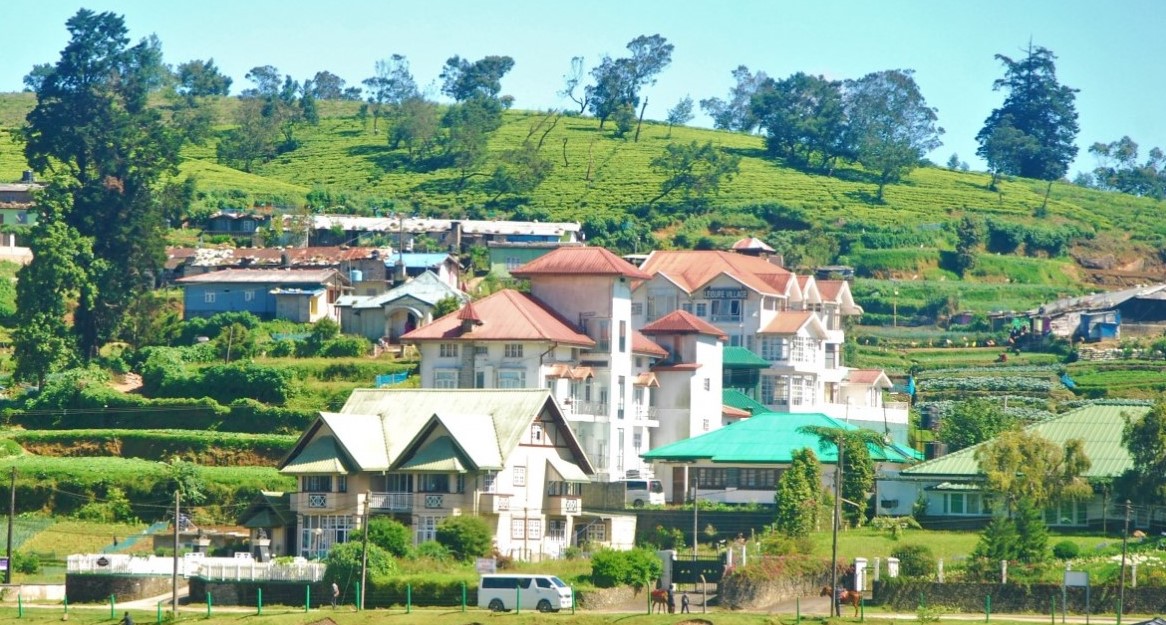
"From taro cultivation in Bogor to village tourism in Banyumas, every village has a story worth telling — and an opportunity worth sharing."
Seven areas of village knowledge
FolderDesa organizes its articles across these interconnected topics, each one grounded in real Indonesian village experience.
What you'll find on FolderDesa
Practical articles written by contributors who understand village life.
Agriculture & Cultivation
Articles on taro (talas bogor), dragon fruit, crystal guava, durian, oyster mushrooms, and tabulampot grapes — plus livestock such as dairy goats and Merino sheep.
Village-Owned Enterprises
Guides on establishing BUMDes, the differences from cooperatives, and why professional phased management matters for village economic growth.
Village Tourism
Coverage of destinations like Desa Karangkemiri in Banyumas, where outbound activities and a swimming pool helped tourism contribute Rp 50 million to village income in 2021.
Culinary Traditions
Indonesian village foods, Sundanese heritage dishes, spiced drinks, infused waters, seafood street-food ideas, and home-industry snack production.
Business Opportunities
From dried wood ear mushrooms and kopyor coconut seedlings to ecoprint crafting, bamboo crafts, and mina padi integrated rice-fish farming.
Village News & Community
Reports on social assistance programs like PKH, village governance structures, and practical tips such as safe homecoming travel during mudik season.
The basics of beekeeping in rural Indonesia
Beekeeping can turn Indonesia’s abundant tropical vegetation into a practical source of income, nutrition, and pollination. A small apiary may fit beside a home garden, coconut grove, coffee plot, or village forest, allowing families to diversify their livelihoods without requiring large areas of land.
The work involves more than placing a box and collecting honey. Successful honey production depends on choosing a suitable bee species, locating colonies near reliable flowers, protecting them from excessive heat and rain, and learning how to handle hives safely.
For farmers, village entrepreneurs, and community groups, beekeeping offers a gradual path into agribusiness. It can begin with one or two colonies, then expand as skills and local markets develop.
Choosing bees for the local environment
Several bee types are suitable for rural Indonesia. Asian honey bees, especially Apis cerana, are familiar in many areas and can adapt to tropical conditions. Apis mellifera can produce substantial honey, but it may require closer management and a dependable supply of flowering plants.
Stingless bees, commonly called kelulut, are increasingly popular because their colonies are gentle and easy to keep near homes. They produce honey with a distinctive sour-sweet flavor, along with propolis and other hive products. Their honey yield is usually smaller than that of honey bees, so the business model often focuses on premium packaging, direct sales, and educational visits.
Local climate and forage should guide the decision. A farmer should ask which bees already live in the area, whether experienced keepers are nearby, and what flowers are available throughout the year.
Selecting a safe apiary site
A good apiary has morning sunlight, afternoon shade, clean water nearby, and protection from strong winds. Hives should stand above damp ground on stable supports. The entrance should face away from busy paths, livestock shelters, schools, and neighbors’ doors.
Flowering plants are the foundation of a colony. Coconut, coffee, rambutan, mango, citrus, calliandra, banana, sunflowers, and many wild plants can provide nectar or pollen at different times. A mixed planting plan is more reliable than depending on one crop with a short flowering season.
Beekeepers should also identify possible hazards before installing colonies. Fields treated with insecticides can expose bees to poisoning, while frequent flooding, smoke, and fire may disturb or destroy hives. Communication with nearby farmers is essential when pesticides are used.
Understanding hive equipment and daily care
Basic equipment includes a hive box, frames or bars, a protective veil, gloves, a smoker for defensive honey bees, a hive tool, and clean containers for harvested honey. Stingless bee colonies require different boxes and should be handled gently because their nest structure is more delicate.
A new keeper should inspect colonies calmly and briefly. Look for active bees, eggs or larvae, stored pollen, honey reserves, pests, damaged parts, and signs of queenlessness. Excessive opening can stress a colony, particularly during heavy rain, food shortages, or periods of low flowering.
The table below compares common choices for beginners:
| Bee type | Main advantages | Main concerns | Suitable starting use |
|---|---|---|---|
| Apis cerana | Adapted to local conditions; useful honey production | Can defend the hive strongly; may swarm | Small household apiary |
| Apis mellifera | Strong production potential and established equipment | Needs careful feeding and disease monitoring | Experienced or cooperative keepers |
| Stingless bees | Gentle; suitable near homes; produces premium honey | Smaller harvest; honey needs careful storage | Home gardens and educational tourism |
Feeding, harvesting, and product quality
Bees should obtain most of their food from natural flowers. During a prolonged dry season or a gap between flowering periods, a beekeeper may provide sugar syrup as temporary support. This should not replace efforts to maintain diverse forage, because pollen is also necessary for brood development.
Honey is ready for harvesting when much of the comb is capped. Harvesting too early can produce watery honey that ferments quickly. Clean tools, dry containers, and protection from smoke, dirt, and excessive heat help preserve flavor and shelf life.
Stingless bee honey contains more moisture than many conventional honey products. It often requires careful storage and, depending on the processing method and local regulations, may benefit from refrigeration. Labels should state the bee type, harvest date, net weight, and producer information without making unsupported health claims.
Managing pests, weather, and safety
Common problems include ants, wax moths, mites, small hive beetles, rodents, and fungal growth. Strong colonies, clean equipment, raised stands, and regular observation are the first defenses. Any unusual smell, dead brood, deformed wings, or sudden drop in bee activity deserves prompt attention.
Protective clothing is important when working with defensive honey bees. Smoke should be used sparingly, and harvesting should take place when many foraging bees are away from the hive. Children and visitors should remain at a safe distance, while household members need clear instructions about hive locations.
Chemical treatment should never be applied casually. Products intended for bees must be used according to their label and local agricultural guidance. Beekeepers should keep records of inspections, feeding, treatments, flowering periods, and harvests so that problems can be traced and improved over time.
Turning honey into a village opportunity
Honey sales can start through neighbors, local markets, farm shops, restaurants, homestays, and social media. Attractive but honest packaging helps customers understand whether they are buying forest honey, garden honey, kelulut honey, comb honey, or a blended product. Consistent taste and cleanliness matter more than elaborate branding at the beginning.
A village group can also connect beekeeping with crop pollination, conservation, training, and rural tourism. A small demonstration apiary may become part of a village visit, while flowering gardens improve the landscape and support other agricultural activities. For communities developing collective businesses, BUMDes opportunities can provide useful context for discussing shared equipment, processing, marketing, and revenue management.
Before expanding, calculate the cost of boxes, colonies, protective gear, transport, packaging, and losses. A realistic plan should account for seasonal harvests rather than assuming monthly income.
Practical steps for a responsible start
- Begin with one or two healthy colonies from a trusted local beekeeper.
- Map flowering plants, pesticide use, water sources, shade, and flooding risks.
- Learn colony inspection and safe harvesting through hands-on training.
- Keep separate records for honey, propolis, wax, equipment, and operating costs.
- Sell small batches first and collect feedback on taste, packaging, and repeat demand.
Beekeeping works best when treated as a living agricultural system rather than a quick honey business. Healthy colonies depend on healthy landscapes, careful observation, and cooperation among farmers, residents, and village institutions.
A practical first move is to visit an experienced beekeeper, inspect several possible sites, and prepare a simple budget for a small trial. With patience and good records, rural households and village groups can build an apiary that supports pollination, local enterprise, and long-term income.

Questions or story ideas from your village?
FolderDesa welcomes readers who want to share village experiences or learn more about the topics covered on the site.
Visit the Contact Page