
FolderDesa brings together practical knowledge on farming, village-owned enterprises, culinary traditions, rural tourism, and small-business ideas — all rooted in the everyday life of Indonesian villages.
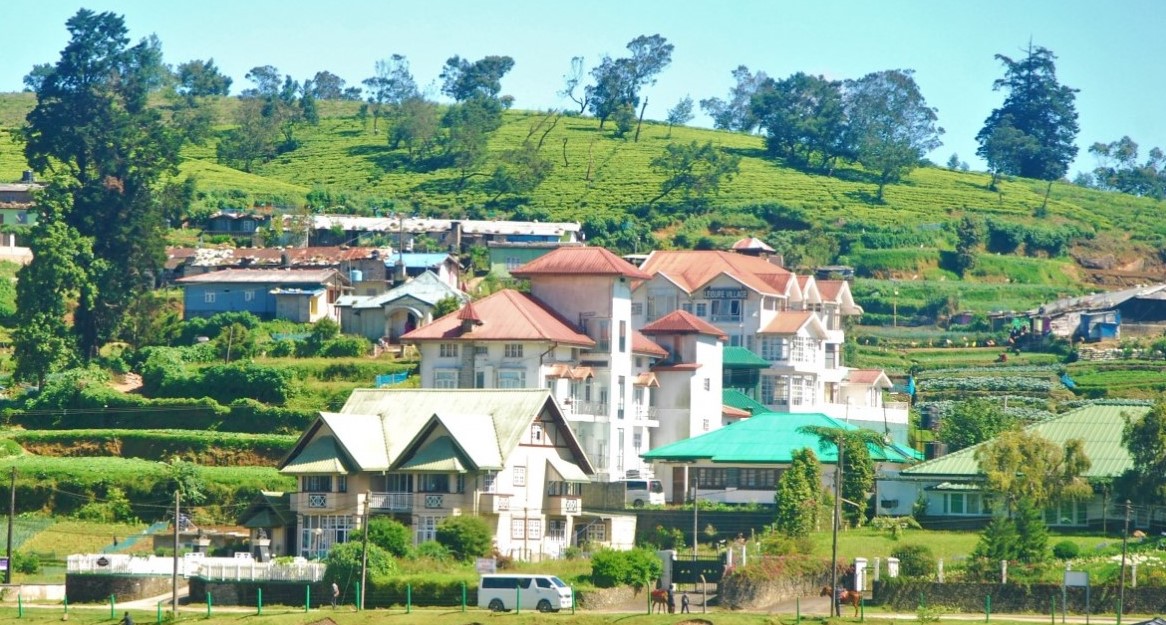
"From taro cultivation in Bogor to village tourism in Banyumas, every village has a story worth telling — and an opportunity worth sharing."
Seven areas of village knowledge
FolderDesa organizes its articles across these interconnected topics, each one grounded in real Indonesian village experience.
What you'll find on FolderDesa
Practical articles written by contributors who understand village life.
Agriculture & Cultivation
Articles on taro (talas bogor), dragon fruit, crystal guava, durian, oyster mushrooms, and tabulampot grapes — plus livestock such as dairy goats and Merino sheep.
Village-Owned Enterprises
Guides on establishing BUMDes, the differences from cooperatives, and why professional phased management matters for village economic growth.
Village Tourism
Coverage of destinations like Desa Karangkemiri in Banyumas, where outbound activities and a swimming pool helped tourism contribute Rp 50 million to village income in 2021.
Culinary Traditions
Indonesian village foods, Sundanese heritage dishes, spiced drinks, infused waters, seafood street-food ideas, and home-industry snack production.
Business Opportunities
From dried wood ear mushrooms and kopyor coconut seedlings to ecoprint crafting, bamboo crafts, and mina padi integrated rice-fish farming.
Village News & Community
Reports on social assistance programs like PKH, village governance structures, and practical tips such as safe homecoming travel during mudik season.
Tofu Skin Production From Soy Milk for Village Workshops
Tofu skin — known across Indonesia as kulit tahu and eaten everywhere from Bandung street stalls to village kitchens — is the pale yellow film that forms on simmering soy milk. Lifted in a single sheet and dried, it becomes a crunchy wrapper, a soup garnish, and a protein-rich snack that stores for months without refrigeration. Village workshops already pressing tofu can add skin production with limited extra outlay, since the equipment and raw inputs are largely shared.
Australian shoppers who visit the Asian grocers of Cabramatta or browse freezer aisles in Springvale have watched kulit tahu move from niche to staple. That demand, paired with a national appetite for plant-based protein, has opened space for small village producers serving the diaspora and curious home cooks. A longer overview of similar Indonesian case studies is published on FolderDesa.Com.
Setting up a workshop that stays food-safe
The most important decision is the room itself. Skin production depends on long undisturbed simmers, so the space needs drainage, washable surfaces, and a roof that keeps out insects. Tilting stainless benches let sheets slide directly onto drying racks; fixed wooden tables absorb soy residue and harbour bacteria. Australian exporters follow Food Standards Australia New Zealand cleaning, allergen, and labelling guidance, and village producers who follow the same templates from day one avoid costly retrofitting later.
Steam from fifty litres of simmering milk will coat a low ceiling, drip back into the vats, and ruin the day's yield. A wall exhaust and two or three fans keep air moving without chilling the milk. Cold milk pulls the skin too thick and tears it on removal, so warm humid air is the goal.
Lighting should be bright enough that workers can spot stray hairs, insects, or hull fragments on the surface of the milk before they lift into the skin. Where municipal electricity is unstable, a small inverter keeps lights and the simmering element running through short outages.
From dry bean to smooth soy milk
Food-grade soybeans in 25 kg sacks are widely available from bulk suppliers in Brisbane, Adelaide, and Perth. Beans should be pale yellow with a smooth coat; darker field varieties give a more bitter skin. An overnight soak of eight to twelve hours improves extraction.
Grinding is done wet, with two and a half to three parts water per drained bean. The slurry passes through a cloth or press and the milk is cooked at around 90°C for ten to fifteen minutes. Foam and stray skins must be skimmed off before they lift into the film. The milk is then held at 80°C and left undisturbed — within ten to fifteen minutes a thin protein sheet begins to form across the surface.
Lifting, drying, and grading the skin
A skilled worker slips a flat bamboo skewer under the film and lifts it in one smooth motion. The film drapes over a rod above the vat, drains, and is moved to a drying rack. A new film forms almost immediately, and a steady worker can lift three or four sheets an hour. This rhythm — wait, lift, hang, drain, dry — defines an experienced skin-maker and largely determines the final price.
Drying works outdoors under shade, in a screened cabinet, or in a dehydrator set between 50°C and 60°C. Full sun bleaches the skin; humid shade risks mould. In Lombok, raised racks under a thatched roof work well; in Sydney, a stainless dehydrator gives more uniform results. Sheets are then graded by size, with first-grade sheets reaching at least thirty centimetres and smaller torn sheets sold as crushed pieces for soup mixes.
Packaging, labelling, and shelf life
Fully dried kulit tahu keeps six to twelve months at room temperature in a sealed foil pouch, and packaging is what separates a snack from a commodity. Resealable stand-up pouches with an ingredient list and best-before date sit well on shelves beside rice crackers at the food halls of Melbourne's Queen Victoria Market.
For Australia, labels need a nutrition panel, a prominent soybean allergen statement, and a country-of-origin declaration. For Indonesia's domestic market the rules lean toward halal certification, especially for retailers like Indomaret. Producers looking for distribution partners often start with the rural business opportunities index before approaching wholesale buyers.
Selling into Australian markets without overreaching
Reaching Australian shelves does not require a national deal on day one. A practical entry path includes:
- Weekend stalls at Brisbane's West End or Adelaide's Central Market, where a bay costs under A$200
- Stockists in migrant-rich suburbs like Auburn in Sydney or Springvale in Melbourne, where independent grocers welcome familiar lines
- A state food incubator offering shared cold storage, packaging equipment, and introductions to wholesale buyers
- A plain English-language page explaining the skin's use in regional cooking instead of translated marketing copy
Growing without losing the craft
A workshop running two wide pans comfortably produces forty to sixty sheets a day, enough to fill a wholesale order for one chain in Parramatta or a distributor in Footscray. Adding a third or fourth pan only works if a buyer is waiting, since every extra litre of soy milk adds an hour of lifting and draping.
Quality control grows harder at the same pace. A small team can watch every sheet; past four workers the senior skin-maker must supervise rather than produce. A written checklist of skin thickness, drying time, and grading, plus a paper log beside each pan, is the cheapest insurance against drift. Longer-term opportunities include flavoured skins, spice-mix bundles, or 100 gram snack bars — each one resting on a reliable core product.
Across Indonesia, kulit tahu has always been a story of quiet persistence — village workshops that turned beans, hot water, and patience into a protein-rich staple. The same formula now travels toward Australian shelves, where a village might one day supply a customer stir-frying after a suburban shop in Cabramatta, a stall at Brisbane Markets, or a dinner in a Canberra share house. The patience stays the same, and the appetite on the other side of the trade is stronger than it has ever been.

Questions or story ideas from your village?
FolderDesa welcomes readers who want to share village experiences or learn more about the topics covered on the site.
Visit the Contact Page