
FolderDesa brings together practical knowledge on farming, village-owned enterprises, culinary traditions, rural tourism, and small-business ideas — all rooted in the everyday life of Indonesian villages.
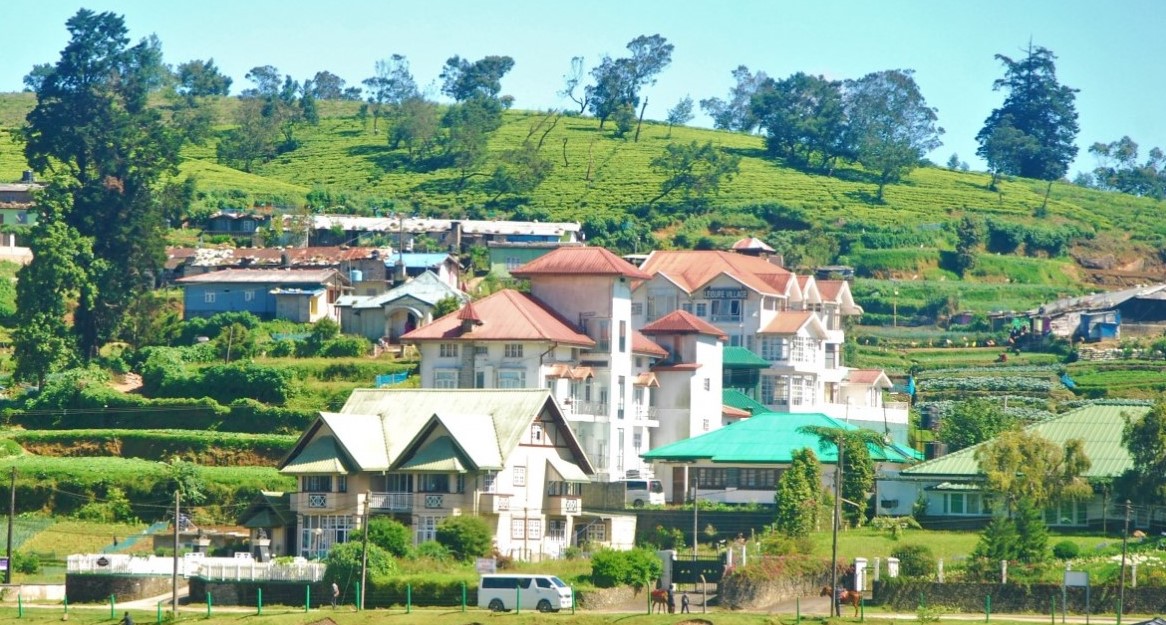
"From taro cultivation in Bogor to village tourism in Banyumas, every village has a story worth telling — and an opportunity worth sharing."
Seven areas of village knowledge
FolderDesa organizes its articles across these interconnected topics, each one grounded in real Indonesian village experience.
What you'll find on FolderDesa
Practical articles written by contributors who understand village life.
Agriculture & Cultivation
Articles on taro (talas bogor), dragon fruit, crystal guava, durian, oyster mushrooms, and tabulampot grapes — plus livestock such as dairy goats and Merino sheep.
Village-Owned Enterprises
Guides on establishing BUMDes, the differences from cooperatives, and why professional phased management matters for village economic growth.
Village Tourism
Coverage of destinations like Desa Karangkemiri in Banyumas, where outbound activities and a swimming pool helped tourism contribute Rp 50 million to village income in 2021.
Culinary Traditions
Indonesian village foods, Sundanese heritage dishes, spiced drinks, infused waters, seafood street-food ideas, and home-industry snack production.
Business Opportunities
From dried wood ear mushrooms and kopyor coconut seedlings to ecoprint crafting, bamboo crafts, and mina padi integrated rice-fish farming.
Village News & Community
Reports on social assistance programs like PKH, village governance structures, and practical tips such as safe homecoming travel during mudik season.
Bringing Stories to the Countryside: A Village Mobile Library
Across the Indonesian archipelago, thousands of villages sit hours from the nearest bookshop. Children share a single dog-eared textbook, and adults who never finished school rarely see a new magazine. A travelling collection that visits on a predictable schedule can change that quietly, one stop at a time. Australian readers who have grown up with the Royal Flying Doctor Service or the mobile outreach of the Indigenous Literacy Foundation already understand how a single vehicle can carry essential services to people who would otherwise miss out.
A village mobile library is not a grand building with a ribbon-cutting. It is a small truck, a motorbike with sidecar, or even a borrowed village hall on wheels. It carries picture books for toddlers, chapter novels for teenagers, agricultural manuals for farmers, and health pamphlets for elders. When planned with care, it becomes a regular social event that lifts literacy, sparks local conversation, and gives both children and grown-ups something to look forward to each week.
Reading the Village Before You Load the Van
Before buying a single shelf, walk the lanes and talk to the people. Ask mothers at the posyandu which books their babies respond to, and ask fathers returning from the rice fields what kind of reading would help them with prices, weather forecasts, or new seed varieties. Australian experience in remote outreach, from the libraries run by the State Library of New South Wales outback service to community reading circles in suburban Melbourne, shows that programmes designed without local input quickly lose their audience.
Count the households, note the languages spoken, and map the schools and kindergartens. In many desa there are at least three age groups that need different materials: pre-readers, primary schoolers, and adults who want practical information. A short survey, done on paper or through the village WhatsApp group, will shape the collection more wisely than any catalogue from a distant city.
Building a Collection That Serves Every Age
A balanced mobile library usually splits its shelves into four loose zones. The first holds board books, folktales, and brightly illustrated stories for the under-sevens. The second holds longer adventure and school readers for nine-to-fifteen-year-olds. The third holds practical titles such as livestock health, organic fertiliser recipes, budgeting for BUMDes, and small business accounting. The fourth holds adult fiction, religious texts, and language learning materials for teenagers preparing to leave the village.
It is wise to mix donated Indonesian titles with quality second-hand books. Many Australian charity bookshops, such as the Lifeline and Salvos stores in Brisbane and Perth, sort and export reading material to South-East Asia each year. Partnering with a donor organisation can stock a van for a fraction of the cost of buying new. Cookery books are surprisingly popular with village women who run small warungs, and resources such as how to cook ikan bakar 2 can be reprinted as pamphlets to hand out at every stop.
Choosing the Vehicle, the Route, and the Stops
The choice of transport depends on the roads. In flat coastal villages a small pickup with a covered tray works well. In mountainous regions of Sulawesi or Papua, a rugged four-wheel drive or even a motorbike with a sealed sidecar is more honest. The route should repeat on the same day each fortnight so that borrowers and children remember it; predictability builds habit faster than frequency.
Pick stops that already gather people: the village market on its busiest morning, the elementary school at lunchtime, the puskesmas on immunisation day. Each stop needs a single staff member who can sign out books, record returns, and chat with parents. A whiteboard or painted sign at the front of the vehicle listing the next three dates turns the service into something the village owns, rather than a passing event that leaves no trace.
Volunteers, Staff, and Working Safely with Children
Running a mobile library brings adults into close daily contact with minors, and that carries responsibility. Australian states require a Working with Children Check for anyone in regular unsupervised contact with children, and a similar local police clearance or surat keterangan catatan kepolisian should be obtained from each volunteer in Indonesia. The rule is not bureaucracy for its own sake; it protects the children, the volunteer, and the reputation of the whole programme.
Recruit a small core of two or three trusted people: a driver who knows the back lanes, a librarian who is comfortable with both toddlers and shy teenagers, and a community liaison who already speaks with the village head. Train them in simple book tracking, in how to handle a lost or damaged book, and in how to refer a child who seems unhappy to the local protection officer. A short handbook kept in the glove box keeps standards steady when staff change.
Funding, Partnerships, and Long-Term Sustainability
A village mobile library can begin with surprisingly little money. A second-hand vehicle, around five hundred donated books, plastic crates, a small laptop, and a banner are often enough for the first six months. Steady support comes from local BUMDes profits, village funds, and small grants from corporate social responsibility programmes run by Indonesian banks and telecommunications companies.
Australian-style funding models are also worth studying. The federal Community Grants Hub, the Ian Potter Foundation, and state-level culture and recreation grants all back projects that combine literacy with transport. Even if a village never applies to these bodies, reading their guidelines teaches grant-writing skills that translate directly to domestic funders. Pair the library with a small annual fee for adult borrowers, or a coffee-and-reading morning on market day, and the service can pay for its own fuel within a year.
The most useful first step is the smallest one. Borrow a friend's pickup, load it with thirty well-chosen books, drive to the village balai on a Sunday, and stay for two hours. Watch who comes, who watches from a distance, and what they ask for. From that first quiet afternoon a steady, well-loved service usually grows on its own.

Questions or story ideas from your village?
FolderDesa welcomes readers who want to share village experiences or learn more about the topics covered on the site.
Visit the Contact Page