
FolderDesa brings together practical knowledge on farming, village-owned enterprises, culinary traditions, rural tourism, and small-business ideas — all rooted in the everyday life of Indonesian villages.
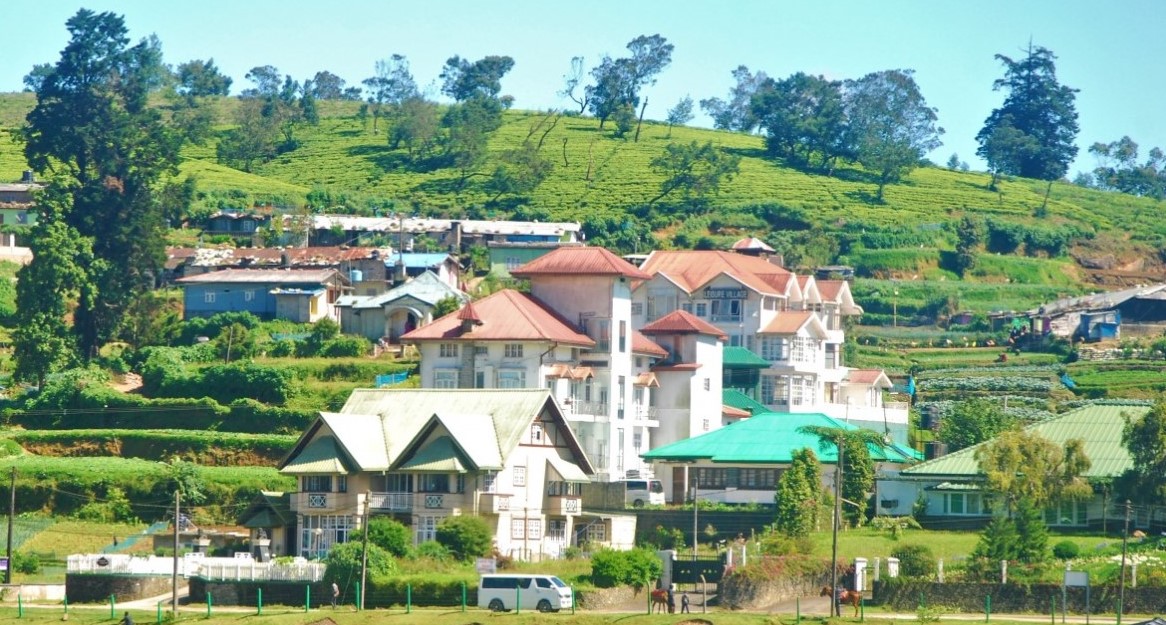
"From taro cultivation in Bogor to village tourism in Banyumas, every village has a story worth telling — and an opportunity worth sharing."
Seven areas of village knowledge
FolderDesa organizes its articles across these interconnected topics, each one grounded in real Indonesian village experience.
What you'll find on FolderDesa
Practical articles written by contributors who understand village life.
Agriculture & Cultivation
Articles on taro (talas bogor), dragon fruit, crystal guava, durian, oyster mushrooms, and tabulampot grapes — plus livestock such as dairy goats and Merino sheep.
Village-Owned Enterprises
Guides on establishing BUMDes, the differences from cooperatives, and why professional phased management matters for village economic growth.
Village Tourism
Coverage of destinations like Desa Karangkemiri in Banyumas, where outbound activities and a swimming pool helped tourism contribute Rp 50 million to village income in 2021.
Culinary Traditions
Indonesian village foods, Sundanese heritage dishes, spiced drinks, infused waters, seafood street-food ideas, and home-industry snack production.
Business Opportunities
From dried wood ear mushrooms and kopyor coconut seedlings to ecoprint crafting, bamboo crafts, and mina padi integrated rice-fish farming.
Village News & Community
Reports on social assistance programs like PKH, village governance structures, and practical tips such as safe homecoming travel during mudik season.
A village repair stop that keeps rural tours rolling
A village bicycle repair station for tourists can prevent a puncture or slipped chain from ending a rural holiday. Pumps, spare tubes, tools and a trained mechanic keep cyclists moving while creating local income. Fix urgent problems, sell essential parts and refer specialist work rather than imitate a full city bicycle shop.
In an Indonesian village, the station can sit beside a market, homestay or touring route and support bicycle hire, guides and food stalls. Clear prices, dependable hours and disciplined cash handling make it sustainable for visitors from Australia and local residents.
Why a repair stop creates value
Rural tourists face long distances, limited public transport and roads where a minor fault becomes serious. A puncture, slipped chain or worn brake pad may force a rider to abandon a route or miss accommodation. A dependable village stop reduces friction and improves the destination’s reputation.
The economic benefit stays close to home. A mechanic buys supplies nearby, a cook serves riders, and a guide leads them beyond the main road. Secure parking, bicycle washing and health checks can be added when demand justifies them, but each service should solve a clear visitor problem.
Choosing a location and service model
Place the station where cyclists pass, ideally near the pasar (local market), village entrance, homestay or route junction. Visible frontage, shade, hard-standing and a bicycle rack matter more than a prestigious building. Check drainage and road safety first.
The site needs permission. Public land, shopfront space and roadside activity can involve different village or district requirements, so village regulation guidance is a useful starting point. Agree who supplies the land, handles security and may operate beside the road.
A roadside cart suits a seasonal pilot; a locked kiosk supports year-round service. A shared room works when the village has a suitable building and qualified worker. Equip it with a floor pump, tyre levers, patches, common tubes, chain links, brake cables, multi-tools, lubricant and hand tools. Display the maximum repair size and opening hours.
Meeting Australian visitor expectations
Many Australian travellers start with a bicycle from a Melbourne or Sydney shop and use trains or buses to reach regional riding areas. Some operators ask riders to bag bikes during busy periods, so visitors often arrive without one and rent nearby. A station linked with hire providers can serve both groups.
Australia and Indonesia both use left-side traffic, helping visitors adjust. Helmet rules vary across Australia: Victoria requires helmets, while other states have different age- and setting-based rules. Explain Indonesian requirements, provide fitted helmets for sale or hire, and cover animals, speed bumps and mixed motorbike traffic.
Payment habits matter too. Cards and contactless payments are routine in Australian cities, though cash remains common at small community markets. The same cash-and-card choice may matter on Indonesian market days. Offer cash and, where reliable, a card reader. Show prices in rupiah, provide receipts and include a dated Australian dollar conversion note. English labels can help international riders, while pictograms and Indonesian instructions serve everyone.
Governing the service for village benefit
Treating the station as a small business protects continuity better than donations. A village-owned enterprise may manage the workshop, train the mechanic, buy stock and retain an agreed surplus for maintenance and community projects. Clear ownership prevents confusion over wages and supplies. BUMDes planning resources can help leaders assess the responsibilities.
Cooperative ownership or a licensed local operator are alternatives when they offer stronger accountability. Separate sales from charitable contributions, issue receipts, record daily takings and count stock monthly. Agree how wages, restocking, equipment renewal and village funds are funded, then publish a short summary for residents.
Plan for risks. Keep first-aid supplies, fire extinguishers, safe chemical storage and an incident log, and establish an emergency phone number. Insurance requirements depend on the legal form and location, so local authorities should confirm them before opening. Service standards should distinguish free advice, paid repairs and parts.
Connecting the station to wider routes
A repair shop becomes more useful when riders can find it before trouble occurs. Add its location to local maps, village wayfinding, homestay directories, bicycle-hire agreements and tour-operator itineraries. The map should show the next drinking-water stop, nearest full workshop and a phone number answered during advertised hours.
Route identity can help too. The New Jersey Route 22 resource offers an example of a regional corridor organised around a recognisable route name, while the Indonesian village can build an identity from local landmarks and village names. Marketing should describe actual riding conditions, water, luggage security and repair coverage, not imply every section is traffic-free.
A phased launch that can grow
Begin with a four-week pilot during a busy travel period. Record faults, missing parts and questions, then set opening hours, stock levels and prices from the results. A road cart is enough for the pilot if a mechanic, secure storage and referral partner are available. Expand into a permanent kiosk only when demand justifies it.
A simple comparison of operating formats helps the village choose the right level of investment:
| Format | Best fit | Core equipment | Main benefit |
|---|---|---|---|
| Roadside cart | Seasonal or trial service | Pump, patches, tubes, multitool | Low cost and quick setup |
| Locked kiosk | Year-round village service | Secure cabinet, tools, parts rack | Reliable access and stock control |
| Shared workshop | Strong demand nearby | Workstand, fuller tool set, repair stand | Handles more complex faults |
A practical launch checklist
- Stock common roadside fixes: punctures, loose chains, worn brakes and missing tyre levers.
- Test on one busy weekend and gather feedback before buying more stock.
- Post prices, service limits, hours and the emergency contact visibly.
- Review takings, incidents and stock monthly, reinvesting in tools and parts.
- Partner with hire operators, homestays, guides and the nearest full repair shop.
The station should be judged by interrupted journeys prevented, repeat customers and income that remains in the village, not by the size of its display cabinet. A tidy tool wall matters less than a working pump, an honest diagnosis and a rider who leaves confident that the next village is still within reach.
The essential lesson is that a successful village bicycle repair station is a small, accountable service built around a real journey. Combine basic repair skills, visible prices, local ownership and route-wide partnerships, and the workshop can become both a practical safety net and a durable part of rural tourism.

Questions or story ideas from your village?
FolderDesa welcomes readers who want to share village experiences or learn more about the topics covered on the site.
Visit the Contact Page