
FolderDesa brings together practical knowledge on farming, village-owned enterprises, culinary traditions, rural tourism, and small-business ideas — all rooted in the everyday life of Indonesian villages.
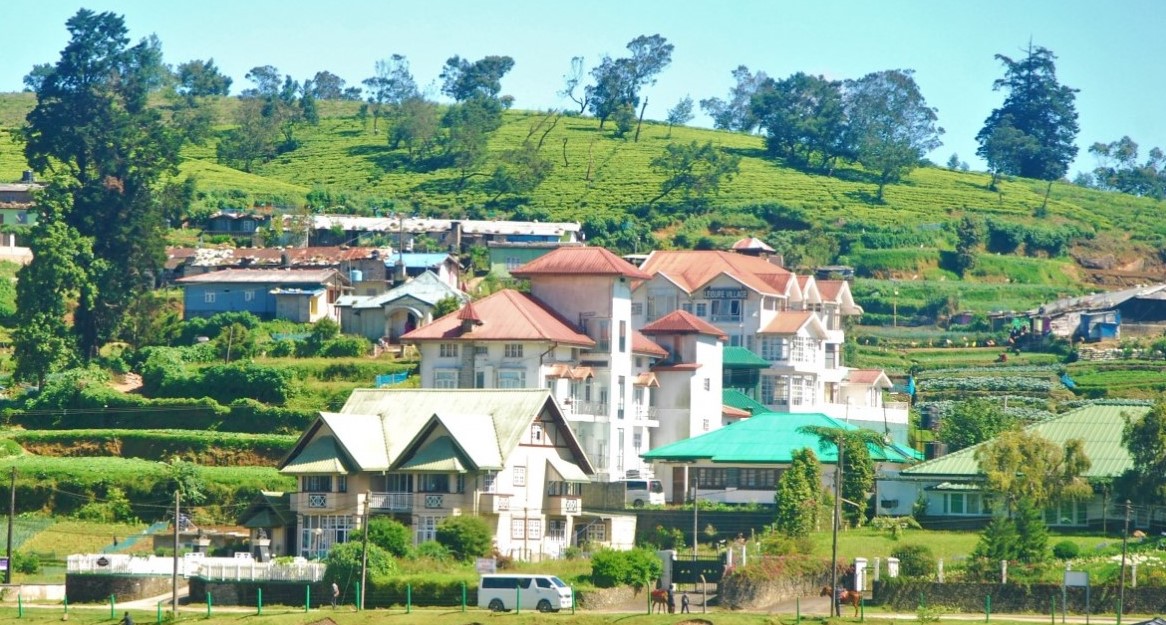
"From taro cultivation in Bogor to village tourism in Banyumas, every village has a story worth telling — and an opportunity worth sharing."
Seven areas of village knowledge
FolderDesa organizes its articles across these interconnected topics, each one grounded in real Indonesian village experience.
What you'll find on FolderDesa
Practical articles written by contributors who understand village life.
Agriculture & Cultivation
Articles on taro (talas bogor), dragon fruit, crystal guava, durian, oyster mushrooms, and tabulampot grapes — plus livestock such as dairy goats and Merino sheep.
Village-Owned Enterprises
Guides on establishing BUMDes, the differences from cooperatives, and why professional phased management matters for village economic growth.
Village Tourism
Coverage of destinations like Desa Karangkemiri in Banyumas, where outbound activities and a swimming pool helped tourism contribute Rp 50 million to village income in 2021.
Culinary Traditions
Indonesian village foods, Sundanese heritage dishes, spiced drinks, infused waters, seafood street-food ideas, and home-industry snack production.
Business Opportunities
From dried wood ear mushrooms and kopyor coconut seedlings to ecoprint crafting, bamboo crafts, and mina padi integrated rice-fish farming.
Village News & Community
Reports on social assistance programs like PKH, village governance structures, and practical tips such as safe homecoming travel during mudik season.
Setting up a solar-powered water pump for village irrigation
Reliable irrigation shapes whether a harvest succeeds or fails. In places where rain falls for only a few months each year, farmers rely on pumps to draw groundwater, fill storage tanks, and keep crops alive through dry stretches. Solar-powered systems offer a path away from costly diesel fuel and unreliable grid connections, especially in remote communities far from the nearest power line.
The technology is not new, yet the way villages adopt it has changed. Smaller solar panels, efficient DC pumps, and modular mounting kits now allow groups of households to install systems without large contractors. In the Indonesian archipelago, where thousands of villages sit on scattered islands, this shift has opened irrigation possibilities for communities that previously depended on rain-fed farming or expensive fuel deliveries.
Australian readers may see familiar parallels. Stations in the Northern Territory have experimented with solar bore pumps for livestock, and smallholder growers around Mildura and the Murray-Darling Basin wrestle with energy costs that eat into thin margins. The lessons from village-scale solar pumps therefore travel in both directions, offering models that remote Aboriginal ranger groups and Pacific neighbours alike can adapt.
This article walks through the practical steps of setting up a solar-powered water pump for irrigation, from the first site survey to long-term maintenance. It also compares equipment choices and funding routes, so village committees, local entrepreneurs, and visiting partners can plan with confidence.
Why solar pumps make sense for rural communities
Diesel pumps have powered village irrigation for decades, but fuel prices, transport logistics, and engine wear stretch already tight operating budgets. A well-sized solar array can run a pump for years with minimal running cost, freeing money that would otherwise leave the village through fuel purchases. Sunlight is predictable across most of Indonesia, with dry-season irradiance well suited to photovoltaic generation.
There is also a quality-of-life angle. Quiet electric pumps do not disturb neighbours, and they remove the need to store flammable fuel near homes. For villages near forest edges or wildlife reserves, lower emissions and noise align with conservation values. In Australia, similar reasoning has pushed pastoralists in western Queensland to swap diesel pumps for solar, especially on bores that sit hours from the homestead.
Mapping the site and water resources
Before any equipment is ordered, a careful site survey saves money and disappointment. Water table depth, seasonal fluctuation, and the recovery rate of the bore or well determine the pump type and power needed. A village technician or visiting agronomist can run a simple yield test by pumping for a set period and measuring how quickly the water level returns.
Solar exposure matters just as much. Shading from trees, buildings, or hills cuts output sharply, so the panel array should sit on open ground facing the equator. In the southern hemisphere, that means a true north orientation at a tilt close to the local latitude. Distance between the water source, storage tank, and fields also shapes pipe sizing and friction losses. A sketch map often reveals problems a contractor would charge heavily to fix.
Choosing equipment that matches local conditions
Pumps fall into two main families. Submersible pumps sit inside the well or bore and push water upward, suiting deeper water tables of twenty metres or more. Surface pumps stay above ground and work best for shallow sources such as rivers, ponds, or open wells. Solar arrays can drive either type, though DC submersible pumps pair most cleanly with panels because they avoid inverter losses.
Sizing the array is the next decision. A 500-watt pump running five hours a day needs around 750 to 1,000 watts of panel capacity to cover cloud cover and degradation. A small battery bank can smooth morning starts and evening watering, yet many village systems simply run while the sun shines, accepting that irrigation follows daylight. Comparing these choices side by side helps committees avoid over-specifying expensive hardware.
Installation, community labour, and skill sharing
Installation usually unfolds over a week or two, with villagers handling trenching, pipe laying, and panel mounting while a trained technician handles the electrical connections and pump wiring. Concrete footings for the panel frame, secure anchoring against monsoon winds, and proper cable conduit all extend system life. Local labour keeps cash inside the community and builds familiarity with the hardware.
Pairing the project with a related village enterprise spreads skills further. Some groups who have built a building a community bamboo furniture workshop, for example, find that the same teamwork and basic carpentry apply to pump housing and storage sheds. Cross-training young people in both trades strengthens the local economy beyond the irrigation scheme itself.
Maintenance, training, and local ownership
A solar pump has fewer moving parts than a diesel engine, but it is not maintenance-free. Panels need occasional cleaning, especially during dry-season dust or volcanic ash falls. Wiring should be checked for rodent damage, and pump impellers may need replacement every few years in sandy water. A simple logbook kept by the village water committee helps track performance and spot early warning signs.
Training two or three villagers as basic technicians pays for itself many times over. Short courses run by agricultural colleges, NGOs, or visiting volunteers can cover panel testing with a multimeter, fuse replacement, and pump troubleshooting. Australian TAFE colleges and bodies such as the Clean Energy Council offer remote and in-country training pathways, while volunteer programs send experienced installers during the dry season.
Funding models, payback, and comparing pump technologies
Money often decides whether a project moves from plan to reality. Village contributions of cash, labour, or local materials are commonly matched by grants from regional governments, social enterprises, or international donors. Cooperative models where several households share one pump and split the cost of pipes and tanks reduce the per-family burden. For Australian stakeholders looking to support such projects, partnerships with Indonesian BUMDes or with diaspora community groups offer accountable channels for funding.
| Pump setup | Upfront cost | Running cost | Best suited to | Lifespan |
|---|---|---|---|---|
| Diesel surface pump | Low | High (fuel, oil, spares) | Remote sites with deep wells and irregular sun | 5–10 years with regular service |
| AC submersible with grid power | Medium | Low where grid is reliable | Villages near stable electricity supply | 10–15 years |
| DC solar submersible | Medium to high | Very low after install | Off-grid sites with good sun and deep water | 10–20 years |
| AC solar with inverter | High | Low | Larger schemes needing three-phase or high flow | 12–18 years |
Whatever the path, the goal is a system that villagers can operate, repair, and eventually replace on their own terms. Practical guides on shared funding and cooperative ownership, such as the punt cluster pays walkthrough, can help committees structure cost-recovery contributions from each household that benefits from the irrigation water.
The clearest takeaway is straightforward. A solar-powered irrigation pump, planned around the village's own water table, sun exposure, and crop needs, can deliver decades of reliable water with very little ongoing expense. Pair the hardware with trained local hands, a simple maintenance routine, and a fair cost-sharing model, and the system becomes more than a machine. It becomes a shared piece of village infrastructure that supports food security, local enterprise, and a stronger rural economy for years to come.

Questions or story ideas from your village?
FolderDesa welcomes readers who want to share village experiences or learn more about the topics covered on the site.
Visit the Contact Page