
FolderDesa brings together practical knowledge on farming, village-owned enterprises, culinary traditions, rural tourism, and small-business ideas — all rooted in the everyday life of Indonesian villages.
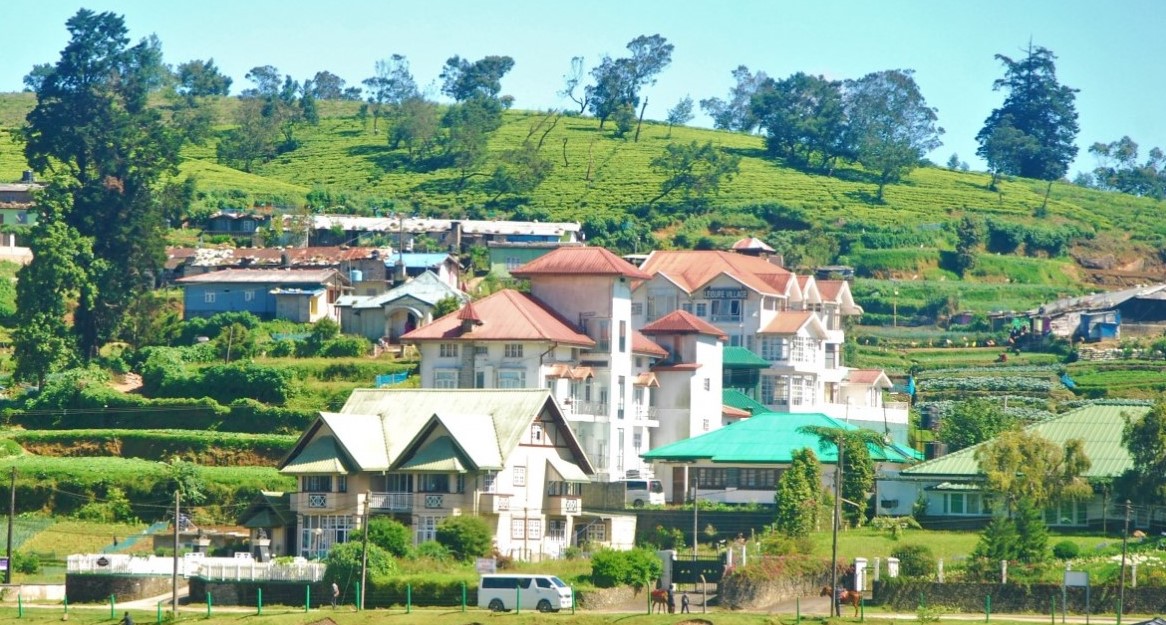
"From taro cultivation in Bogor to village tourism in Banyumas, every village has a story worth telling — and an opportunity worth sharing."
Seven areas of village knowledge
FolderDesa organizes its articles across these interconnected topics, each one grounded in real Indonesian village experience.
What you'll find on FolderDesa
Practical articles written by contributors who understand village life.
Agriculture & Cultivation
Articles on taro (talas bogor), dragon fruit, crystal guava, durian, oyster mushrooms, and tabulampot grapes — plus livestock such as dairy goats and Merino sheep.
Village-Owned Enterprises
Guides on establishing BUMDes, the differences from cooperatives, and why professional phased management matters for village economic growth.
Village Tourism
Coverage of destinations like Desa Karangkemiri in Banyumas, where outbound activities and a swimming pool helped tourism contribute Rp 50 million to village income in 2021.
Culinary Traditions
Indonesian village foods, Sundanese heritage dishes, spiced drinks, infused waters, seafood street-food ideas, and home-industry snack production.
Business Opportunities
From dried wood ear mushrooms and kopyor coconut seedlings to ecoprint crafting, bamboo crafts, and mina padi integrated rice-fish farming.
Village News & Community
Reports on social assistance programs like PKH, village governance structures, and practical tips such as safe homecoming travel during mudik season.
Building Aquatic Plant Ponds for Village Wastewater Treatment
Across many Indonesian villages, household wastewater still flows untreated into ditches, rivers, and rice paddies. The result is foul-smelling canals, contaminated groundwater, and frequent illness among families who rely on the same water for washing and cooking. A simple, low-cost answer is a planted treatment pond that uses aquatic plants and natural bacteria to clean greywater before it rejoins the environment.
The approach is not unique to Indonesia. In Australia, cities such as Melbourne and Perth have used constructed wetlands for decades, partly because freshwater is scarce and environmental regulations are strict. Drawing on those experiences, rural communities in places like Java, Sumatra, and Sulawesi can build similar systems with local materials, local labour, and plants that thrive in tropical conditions.
How Plant-Based Treatment Ponds Work
The science behind these systems is straightforward. Wastewater enters a shallow basin filled with gravel, soil, and rooted plants. Bacteria colonise the roots and substrate, breaking down organic matter, while the plants absorb dissolved nutrients such as nitrogen and phosphorus. The cleaned water then flows into a final pond where it settles and can be reused for irrigation.
In tropical climates the process moves faster because warm temperatures help microbes thrive. Common plant choices across Southeast Asia include water hyacinth, water lettuce, and tall reeds such as Phragmites, all of which tolerate polluted water and grow vigorously. Because they grow quickly, they must be harvested regularly, which doubles as a maintenance task and a source of compost or fodder.
A well-designed pond is more than a filter. It becomes a small ecosystem that supports fish, frogs, and birds, turning a sanitation problem into a piece of living landscape. Village officials in West Java and South Sulawesi have already piloted these systems with backing from local universities and environmental NGOs.
Choosing Plants and Designing the Layout
Before digging, the community should agree on what kind of wastewater the pond will receive. Greywater from kitchens, bathrooms, and laundry is far easier to treat than sewage mixed with toilet waste, so many villages start with greywater only and expand later if funds allow.
The basic layout has three zones. The first is a settling pond where solids sink to the bottom. The second is a planted treatment cell where most cleaning happens. The third is a polishing pond where the water rests before being released or reused. Each zone benefits from a slightly different plant mix, depending on depth and flow.
| Plant species | Best zone | Strength | Watch out for |
|---|---|---|---|
| Water hyacinth | Polishing pond | Fast nutrient uptake | Can become invasive if not harvested |
| Phragmites reed | Treatment cell | Strong root filtration | Needs annual cutting |
| Canna lily | Treatment edge | Tolerates fluctuating water levels | Less effective in deep water |
| Taro | Inlet area | Handles high organic load | Prefers stable, shallow conditions |
Depth usually sits between 30 and 60 centimetres. Shallower water warms up faster and allows plants to root firmly, but it also encourages mosquitoes, so adding a few mosquito fish in each cell solves that problem without chemicals.
Building the Pond Step by Step
The first practical step is choosing a site that sits downhill from the houses but uphill from any drinking water source. A slope of one to two per cent lets water move by gravity alone, which keeps running costs close to zero and means no electricity is needed.
Once the spot is agreed, the ground is shaped into shallow basins. A clay liner or a thick plastic sheet prevents wastewater from seeping into groundwater. Gravel is laid on top, followed by a layer of soil, and then the plants. Inlet and outlet channels, often made from old buckets or PVC pipe, connect the basins and control how fast water moves from one cell to the next.
In Australia, designers working on wetlands around Sydney's Olympic Park use the same gravity-based layout because it works in any climate. Reference materials from community environmental projects often describe similar layouts adapted to different regions, which can guide planning in tropical villages. Planting should begin at the start of the rainy season so roots establish quickly, and within two to three months the system is usually mature enough to handle household flows from a cluster of homes.
Maintenance and Community Rules
A planted pond needs care, but not much. The most important tasks are simple visual checks and seasonal harvesting, both of which can be shared among a small group of villagers.
Daily and weekly care:
- Check the inlet for blockages from leaves, cloth, or plastic
- Look for pooling water that signals a clogged outlet
- Remove any solid waste that has not broken down
- Note the colour and smell of the water in each cell
Seasonal harvesting and reuse:
- Cut back reeds and water hyacinth every two to three months
- Compost the green material or feed it to cattle and goats
- Use excess plant matter as mulch in the village garden
- Save a portion for nursery sales or seedling exchange
Clear written rules help protect the system. A village in Central Kalimantan, for example, agreed that no one would dump paint, engine oil, or harsh cleaning chemicals into the pond. Posting simple signs near each inlet reminds residents of these rules and reduces the chance of accidental contamination. Water testing once or twice a year, through a local health office or university lab, confirms the treated water is safe for irrigation, the same approach used in regional Australian towns like Ballarat and Cairns.
From Sanitation to Small Business
A working treatment pond does more than protect rivers. Treated water can support a vegetable garden, a fish pond, or even a small hydroponic unit behind the village hall. Surplus plants harvested from the pond can be sold as animal fodder or as organic matter for local nurseries.
For a village-owned enterprise, the system becomes a way to demonstrate environmental responsibility while generating modest income. Local governments and NGOs often look more favourably on proposals from villages that already manage their own sanitation, opening doors to grants and training.
Anyone interested in turning a sanitation project into a structured business plan can explore peluang usaha for examples of village enterprises that have grown from small beginnings. Combining wastewater treatment with a productive landscape gives the community both clean water and a visible economic return, which is often the strongest argument for long-term upkeep.
Gather three or four neighbours this weekend and walk the land together to sketch where the pond might sit. Bring the sketch to the next village meeting, agree on a Saturday for the first digging, and aim to finish the settling basin before the heavy rains begin.

Questions or story ideas from your village?
FolderDesa welcomes readers who want to share village experiences or learn more about the topics covered on the site.
Visit the Contact Page