
FolderDesa brings together practical knowledge on farming, village-owned enterprises, culinary traditions, rural tourism, and small-business ideas — all rooted in the everyday life of Indonesian villages.
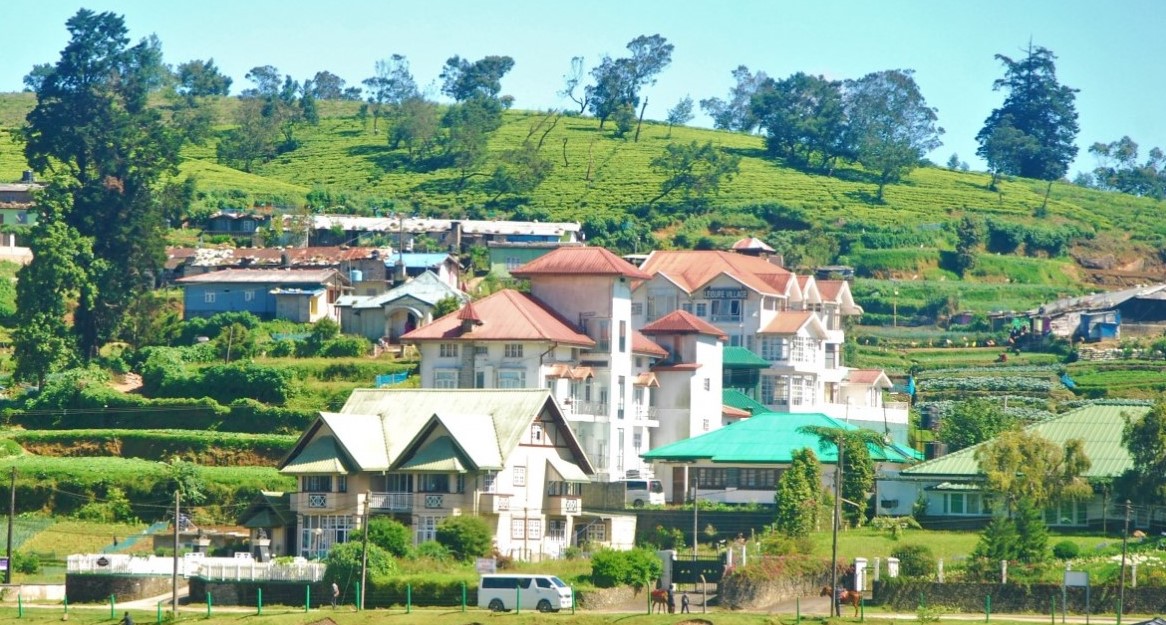
"From taro cultivation in Bogor to village tourism in Banyumas, every village has a story worth telling — and an opportunity worth sharing."
Seven areas of village knowledge
FolderDesa organizes its articles across these interconnected topics, each one grounded in real Indonesian village experience.
What you'll find on FolderDesa
Practical articles written by contributors who understand village life.
Agriculture & Cultivation
Articles on taro (talas bogor), dragon fruit, crystal guava, durian, oyster mushrooms, and tabulampot grapes — plus livestock such as dairy goats and Merino sheep.
Village-Owned Enterprises
Guides on establishing BUMDes, the differences from cooperatives, and why professional phased management matters for village economic growth.
Village Tourism
Coverage of destinations like Desa Karangkemiri in Banyumas, where outbound activities and a swimming pool helped tourism contribute Rp 50 million to village income in 2021.
Culinary Traditions
Indonesian village foods, Sundanese heritage dishes, spiced drinks, infused waters, seafood street-food ideas, and home-industry snack production.
Business Opportunities
From dried wood ear mushrooms and kopyor coconut seedlings to ecoprint crafting, bamboo crafts, and mina padi integrated rice-fish farming.
Village News & Community
Reports on social assistance programs like PKH, village governance structures, and practical tips such as safe homecoming travel during mudik season.
Building a Village Rice Mill Cooperative for Smallholder Farmers
Smallholder rice farmers across the Indonesian archipelago handle most of the harvest by hand, drying grain on roadside tarpaulins and hauling sacks to travelling millers who take a hefty cut of the paddy as payment. The result is predictable: lower prices at the farm gate, inconsistent rice quality, and grain lost to pests and weather before it ever reaches a buyer. Setting up a village rice mill cooperative offers a practical way for farmers to keep more of the value from their own work, but the model only succeeds when it is built carefully, with clear rules and shared ownership from day one.
For Australian readers, the idea is familiar. Growers around Griffith and Leeton in the Riverina have long pooled resources through cooperatives to store, grade, and market their rice, creating bargaining power that no individual farm could match on its own. Watching how a similar structure takes root in an Indonesian village, with its own legal quirks and social rhythms, is a useful study in how collective enterprise adapts to local conditions.
The post-harvest gap a cooperative fills
When a farmer harvests two tonnes of paddy and has no nearby milling facility, several costs stack up immediately. Transport to the nearest town mill eats fuel and time. The miller may pay below market rate, or pay in milled rice rather than cash, forcing the farmer to sell again at a loss. Storage in improvised sheds invites weevils and mould, and any grain that spoils simply disappears from the household income.
A cooperative mill reverses these pressures by bringing the service to the village. Members pay a modest milling fee instead of surrendering a portion of the crop, and the surplus rice can be stored in proper silos until prices improve. The cooperative can also bulk-purchase inputs like fertiliser and bags, lowering costs that individual farmers could never negotiate alone.
Legal foundations and member structure
A rice mill cooperative in Indonesia is usually registered as a Koperasi Unit Desa or as a more modern village cooperative under recent regulations. Members contribute shares, which can be as low as the price of a few kilograms of rice per harvest, and each member holds one vote at the annual meeting regardless of how many shares they own. This one-member-one-vote rule separates a cooperative from a private company and keeps the enterprise accountable to farmers rather than outside investors.
A clear founding document should spell out the mill's purpose, how profits are distributed, usually partly as patronage refunds based on how much each member used the service and partly reinvested, and how the board is elected. Experienced facilitators can walk new groups through these rules, and readers wanting to begin their own planning can reach the editorial team through kontak for tailored guidance.
Choosing equipment and a site
The heart of the operation is the milling machine itself. For a village serving 80 to 150 farming families, a combined unit that cleans, de-stones, husks, polishes, and grades the rice in a single pass is usually the right scale. Cheaper machines exist, but they crack grains, which lowers the market price and disappoints buyers.
Site selection matters as much as the machine. The mill should sit near a sealed road for truck access, close to a reliable water source, and away from flood-prone paddy fields. A small office, a concrete drying floor, and a lockable storage room for finished rice should be budgeted in from the start.
Essential equipment for a small village mill:
- Combined paddy cleaner, de-stoner, and rubber-roll husker
- Polisher with length and density grader
- Moisture meter and calibrated weighing scales
- Hermetic storage bags or a small silo
Raising capital and managing cash flow
Most village cooperatives start with a mix of member shares, a modest government grant, and sometimes a loan from a local credit union or microfinance institution. Australian readers familiar with the CBH Group in Western Australia will recognise the pattern: growers put in their own money first, which signals commitment, then leverage that stake to attract outside support.
It is wise to keep the initial scale modest. A mill that processes two to three tonnes per day costs a fraction of a full industrial plant, and the cooperative can always upgrade once cash flow stabilises. Setting aside a percentage of every milling fee into a maintenance fund prevents the common tragedy of a brand-new machine falling silent within three years because bearings or belts were never replaced.
Governance and day-to-day operations
A cooperative runs on meetings, and the first two years involve more of them than anyone expects. Monthly board meetings, a quarterly review of accounts, and an annual general meeting where members vote on surplus distribution are all standard practice. Transparency is everything; once members suspect that fees are disappearing, participation collapses.
Hiring a trained operator, ideally someone from the village who has worked at a larger mill elsewhere, makes a huge difference. Paying that operator a proper salary rather than a casual daily rate reduces turnover and protects the equipment. In the Australian bush, growers would say you back the operator who turns up with a tool kit, not just a promise.
Governance practices that keep a co-op honest:
- Publish a simple monthly income and expense statement on the village notice board
- Require two signatures on any withdrawal above a set threshold
- Rotate the treasurer role every two years
- Invite an outside auditor to review the books once a year
Reaching wider buyers and regional markets
Once the mill is producing a steady stream of clean, well-graded rice, the cooperative can look beyond the village. Buyers in nearby cities, school feeding programs, and even exporters want consistent supply, which a single farm cannot guarantee but a cooperative can.
Building these relationships takes time. A board member should be tasked with visiting potential buyers monthly, bringing samples, and collecting feedback on quality. Some cooperatives invest in simple packaging so they can sell branded rice directly to small shops, capturing more of the retail price for the growers themselves.
Lessons from Australian cooperative history
Riverina rice growers learned the hard way in the 1990s and 2000s that demutualising a cooperative, turning it into a shareholder company, can strip power away from the growers who built it. Indonesian village mills would do well to keep that lesson close. The cooperative structure only protects smallholders if it stays a cooperative.
Australian volunteers, agricultural scientists, and Indonesian-Australian business owners in Melbourne and Sydney can play a quiet but useful role by sharing governance templates, helping with quality testing protocols, or simply visiting a partner village during a trip home. The relationship does not need to be formal to be valuable.
The success of a village rice mill cooperative rests on three things: shared ownership that farmers actually control, transparent accounting that survives scrutiny, and patient capital that does not demand early payouts. Get those right, and the mill becomes more than a machine in a shed. It becomes the anchor for a stronger rural economy, one harvest at a time.

Questions or story ideas from your village?
FolderDesa welcomes readers who want to share village experiences or learn more about the topics covered on the site.
Visit the Contact Page