
FolderDesa brings together practical knowledge on farming, village-owned enterprises, culinary traditions, rural tourism, and small-business ideas — all rooted in the everyday life of Indonesian villages.
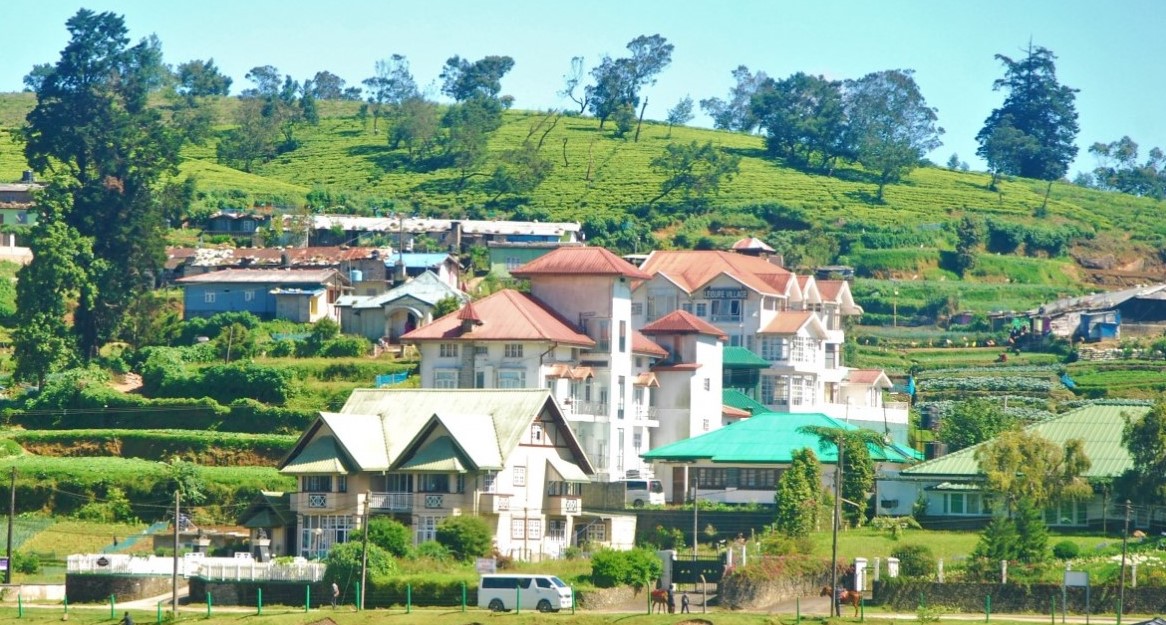
"From taro cultivation in Bogor to village tourism in Banyumas, every village has a story worth telling — and an opportunity worth sharing."
Seven areas of village knowledge
FolderDesa organizes its articles across these interconnected topics, each one grounded in real Indonesian village experience.
What you'll find on FolderDesa
Practical articles written by contributors who understand village life.
Agriculture & Cultivation
Articles on taro (talas bogor), dragon fruit, crystal guava, durian, oyster mushrooms, and tabulampot grapes — plus livestock such as dairy goats and Merino sheep.
Village-Owned Enterprises
Guides on establishing BUMDes, the differences from cooperatives, and why professional phased management matters for village economic growth.
Village Tourism
Coverage of destinations like Desa Karangkemiri in Banyumas, where outbound activities and a swimming pool helped tourism contribute Rp 50 million to village income in 2021.
Culinary Traditions
Indonesian village foods, Sundanese heritage dishes, spiced drinks, infused waters, seafood street-food ideas, and home-industry snack production.
Business Opportunities
From dried wood ear mushrooms and kopyor coconut seedlings to ecoprint crafting, bamboo crafts, and mina padi integrated rice-fish farming.
Village News & Community
Reports on social assistance programs like PKH, village governance structures, and practical tips such as safe homecoming travel during mudik season.
Setting Up A Village Honey Apiary For Extra Income
A small honey bee apiary can give an Indonesian village a useful secondary income while supporting crop pollination and local employment. Honey, beeswax, propolis, pollen, bees, and simple visitor experiences can all become products when colonies are managed carefully. The strongest projects usually begin with a few healthy hives rather than a large investment.
For an Australian audience, the idea is also relevant to rural families, community groups, and landholders near regional centres such as Toowoomba, Bendigo, Cairns, and Adelaide. Demand for local honey is visible at farmers’ markets, farm gates, independent grocers, and weekend community events. Shoppers often value traceability, native floral sources, and small-batch processing.
An apiary still needs practical planning. Bees require forage throughout the year, protection from heat and flooding, regular inspections, and good records. The operator must also understand state or territory rules, food safety requirements, and biosecurity risks before selling honey beyond the household.
Choosing A Suitable Apiary Site
A good site has flowering plants within flying distance, clean water nearby, morning sunlight, and some afternoon shade. Avoid areas beside busy footpaths, school entrances, livestock yards, or neighbouring houses. A fence or hedge can encourage bees to rise above head height soon after leaving the hive.
In Indonesian villages, flowering crops, coconut, rambutan, coffee, rubber, and forest plants may provide useful forage at different times. In Australia, eucalyptus, citrus, tea tree, macadamia, and native wildflowers can support colonies, although flowering varies by region and season. A dry inland property may need more supplementary feeding than a coastal or high-rainfall site.
Check whether farm chemicals are used nearby. Pesticide spraying during flowering can kill foraging bees, so communication with crop growers is essential. The apiary should also stand on firm, well-drained ground, with enough space for inspection and vehicle access without disturbing residents.
Starting With Equipment And Healthy Colonies
A beginner generally needs hive boxes, frames, a bottom board, lid, stand, smoker, hive tool, protective veil, gloves, and food-grade containers. Used equipment can reduce costs, but old comb may carry disease or chemical residues. Buy colonies and queens from a reputable supplier, and inspect the bees before transport.
Start with two or three colonies so the beekeeper can compare their strength and share resources when necessary. A strong colony has a laying queen, regular brood, stored food, and enough worker bees. Weak colonies are harder to manage and may fail during wet, cold, or dearth periods.
Income planning should include packaging, transport, replacement queens, pest treatment, protective clothing, and occasional technical advice. A village food enterprise can also share equipment: beeswax may become candles, while a separate producer can turn local ingredients into products through tofu making, creating a broader basket of village goods.
Meeting Australian Rules And Biosecurity Duties
Australian beekeepers must follow the requirements of their state or territory. Registration, hive identification, movement permits, disease reporting, and inspection rules can differ between New South Wales, Victoria, Queensland, Western Australia, South Australia, Tasmania, and the territories. Varroa mite incursions have made movement controls and surveillance especially important in affected regions.
Before purchasing bees, contact the relevant agricultural or primary industries department and learn the local apiary code. New operators should understand how to recognise American foulbrood, European foulbrood, small hive beetle, wax moth, and varroa mite. Do not move colonies, frames, or honey equipment across restricted zones without checking current requirements.
Honey sold to the public must also meet food safety and labelling obligations. Requirements can involve the Food Standards Code, state food laws, batch identification, net weight, contact details, and claims about floral origin. A clean extraction room, washable surfaces, pest control, and traceable containers help protect customers and the business.
Managing Colonies Through The Seasons
Regular inspections should be calm, brief, and recorded. Look for queen activity, brood pattern, food stores, swarm cells, pests, damaged comb, and signs of overheating or moisture. Australian seasons vary widely: a Queensland colony may face heat and humidity, while a Victorian colony may need careful winter preparation.
Beekeepers should plan for nectar gaps rather than harvest every available frame. Leaving adequate honey for the colony is essential, and supplementary feed should be used only when appropriate. Shade cloth, ventilation, water stations, and secure hive stands can reduce stress during hot weather.
Routine checks may include:
- Queen and brood condition
- Food stores and empty comb
- Hive pests and disease signs
- Water, shade, and stand stability
Useful records include:
- Inspection date and colony strength
- Treatments and feeding
- Honey harvest and batch number
- Hive movements and weather conditions
Building Sales Beyond A Jar Of Honey
Raw honey can be sold in 250-gram and 500-gram jars, with packaging suited to farm-gate sales, local shops, or farmers’ markets in Sydney, Melbourne, Brisbane, and regional towns. Clear labelling and a consistent flavour story can help a small producer stand apart from cheaper blended honey. Avoid unsupported health claims, as they can create regulatory problems.
Additional products include beeswax wraps, candles, lip balms, propolis items, nucleus colonies, queen bees, and pollination services. In areas near tourist routes, a short apiary visit or honey-tasting session may work, provided visitors are protected and the activity meets insurance and local safety requirements.
Australian households often shop at weekend markets and use online ordering for local produce. A simple social media page showing flowering seasons, harvest dates, and responsible beekeeping can build trust. Restaurants, cafés, independent grocers, and gift shops may become repeat buyers if supply is reliable.
Making The Apiary A Village Enterprise
A village apiary becomes stronger when duties are shared. One person can inspect colonies, another can manage extraction and hygiene, while others handle labels, market stalls, bookkeeping, or visitor arrangements. A cooperative structure can make protective equipment and an extractor affordable for several households.
Village officials or a BUMDes-style enterprise can support training, land access, small loans, and shared storage. Written agreements should cover ownership of colonies, labour payments, harvest distribution, equipment damage, and responsibilities when a beekeeper leaves. Guidance on organising a village can help leaders create clearer roles and transparent decisions.
Begin with a modest pilot: place a few registered hives on a safe site, keep detailed records for one full flowering cycle, and sell only what can be processed safely. The practical takeaway is simple: choose healthy colonies, protect forage and biosecurity, follow local food rules, and grow the apiary only after the first harvest proves both manageable and profitable.

Questions or story ideas from your village?
FolderDesa welcomes readers who want to share village experiences or learn more about the topics covered on the site.
Visit the Contact Page