
FolderDesa brings together practical knowledge on farming, village-owned enterprises, culinary traditions, rural tourism, and small-business ideas — all rooted in the everyday life of Indonesian villages.
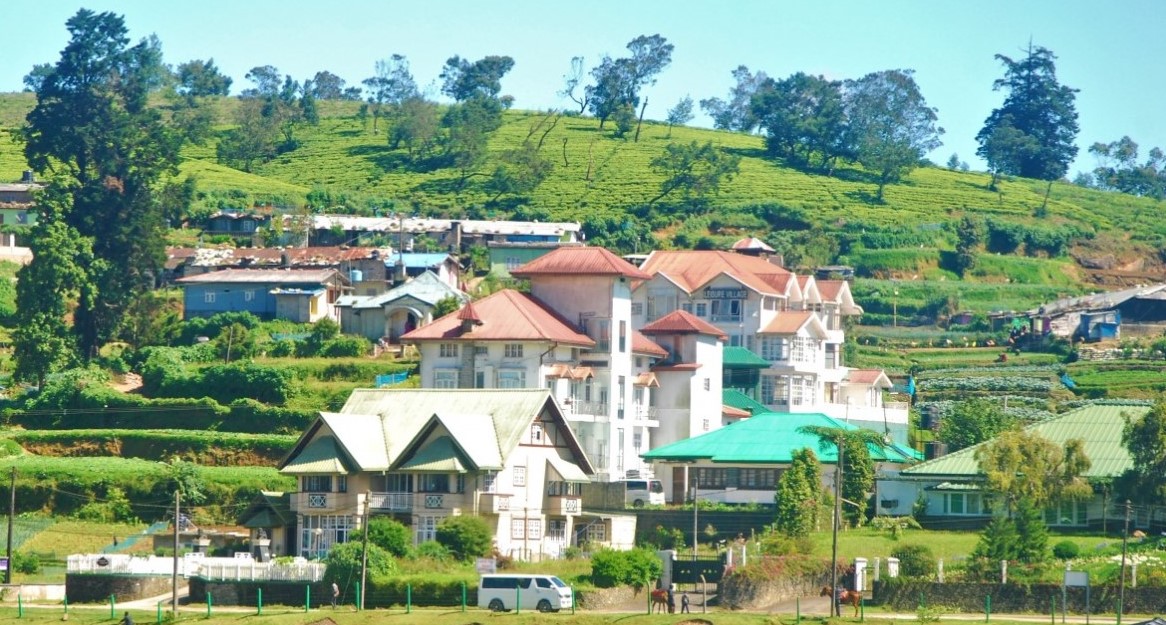
"From taro cultivation in Bogor to village tourism in Banyumas, every village has a story worth telling — and an opportunity worth sharing."
Seven areas of village knowledge
FolderDesa organizes its articles across these interconnected topics, each one grounded in real Indonesian village experience.
What you'll find on FolderDesa
Practical articles written by contributors who understand village life.
Agriculture & Cultivation
Articles on taro (talas bogor), dragon fruit, crystal guava, durian, oyster mushrooms, and tabulampot grapes — plus livestock such as dairy goats and Merino sheep.
Village-Owned Enterprises
Guides on establishing BUMDes, the differences from cooperatives, and why professional phased management matters for village economic growth.
Village Tourism
Coverage of destinations like Desa Karangkemiri in Banyumas, where outbound activities and a swimming pool helped tourism contribute Rp 50 million to village income in 2021.
Culinary Traditions
Indonesian village foods, Sundanese heritage dishes, spiced drinks, infused waters, seafood street-food ideas, and home-industry snack production.
Business Opportunities
From dried wood ear mushrooms and kopyor coconut seedlings to ecoprint crafting, bamboo crafts, and mina padi integrated rice-fish farming.
Village News & Community
Reports on social assistance programs like PKH, village governance structures, and practical tips such as safe homecoming travel during mudik season.
Running a village catering for company outings
Running a village catering operation for company outings turns a group journey into a shared meal experience. In many Indonesian communities, a BUMDes, farmers’ group or women’s cooperative can organise the food, using produce from nearby fields and kitchens shared by residents. The offer may include morning tea, a long-table lunch, drinks, serving staff and cleanup at a homestay, village hall or roadside stop.
An Australian client needs more than a list of dishes. Organisers usually expect clear costs in Australian dollars, punctual delivery, allergy information and reliable meals during a full-day coach trip. The village team should preserve local flavour while designing food, service and contingency plans that meet these expectations without turning the outing into a generic hotel buffet.
Match meals to the company itinerary
Start with the organiser’s day sheet rather than the menu. Record the number of guests, arrival and departure times, coach layout, route, meal slots, available equipment and the person authorised to approve changes. A group leaving a central Sydney or Melbourne office may travel before peak traffic and want lunch at noon, while a regional group may reach the village after a longer transfer.
Build the food plan around movement. Morning tea can be ready before the coach arrives, lunch can begin in two sittings, and portable snacks can cover a delayed return. Ask whether the bus can stop directly at the venue, whether passengers need shade or accessible toilets, and whether the company will split into smaller groups for activities.
Collect dietary requirements in writing. Australian guests may identify as vegan, vegetarian, gluten-free or allergic to peanuts, shellfish, dairy or soy, while Indonesian menus often contain eggs, shrimp paste, soy sauce and sambal. Record the dish, ingredient and severity of each restriction, then have the kitchen confirm what can be served separately.
Build a locally rooted menu
Use local ingredients as the foundation: rice, cassava, vegetables, fruit, chicken, eggs, tempeh, tofu, fish or beef according to the season and supply. A menu built around village farms gives the outing a sense of place and keeps money circulating nearby. It should also suit a shared kitchen, since elaborate dishes can slow service and create waste.
Offer familiar formats without stripping away regional character. Stuffed peppers, vegetable curry, tofu, grilled corn or a simple noodle station can sit beside satay, gado-gado and sambal. Australians are accustomed to plentiful supermarket options from Woolworths and Coles, so clear descriptions help. Explain unfamiliar fillings, separate sweet sauces from savoury ones, and identify spicy dishes accurately. FolderDesa’s village enterprise background also provides useful context on village organisations and their role in local livelihoods.
Keep the menu shorter than a full banquet. Two main choices, rice, one vegetable, fruit and a small sweet dish often serve a group better than ten trays. Plan how ingredients move from farm or market to kitchen, who prepares them, and how dishes remain covered in heat and humidity. For dietary needs, use separate utensils and serving areas; do not label a dish allergen-free when shared equipment creates a risk.
Price the service for an Australian client
Quote the cost transparently in rupiah and, if useful, provide an Australian-dollar equivalent with a short validity period. State whether the price includes delivery, tables, chairs, crockery, water, ice, cooking fuel, staff, setup, cleanup and waste removal. Compare the result with Australian benchmarks, such as the AUD 35–70 per person commonly considered for a staffed corporate lunch in Sydney or Melbourne, while explaining that travel, venue and service differences make this a comparison rather than a direct match.
Set deposit and cancellation terms that reflect ingredient purchases and staffing. A deposit may secure the date, while the final head count should be due a stated number of days beforehand. Australian finance teams often ask whether tax is included and whether the invoice supports an expense claim. Do not promise a GST invoice unless the Indonesian supplier can legally provide the relevant documentation.
Tipping is not normally expected in Indonesian service, although an Australian group may want to recognise good work. If a gratuity is proposed, decide beforehand whether it belongs to staff, a shared community fund or the caterer. Avoid hiding it inside the quoted price. A clear breakdown protects both the visitor and the village team when exchange rates or guest numbers change the final amount.
Coordinate transport, timing and service
Create one operational contact and one shared run sheet. WhatsApp works for quick updates, but also carry printed copies of the order, menu, guest numbers, emergency contacts and payment record. Mobile coverage can be weak in farming areas, and a power cut may affect refrigeration, lighting or payment terminals. Test the site beforehand and identify backup power, cold storage and an alternative indoor space.
Allow a generous traffic buffer. Rain, a village event, roadworks or livestock can turn a short distance into a slow transfer. A resource about another regional journey, such as Route 22 travel guide, can illustrate why stops and buffers matter, although the village team must verify Indonesian road conditions directly.
Design service for the coach group. A single crowded buffet can cause queues, so pre-plate box meals for early departures or divide large groups into timed rounds. Keep hot food in covered containers, chill drinks promptly and assign one person to each station. Separate alcohol from the family-style meal; in Indonesia it should be served only where licensing and local rules allow, with alcohol-free options readily available.
Protect food safety and community value
Food safety needs village-specific controls. Use potable water, cleanable surfaces, handwashing supplies and covered storage. Keep cold food chilled and hot food hot, record temperatures where practical, and prevent cooked items from resting near raw ingredients. Inspect the kitchen for pests, wastewater and electrical hazards before accepting a large order.
Make the community benefit explicit. Pay farmers and suppliers on time, agree a fair rate for kitchen workers, and show how the booking supports the BUMDes or cooperative rather than an individual organiser. Credit the village and cooks by name when permission is given. Ask guests not to photograph residents or enter homes unless the people pictured have agreed, especially when the visit includes children, religious spaces or customary activities.
After the event, review the numbers and the experience. Record unused food, broken equipment, incidents, serving delays and organiser feedback, then settle supplier payments. Share a short report with the village committee so the next booking becomes more efficient. This creates a service standard based on actual operations rather than assumptions imported from an Australian city.
A useful first engagement is a small trial meal for the organiser and several guests, using the real route, timing and cooking conditions rather than a showroom tasting.
The concrete next step is to complete a one-page trial brief containing the date, guest count, route, meal slots, dietary requirements, budget and decision deadline, then hold a 30-minute review with the village kitchen and the Australian organiser.

Questions or story ideas from your village?
FolderDesa welcomes readers who want to share village experiences or learn more about the topics covered on the site.
Visit the Contact Page