
FolderDesa brings together practical knowledge on farming, village-owned enterprises, culinary traditions, rural tourism, and small-business ideas — all rooted in the everyday life of Indonesian villages.
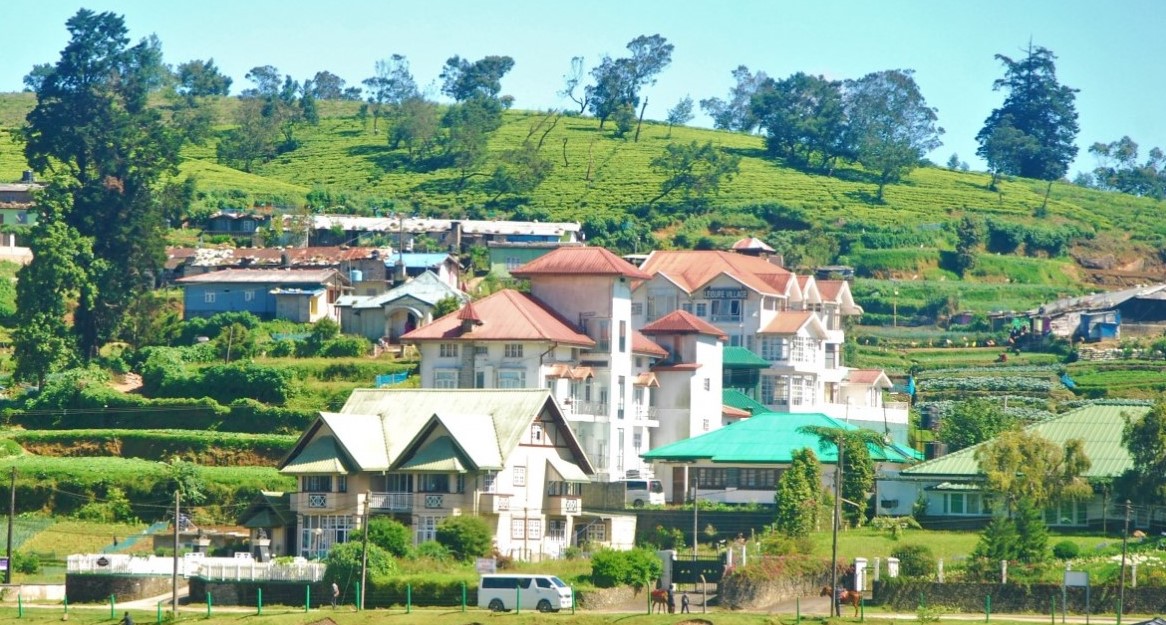
"From taro cultivation in Bogor to village tourism in Banyumas, every village has a story worth telling — and an opportunity worth sharing."
Seven areas of village knowledge
FolderDesa organizes its articles across these interconnected topics, each one grounded in real Indonesian village experience.
What you'll find on FolderDesa
Practical articles written by contributors who understand village life.
Agriculture & Cultivation
Articles on taro (talas bogor), dragon fruit, crystal guava, durian, oyster mushrooms, and tabulampot grapes — plus livestock such as dairy goats and Merino sheep.
Village-Owned Enterprises
Guides on establishing BUMDes, the differences from cooperatives, and why professional phased management matters for village economic growth.
Village Tourism
Coverage of destinations like Desa Karangkemiri in Banyumas, where outbound activities and a swimming pool helped tourism contribute Rp 50 million to village income in 2021.
Culinary Traditions
Indonesian village foods, Sundanese heritage dishes, spiced drinks, infused waters, seafood street-food ideas, and home-industry snack production.
Business Opportunities
From dried wood ear mushrooms and kopyor coconut seedlings to ecoprint crafting, bamboo crafts, and mina padi integrated rice-fish farming.
Village News & Community
Reports on social assistance programs like PKH, village governance structures, and practical tips such as safe homecoming travel during mudik season.
Preserving village recipes through a community cookbook
Traditional food carries practical knowledge about local crops, seasons, ceremonies, and household economy. A recipe for fermented cassava, river fish, sambal, or a festive rice dish often contains more than a list of ingredients. It records how families adapted to their landscape and passed skills from one generation to the next.
A village cookbook project can preserve this knowledge while creating useful opportunities for farmers, home cooks, youth groups, women’s associations, BUMDes, and rural tourism managers. The result does not need to look like a commercial food magazine. It should be an accurate, accessible record that reflects the voices and tastes of the community.
The strongest cookbook projects begin with listening. Elders may remember measurements by sight, sound, or texture, while younger contributors can help record, photograph, edit, and publish the material. Together, they can turn everyday cooking into a shared village archive.
Why local recipes deserve to be documented
Many traditional recipes are vulnerable because they are transmitted orally. When a skilled cook moves away or stops preparing a dish, details about ingredients, preparation, and timing may disappear. A written and visual record gives families a practical reference without replacing the living tradition behind it.
Recipes also reveal local biodiversity. A dish may depend on a particular banana variety, heirloom rice, wild herb, freshwater fish, or seasonal vegetable. Recording these ingredients can encourage residents to protect local food sources and help visitors understand why village cuisine differs from one region to another.
Documentation should include variations rather than declaring one version the only authentic recipe. Different hamlets and families may use different spices or cooking methods. Describing these differences respectfully makes the cookbook richer and prevents disagreements from becoming obstacles to participation.
Start with people, places, and food memories
A small organizing team can begin by mapping cooks, farmers, market sellers, cultural groups, and residents known for preparing ceremonial food. Village officials or a BUMDes can provide meeting space, while schools and youth organizations can assist with interviews and digital files.
Each interview should capture the recipe’s name, local names for ingredients, preparation steps, cooking tools, serving occasions, and personal memories. Ask when the dish is usually made, where ingredients come from, and how the recipe changes when a certain ingredient is unavailable. These details give readers context and make the cookbook useful beyond a single kitchen.
Photographs should show ingredients, tools, hand techniques, and the finished dish. With permission, record short videos of difficult processes such as pounding spices, wrapping food in leaves, fermenting, or controlling heat over a wood-fired stove. Written notes remain essential because images alone may not explain quantities, safety, or timing.
Turn oral knowledge into usable recipes
Traditional cooks often measure with a handful, a pinch, or a coconut shell. Rather than forcing every recipe into modern measurements, the project can record both systems. A recipe might state “two handfuls of shallots,” followed by an approximate weight determined during a test cooking session.
Testing should involve the original cook and at least one person unfamiliar with the method. The first can protect the character of the dish, while the second can identify unclear instructions. Editors should note whether ingredients are peeled, sliced, toasted, soaked, or ground, since these steps can significantly affect flavor.
Food safety deserves careful attention. Include guidance for washing produce, storing cooked food, handling raw meat or fish, and recognizing safe fermentation conditions. If a recipe uses an uncommon plant or traditional preservation method, consult a local health worker or agricultural extension officer before publishing broad consumption advice.
Choose a format that serves the village
A printed cookbook may work well for households, community libraries, schools, homestays, and village events. A digital edition can be shared through messaging groups and social media, updated more easily, and linked to videos or audio interviews. Producing both versions gives residents options without making technology a requirement.
| Format | Best use | Strength | Important consideration |
|---|---|---|---|
| Printed booklet | Homes, schools, markets, homestays | Easy to browse and share offline | Printing and distribution costs |
| PDF cookbook | Messaging groups and online archives | Inexpensive to update and circulate | Some residents may have limited internet access |
| Recipe cards | Cooking demonstrations and product sales | Simple, practical, and portable | Less space for cultural background |
| Short video archive | Complex techniques and oral histories | Shows movement, texture, and voice | Requires consent, storage, and basic editing |
| Bilingual edition | Visitors, students, and local readers | Expands access and tourism value | Translation must preserve local meanings |
The editorial team should agree on a consistent page structure. Each entry might include the local recipe name, Indonesian or English name where appropriate, story, ingredients, method, preparation time, serving context, contributor, and photograph. A glossary can explain regional words that do not translate neatly.
The cookbook can also include seasonal calendars, a map of ingredient sources, profiles of local producers, and notes on traditional kitchen equipment. These additions transform a collection of recipes into a portrait of village life.
Connect recipes with local livelihoods
A well-produced cookbook can support village economic development without turning culture into a commodity. Contributors may supply ingredients, demonstrate cooking, sell packaged products, or host culinary workshops. BUMDes can coordinate event promotion, accommodation partnerships, and sales channels while ensuring that benefits reach the people who preserve the knowledge.
Food security should remain part of the conversation. Recipes based on accessible crops, backyard poultry, legumes, and fish can encourage diverse household diets. For villages interested in raising fish, practical resources such as a guide to a household fish pond can complement recipes that use local freshwater species.
Tourism packages should be designed with care. Visitors might join a market walk, grind spices, learn leaf wrapping, and share a meal with residents. The experience should explain cultural meaning and follow community rules around sacred dishes, private ceremonies, photography, and commercial reproduction.
Protect contributors and cultural ownership
Every contributor should give clear permission before interviews, photographs, recordings, or recipes are published. The project should state how names will appear, where materials may be shared, and whether businesses may reproduce a recipe. Some knowledge may be private or restricted to certain families and ceremonies; excluding it can be an act of respect.
A simple contributor agreement can define credit, compensation, and approval of final text. If the cookbook generates income, the community should decide in advance how funds will support cooks, ingredient producers, cultural activities, printing, or village programs. Transparent records help prevent suspicion and strengthen future collaboration.
Language also matters. Keep local terms where they carry cultural meaning, then provide explanations for wider audiences. Translation should clarify rather than flatten the identity of the dish.
A practical publishing checklist
Before releasing the cookbook, the team can review the project through a short community process:
- Select 15–30 recipes that represent daily food, seasonal produce, celebrations, preservation methods, and local specialties.
- Verify every ingredient, measurement, cooking step, photograph, name spelling, and contributor credit.
- Test recipes in at least two kitchens and record useful differences in tools, heat, and ingredient availability.
- Hold a tasting or reading session where contributors can correct descriptions before printing.
- Create a distribution plan for households, schools, visitor centers, markets, libraries, and online groups.
After publication, treat the cookbook as a living archive. Invite residents to submit corrections, new family variations, and seasonal notes for a future edition. An annual cooking day can renew interest, train young documenters, and connect the cookbook with local products.
Begin with one gathering, a recorder, and several trusted cooks. Listen carefully, test each recipe, credit every contributor, and share the finished work where village residents can use it. In time, the cookbook can preserve memory, strengthen food knowledge, and open respectful paths for local enterprise.

Questions or story ideas from your village?
FolderDesa welcomes readers who want to share village experiences or learn more about the topics covered on the site.
Visit the Contact Page