
FolderDesa brings together practical knowledge on farming, village-owned enterprises, culinary traditions, rural tourism, and small-business ideas — all rooted in the everyday life of Indonesian villages.
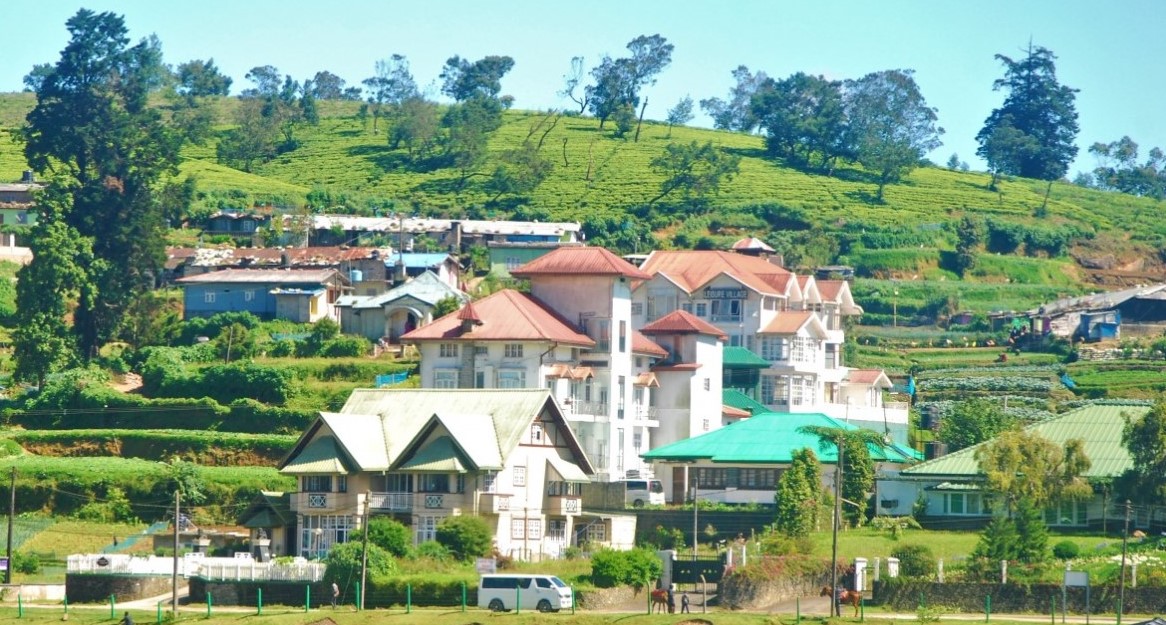
"From taro cultivation in Bogor to village tourism in Banyumas, every village has a story worth telling — and an opportunity worth sharing."
Seven areas of village knowledge
FolderDesa organizes its articles across these interconnected topics, each one grounded in real Indonesian village experience.
What you'll find on FolderDesa
Practical articles written by contributors who understand village life.
Agriculture & Cultivation
Articles on taro (talas bogor), dragon fruit, crystal guava, durian, oyster mushrooms, and tabulampot grapes — plus livestock such as dairy goats and Merino sheep.
Village-Owned Enterprises
Guides on establishing BUMDes, the differences from cooperatives, and why professional phased management matters for village economic growth.
Village Tourism
Coverage of destinations like Desa Karangkemiri in Banyumas, where outbound activities and a swimming pool helped tourism contribute Rp 50 million to village income in 2021.
Culinary Traditions
Indonesian village foods, Sundanese heritage dishes, spiced drinks, infused waters, seafood street-food ideas, and home-industry snack production.
Business Opportunities
From dried wood ear mushrooms and kopyor coconut seedlings to ecoprint crafting, bamboo crafts, and mina padi integrated rice-fish farming.
Village News & Community
Reports on social assistance programs like PKH, village governance structures, and practical tips such as safe homecoming travel during mudik season.
Planning a village sunset viewpoint with photo spots
A village sunset viewpoint can serve more than a scenic stop. When photo spots are planned around daily village life, visitors can watch rice fields, markets and distant hills at dusk while residents gain income from guiding, food, homestays and local products. The strongest concept treats the landscape as a living setting rather than a collection of decorative backdrops.
For Australian travellers, that idea fits familiar day-trip behaviour: driving from Sydney to the Blue Mountains, stopping at a coastal lookout or following a hinterland road through regional towns. They often call the late evening “sundown,” carry a “BYO” picnic and expect clear parking, honest travel information and a safe route back after dark. An Indonesian village offer should translate those expectations without copying a commercial lookout wholesale.
Success therefore depends on local timing, land access and community consent. The village should decide who may enter private land, how photographs may be used, which businesses benefit and who maintains the path. Planning early also reduces conflict between visitors, farming, worship, transport and evening traffic.
Map access, land and operating risk
Begin with a short route that visitors can understand before they arrive. Walk it at the same time of day as the intended visit, noting uneven ground, drainage, blind corners, farm entrances, lighting and places where vehicles cannot pass. A viewpoint may look close on a map but require a twenty-minute walk across exposed ground. Include a return route, emergency contacts and an alternative meeting point for rain.
Land agreements should be written down rather than assumed. The BUMDes, village head, landowners and relevant community groups can define public access hours, photography rules, parking limits and maintenance contributions. Australian comparisons offer a useful warning: lookouts managed by councils or National Parks NSW often require permits, road closures and fire-danger checks. The same planning discipline applies in Indonesia, even when the legal system and scale are different.
Examples such as FolderDesa village stories show how village projects can connect landscape, livelihoods and community governance. A viewpoint should follow that grounded approach: local people identify the route and its rules, visitors receive useful information, and revenue stays close to the people doing the work.
Shape photo spots around natural light
Choose a small number of strong locations instead of crowding the hill with signs. Good subjects might include a rice-field edge, a gateway framed by trees, a market roof catching the last light, a reflective pond and a ridge where the horizon remains visible. Each stop needs foreground detail as well as a view; an empty panorama often photographs less effectively than a person, plant or everyday village activity placed against the distance.
Timing matters more than expensive equipment. Arrive thirty minutes before sunset to check the composition, then photograph the changing colour through the final ten minutes. A cloudy sky can add atmosphere, while a clear horizon produces a distinct outline. Local guides should explain seasonal planting, tides and weather patterns so visitors understand why the same spot changes throughout the year. Photography should never interrupt harvesting, prayer or private activities.
Useful background can be found in the About FolderDesa page, which reflects the magazine’s focus on village life, governance and local enterprise. This wider context helps planners treat the lookout as part of a working community, not an isolated tourism product.
Match the visit to local demand
A practical comparison clarifies where the two visitor markets align and where local adaptation is needed:
| Planning choice | Village viewpoint in Indonesia | Australian visitor expectation |
|---|---|---|
| Arrival | Short walk or village vehicle from nearby homestays | Self-drive day trip with clear parking and road advice |
| Best light | Arrive before the local sunset and remain briefly after | Check the exact sunset time rather than relying on a fixed hour |
| Photo stops | Field edges, gateways, ridges and everyday village scenes | Scenic foreground, open horizons and safe stopping places |
| Spending | Local guiding, snacks, drinks, homestays and products | Visible AUD prices and accepted payment options |
| After dark | Village vehicle, torch and agreed return path | Clear route, lighting information and no risky road walking |
Demand should reflect the village’s capacity. A quiet farming community may benefit from a weekly guided photo walk, while a busier tourism area might need timed entry, a small booking system and a shaded waiting area. Local businesses should be able to display the same visitor information without paying an excessive fee. Transparent prices and simple bundles—such as a guided walk followed by a meal—are often easier to understand than many separate tickets.
Create a simple visitor journey
Provide one concise route sheet in Bahasa Indonesia and English, with arrival times, walking distance, suitable clothing, weather guidance and house rules. Directional signs should use local symbols as well as words. Where appropriate, a local photographer can lead a short session and demonstrate how to frame foreground, light and movement without giving everyone the same copied pose.
Transport details must be current. Teams can consult NJ Route 22 guide as an external example of how route-based travel information can be organised, but village-specific maps should remain the authority for road conditions and closures. During busy agricultural periods, the route may need to change when tractors enter the fields. If visitors are likely to arrive by motorcycle, provide a separate parking and assembly point.
Australian visitors may also appreciate familiar planning tools: a clear map, an approximate spend in Australian dollars, emergency numbers and honest notes about mobile coverage. A “sundown” label can be friendly, but it should be paired with the actual sunset and last-return times. Check state fire-danger warnings, weather alerts and local access notices before publishing each season.
Run the viewpoint through village enterprise
The BUMDes can coordinate bookings, guides, maintenance, waste collection and revenue sharing, while landowners remain responsible for agreed access boundaries. A simple daily check should cover paths, signs, lighting and damage. Guides can explain the landscape and direct purchases toward nearby warungs, farms and craft producers, but photographs of people should be made only with consent. A modest annual budget for repairs will protect both the village and the visitor experience.
The immediate next step is to hold one sunset walk with the village leader, landowner, BUMDes manager and a local photographer, then mark the agreed access route and photo points on a single map with a dated maintenance checklist.

Questions or story ideas from your village?
FolderDesa welcomes readers who want to share village experiences or learn more about the topics covered on the site.
Visit the Contact Page