
FolderDesa brings together practical knowledge on farming, village-owned enterprises, culinary traditions, rural tourism, and small-business ideas — all rooted in the everyday life of Indonesian villages.
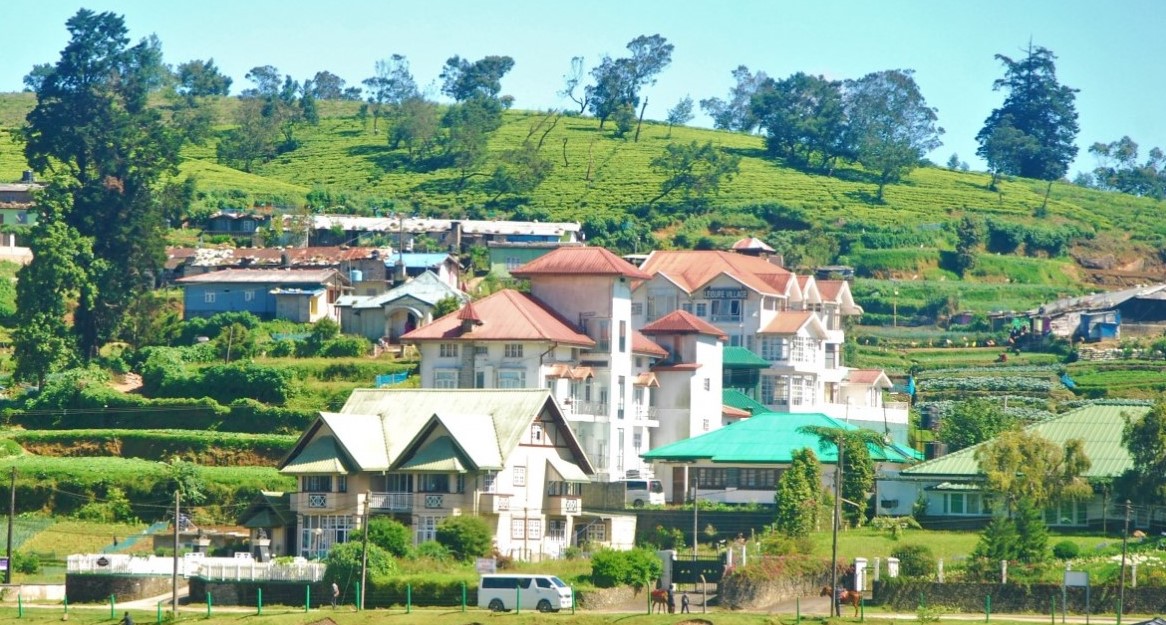
"From taro cultivation in Bogor to village tourism in Banyumas, every village has a story worth telling — and an opportunity worth sharing."
Seven areas of village knowledge
FolderDesa organizes its articles across these interconnected topics, each one grounded in real Indonesian village experience.
What you'll find on FolderDesa
Practical articles written by contributors who understand village life.
Agriculture & Cultivation
Articles on taro (talas bogor), dragon fruit, crystal guava, durian, oyster mushrooms, and tabulampot grapes — plus livestock such as dairy goats and Merino sheep.
Village-Owned Enterprises
Guides on establishing BUMDes, the differences from cooperatives, and why professional phased management matters for village economic growth.
Village Tourism
Coverage of destinations like Desa Karangkemiri in Banyumas, where outbound activities and a swimming pool helped tourism contribute Rp 50 million to village income in 2021.
Culinary Traditions
Indonesian village foods, Sundanese heritage dishes, spiced drinks, infused waters, seafood street-food ideas, and home-industry snack production.
Business Opportunities
From dried wood ear mushrooms and kopyor coconut seedlings to ecoprint crafting, bamboo crafts, and mina padi integrated rice-fish farming.
Village News & Community
Reports on social assistance programs like PKH, village governance structures, and practical tips such as safe homecoming travel during mudik season.
Planning a Village Street Food Festival That Draws Visitors
A village street food festival can turn everyday cooking into a strong visitor attraction. It gives farmers, home-based cooks, young entrepreneurs, and local organisations a shared marketplace while allowing guests to experience flavours that are difficult to find in restaurants or shopping centres.
For an Indonesian village, the event may centre on grilled snacks, traditional cakes, regional noodles, rice dishes, herbal drinks, and seasonal produce. The most successful festivals, however, are planned as community programmes rather than simple food stalls. Visitors should have reasons to stay, explore, spend, and return.
Australian readers will recognise the appeal from weekend farmers’ markets in Melbourne, Brisbane, or regional New South Wales. Local customers often expect clear pricing, card or mobile payments, clean preparation areas, and a relaxed space where they can eat with family. These expectations can help village organisers design an event that feels welcoming to domestic and international guests.
A useful plan connects local identity with practical management. It defines the festival’s purpose, selects vendors carefully, prepares the site, calculates costs, promotes the programme, and measures what worked. The result should support village income while protecting cultural value and public safety.
Set A Clear Purpose For The Festival
Begin by deciding what the event needs to achieve. A village might want to increase sales for farmers, introduce a new BUMDes enterprise, promote rural tourism, create work for young residents, or attract visitors during a quiet travel period. One primary goal makes later decisions easier.
The festival should have a recognisable identity. It could celebrate a harvest, a river, a historic village market, a local spice, or a traditional cooking method. A focused theme helps vendors develop suitable menus and gives tourism offices, travel operators, and media a simple story to share.
Set measurable targets before announcing the date. These may include the number of stalls, visitor attendance, total vendor sales, accommodation bookings, waste collected, or new business contacts. Targets should be realistic for the village’s roads, parking, electricity, water supply, and available volunteers.
Curate Food That Represents The Village
A strong menu includes familiar favourites alongside dishes that tell a local story. Invite cooks who use village-grown rice, cassava, bananas, coconuts, freshwater fish, coffee, or spices. Give each stall a short sign describing the ingredients, preparation method, and connection to the community.
Avoid allowing every vendor to sell the same fried snack or sweet drink. A simple selection system can balance savoury food, desserts, drinks, vegetarian dishes, children’s portions, and regional specialities. Small tasting portions help visitors try unfamiliar food without spending too much.
Pricing should suit both residents and tourists. Offer low-cost snacks, standard meals, and a few premium items made with distinctive ingredients. For Australian visitors accustomed to food trucks and market stalls, visible prices and clear portion descriptions make purchasing easier, especially when menus are available in Indonesian and English.
Choose A Site And Schedule Carefully
The venue should be easy to reach without damaging daily village life. A community field, riverside area, village hall grounds, or shaded market space may work well, provided there is room for queues, seating, cooking, deliveries, toilets, and emergency access. Separate vehicle movement from pedestrian areas wherever possible.
Timing affects attendance and comfort. A late-afternoon start can avoid intense midday heat and create a natural transition into evening performances. Check school calendars, religious observances, harvest work, local ceremonies, and major regional events before confirming the date.
Australian planning habits offer useful comparisons. Weekend markets often provide hand-washing points, clearly marked entrances, bins, and accessible paths, while summer events in places such as Perth or Adelaide pay close attention to shade and hydration. Similar basics make a tropical village festival more comfortable for older guests, children, and overseas travellers.
Build A Budget That Protects Village Income
List every cost before setting stall fees or ticket prices. Include temporary tents, tables, lighting, sound equipment, cleaning, security, permits, portable toilets, water, signage, first aid, promotion, performer payments, and transport. Keep a contingency reserve for rain, equipment failure, or extra waste collection.
Income may come from vendor fees, food sales, sponsorship, parking, guided village tours, merchandise, or a small entry charge. BUMDes can manage central services such as reusable plates, ticketing, waste collection, or a shared payment counter. Written agreements help prevent disputes over revenue and responsibilities.
| Budget area | Practical planning point | Possible village income |
|---|---|---|
| Food stalls | Set fair fees and limit duplicate menus | Vendor registration |
| Site services | Include tents, lighting, toilets, water, and cleaning | Sponsorship or entry fee |
| Performances | Pay local artists and provide basic production support | Cultural programme package |
| Promotion | Use posters, social media, tourism partners, and maps | Business sponsorship |
| Visitor activities | Add cooking demonstrations, farm walks, or craft workshops | Tour or workshop tickets |
| Risk reserve | Keep funds for weather and unexpected repairs | Protected operating surplus |
Financial transparency matters when public land, village funds, or BUMDes resources are involved. Publish basic rules, record payments, and report the event’s results to vendors and residents after the festival.
Design A Memorable Visitor Experience
Food should be the centre of the event, but visitors need a reason to stay longer than one meal. Add short cooking demonstrations, ingredient displays, children’s activities, village walks, craft stalls, or a small produce market. These features spread spending across more households.
Music and cultural presentations can create atmosphere when they are scheduled rather than used as background noise. A well-briefed host can explain the meaning of a dish, introduce local performers, and announce cooking times. A guide to traditional dance performances can help organisers connect cultural presentation with the broader visitor programme.
Design the site so guests can move naturally from the entrance to food stalls, seating, performances, toilets, and exit points. Use consistent signs, visible rubbish stations, shaded rest areas, and a clearly marked information desk. A photo-friendly landmark can encourage visitors to share the festival online without making the event feel artificial.
Promote Through Local Networks
Promotion should begin several weeks ahead and use channels that match the audience. Village social media accounts, district tourism offices, schools, hotels, homestays, motorcycle communities, food bloggers, and local radio can all help distribute the message. Include the date, location, signature dishes, transport options, operating hours, and payment methods.
Create a simple digital map showing parking, public transport stops, toilets, prayer facilities, food zones, and activities. If mobile coverage is unreliable, print the same information on roadside signs and handbills. Australian visitors may plan through Google Maps and accommodation websites, while local residents may respond more quickly to WhatsApp groups and community noticeboards.
Partnerships can expand reach without greatly increasing costs. Nearby farmers can supply ingredients, guesthouses can offer festival packages, and transport operators can run scheduled trips. Invite neighbouring villages to participate while keeping the host village’s main identity clear.
Manage Safety And Learn From Results
Every vendor should receive written food-handling rules covering clean water, covered ingredients, safe cooking temperatures, waste storage, allergies, and food display times. Assign a small inspection team and require each stall to provide a hand-washing method. First aid, fire extinguishers, emergency contacts, and a weather response plan should be ready before opening.
After the event, collect sales estimates, attendance figures, vendor feedback, visitor comments, waste volumes, and complaints. Compare results with the original targets and identify which dishes, performances, and promotional channels produced the strongest response. Share a short report with the village community so the benefits and weaknesses are visible.
A practical festival plan is therefore a balance between local character and disciplined operations: select a clear theme, prepare a varied menu, protect the budget, make the site comfortable, promote through trusted networks, and review the evidence afterwards. The most useful final checklist is simple: every stall is safe, every cost is recorded, every visitor can find their way, and every participating household can see a fair benefit.

Questions or story ideas from your village?
FolderDesa welcomes readers who want to share village experiences or learn more about the topics covered on the site.
Visit the Contact Page