
FolderDesa brings together practical knowledge on farming, village-owned enterprises, culinary traditions, rural tourism, and small-business ideas — all rooted in the everyday life of Indonesian villages.
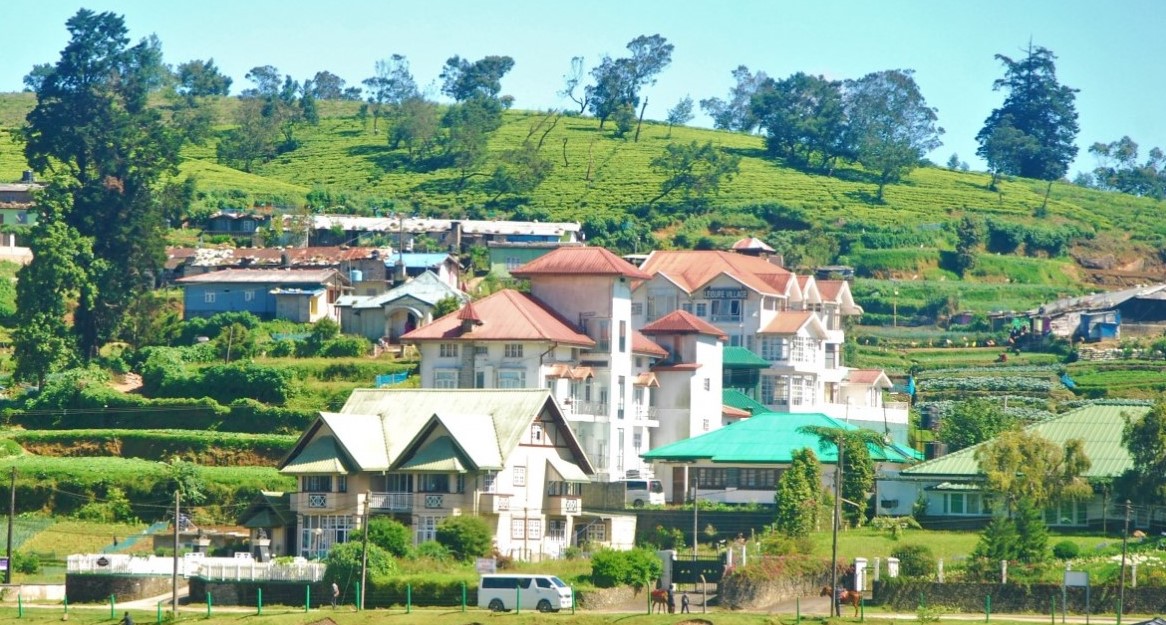
"From taro cultivation in Bogor to village tourism in Banyumas, every village has a story worth telling — and an opportunity worth sharing."
Seven areas of village knowledge
FolderDesa organizes its articles across these interconnected topics, each one grounded in real Indonesian village experience.
What you'll find on FolderDesa
Practical articles written by contributors who understand village life.
Agriculture & Cultivation
Articles on taro (talas bogor), dragon fruit, crystal guava, durian, oyster mushrooms, and tabulampot grapes — plus livestock such as dairy goats and Merino sheep.
Village-Owned Enterprises
Guides on establishing BUMDes, the differences from cooperatives, and why professional phased management matters for village economic growth.
Village Tourism
Coverage of destinations like Desa Karangkemiri in Banyumas, where outbound activities and a swimming pool helped tourism contribute Rp 50 million to village income in 2021.
Culinary Traditions
Indonesian village foods, Sundanese heritage dishes, spiced drinks, infused waters, seafood street-food ideas, and home-industry snack production.
Business Opportunities
From dried wood ear mushrooms and kopyor coconut seedlings to ecoprint crafting, bamboo crafts, and mina padi integrated rice-fish farming.
Village News & Community
Reports on social assistance programs like PKH, village governance structures, and practical tips such as safe homecoming travel during mudik season.
Planning Clean Water Distribution Systems in Rural Settings
Access to safe piped water still defines the daily rhythm of life in thousands of small communities across the Asia-Pacific region. In remote homesteads of outback South Australia, Indigenous outstations near Alice Springs, and upland farming hamlets in Indonesia alike, the same engineering puzzle appears: how to move clean water reliably from a catchment point to every household without losing pressure, quality, or trust from the people being served.
Planning such a network means balancing geology, hydrology, household budgets, and local governance long before a single pipe is laid in the ground. Drawing on lessons from Australian schemes such as the National Water Initiative and the managed recharge of the Great Artesian Basin, this walkthrough covers the practical steps a village committee or small council can take when designing a rural water distribution system.
Sourcing and Assessing the Raw Water
Every distribution system begins at the source. Spring collectors, deep boreholes, river intakes, and rainwater harvesting tanks each produce water with very different characteristics. In Australia, the Murray–Darling Basin Plan regulates extraction to protect river health, and communities drawing from the Great Artesian Basin rely on controlled bores capped at licensed flow rates. Indonesian villages typically work with smaller catchments, but the assessment process is similar: measure the reliable dry-season yield, log the water table across at least one full year, and test for iron, manganese, bacteria, and turbidity before any design decisions are made.
A useful habit is to keep a shared logbook of flow readings taken at the same time each morning by a designated caretaker. Once you know whether the source can deliver more than the planned peak demand, you can size the rest of the system with confidence rather than guesswork.
Mapping Routes and Estimating Demand
Network design starts on paper, often with a hand-drawn village map marking every house, school, mosque, and clinic. Each connection should be classified as domestic, public, or livestock, because peak demand for a typical household is roughly 60 to 120 litres per person per day while a cattle pen or even a modest highland cauliflower plot can multiply that demand several times over.
Walking the proposed main line with a smartphone elevation app and a 30-metre measuring tape is enough to build a workable profile, while trained surveyors in regional New South Wales routinely use GPS units that feed straight into hydraulic modelling software. The route that follows the natural contour, avoids road crossings, and keeps the pipeline away from septic soak pits will always cost less to build and to maintain.
Choosing Pipe Materials and Diameters
Once the route is fixed, pipe selection becomes the most consequential decision on the ground. Material choice affects pressure rating, lifespan, price, and the skill needed to install joints. Below is a side-by-side of the four options most commonly available to rural projects in both Australia and Indonesia.
| Material | Typical Lifespan | Key Strength | Key Limitation |
|---|---|---|---|
| uPVC (unplasticised PVC) | 30–50 years | Cheap, light, easy solvent-weld joints | Brittle under UV and impact |
| HDPE (high-density polyethylene) | 50+ years | Flexible, corrosion-free, coil lengths reduce joins | Needs electrofusion or butt-weld gear |
| Galvanised iron (GI) | 15–25 years | Widely available, handles rough terrain | Internal rust, heavy to transport |
| Ductile iron with PE lining | 50+ years | Withstands high pressure and traffic loads | High cost, needs skilled installers |
For most village gravity-fed schemes, a 50 mm or 63 mm HDPE main with 25 mm HDPE laterals is a sensible starting point. Where booster pumps are needed in dry-season locations such as parts of Western Australia's Wheatbelt, pressure-rated uPVC Class 12 or ductile iron becomes the safer choice.
Storage, Treatment, and Pressure Management
Pipes on their own cannot deliver water at a usable pressure. A system usually includes a raw-water sump at the source, a slow-sand or cartridge filtration unit, a disinfection stage using chlorine or UV, and a service reservoir sited high enough to gravity-feed the village. Many Australian community schemes financed under the National Water Initiative followed exactly this template, often pairing a treated-water tank with a small booster station for elevated blocks.
A community-led business opportunity can emerge around the reservoir itself: paid metered connections, a public tap stand operated on a prepaid basis, or even a small bottle-filling kiosk for travellers. These small revenue streams help fund the chemicals, fuel, and operator wages that keep the treatment plant running day after day.
Budgeting, Funding, and Cost Recovery
A realistic budget should cover pipes, fittings, excavation, the treatment plant, the reservoir, and at least two years of operating costs. Adding a 10 to 15 per cent contingency is non-negotiable, because rock surprises, currency fluctuation, and extra fittings always appear on site. Funding can come from a mix of village contributions in cash or labour, regional grants, NGO partnerships, and provincial matching funds.
Tariff design deserves as much thought as the engineering. A simple two-block tariff, with a lifeline allowance free or cheap and a higher per-litre rate above it, balances fairness with cost recovery. Publishing the tariff and the annual accounts on a village noticeboard keeps the scheme politically durable, which is exactly what keeps water flowing for decades.
Maintenance, Monitoring, and Governance
A water network is a living asset that needs a schedule, not just a handover ceremony. Walk-the-line inspections every quarter catch leaking joints, encroaching tree roots, and illegal household connections before they become crises. Chlorine residuals should be tested at the tap at least weekly, and reservoir levels logged daily through dry months.
Governance matters as much as hardware. A small water committee of three to five villagers, with at least one woman and one youth member, meeting monthly with the operator protects transparency. Borrowing from Australian practice, where rural operators in regional New South Wales often hold a Certificate III in Water Industry Operations, training the local technician to a recognised standard pays for itself many times over the life of the scheme.
The point worth holding onto when planning a clean water distribution system is that pipes, pumps, and reservoirs only deliver value when a community has the source data, the route map, the tariff, and the maintenance culture to match. Get those four pillars aligned first, and the rest of the network will quietly do its job for a generation.

Questions or story ideas from your village?
FolderDesa welcomes readers who want to share village experiences or learn more about the topics covered on the site.
Visit the Contact Page