
FolderDesa brings together practical knowledge on farming, village-owned enterprises, culinary traditions, rural tourism, and small-business ideas — all rooted in the everyday life of Indonesian villages.
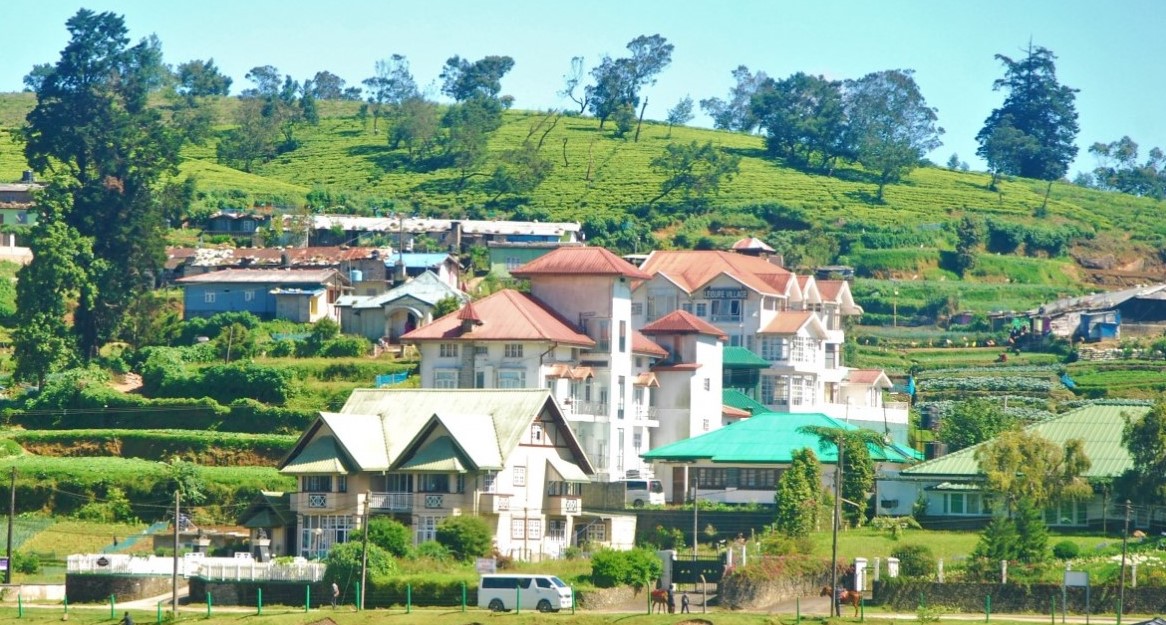
"From taro cultivation in Bogor to village tourism in Banyumas, every village has a story worth telling — and an opportunity worth sharing."
Seven areas of village knowledge
FolderDesa organizes its articles across these interconnected topics, each one grounded in real Indonesian village experience.
What you'll find on FolderDesa
Practical articles written by contributors who understand village life.
Agriculture & Cultivation
Articles on taro (talas bogor), dragon fruit, crystal guava, durian, oyster mushrooms, and tabulampot grapes — plus livestock such as dairy goats and Merino sheep.
Village-Owned Enterprises
Guides on establishing BUMDes, the differences from cooperatives, and why professional phased management matters for village economic growth.
Village Tourism
Coverage of destinations like Desa Karangkemiri in Banyumas, where outbound activities and a swimming pool helped tourism contribute Rp 50 million to village income in 2021.
Culinary Traditions
Indonesian village foods, Sundanese heritage dishes, spiced drinks, infused waters, seafood street-food ideas, and home-industry snack production.
Business Opportunities
From dried wood ear mushrooms and kopyor coconut seedlings to ecoprint crafting, bamboo crafts, and mina padi integrated rice-fish farming.
Village News & Community
Reports on social assistance programs like PKH, village governance structures, and practical tips such as safe homecoming travel during mudik season.
A Practical Guide to Village Clean-Up Campaigns
Planning a Village Clean-Up Campaign with Community Groups works best when it is treated as a shared local project rather than a single day of sweeping. A clean-up can improve drainage, protect gardens, make a market area safer, and build cooperation between residents, schools, farmers, traders, youth groups, and village officials.
For communities in Indonesia, the most useful plan usually starts with familiar local structures. The village government, RT or RW leaders, women’s groups, karang taruna, religious organisations, farmers’ associations, and BUMDes can each take responsibility for a different part of the work. This spreads the workload and gives the campaign a better chance of continuing after the first event.
Australian readers may recognise the same principle from Clean Up Australia activities, Saturday park maintenance, and neighbourhood groups that care for streets or waterways. The setting is different, but the essentials are similar: identify a practical target, make safety clear, provide the right equipment, and show residents what happens to the rubbish afterwards.
Set a clear purpose and target area
A village clean-up should begin with a defined problem. A blocked irrigation channel requires a different approach from plastic waste around a market, fallen branches along a tourist trail, or litter beside a river. Walking through the village with local leaders can reveal where rubbish accumulates after rain, where informal dumping occurs, and which paths are used most often by children and older residents.
Choose a manageable first zone, such as one market lane, a drainage line, a school boundary, or the road leading to a village attraction. Record the area with simple notes or photographs and estimate the number of volunteers required. A smaller project that is completed properly can create more trust than a large campaign that leaves some streets untouched.
Set outcomes that residents can see and measure. These might include clearing 300 metres of drainage, removing rubbish from a riverbank, separating recyclable materials, or planting shade trees beside a public path. Avoid promising that one event will solve every waste problem. The purpose is to create a visible improvement and establish a routine for maintenance.
Bring community groups into the planning
Invite representatives from each group before announcing the date. Farmers can identify drainage and access concerns, traders can explain busy market periods, and young people may know where litter gathers after sports or evening activities. Women’s groups often have practical insight into household waste, food packaging, and the availability of reusable containers.
Give every group a specific role. A school might prepare posters, the youth association could manage volunteer registration, and the BUMDes could organise transport or sell recovered materials through an approved recycling partner. Village officials can coordinate permissions, contact waste services, and connect the activity with the village development plan.
Local ownership grows when decisions are made in an open meeting rather than assigned from above. Agree on the clean-up boundary, working hours, tools, waste categories, and who will supervise each team. In an Australian setting, this resembles coordinating with a city council, a residents’ association, and a local land-care group before working in a public reserve.
Choose a safe and practical schedule
Early morning is often suitable in tropical villages because temperatures are lower and households may be free before farm work. Avoid market trading hours, major religious events, school examinations, and periods when heavy rain is likely. A two- or three-hour session is usually easier for families and older volunteers than a full-day activity.
Safety planning must come before enthusiasm. Provide gloves, boots or closed shoes, masks where dust is present, drinking water, sun protection, first-aid supplies, and separate tools for drains or sharp waste. Children should work only in supervised low-risk areas. Volunteers must never handle needles, chemicals, sealed containers, asbestos-like materials, or unfamiliar waste; these should be isolated and reported to the relevant authority.
Australian organisers will be familiar with council approval requirements for work in parks, roadsides, and reserves. Local rules vary by state and territory, but public liability, traffic control, worker safety, and disposal requirements can apply. A village team can follow the same habit by confirming permission with the village government or land manager, identifying hazards, and recording an emergency contact before work begins.
Plan sorting, transport, and disposal
A clean-up becomes less effective when all rubbish is placed in one pile. Prepare separate sacks or marked areas for organic material, recyclable plastics and metals, residual waste, and hazardous items. Food scraps and leaves may be suitable for composting if the village has a managed system, while contaminated or mixed waste may require collection by the local service.
Arrange transport before volunteers arrive. A cart, small truck, motorbike trailer, or BUMDes vehicle may be enough for a neighbourhood project. Confirm where the waste will go, who will accept recyclables, and whether a disposal fee applies. Never move rubbish from a roadside to an unofficial dumping ground, as this simply transfers the environmental problem.
The local market can support the campaign when traders reduce single-use packaging and keep a dedicated waste point nearby. Australian communities often separate kerbside recycling and use container-deposit schemes such as Containers for Change in participating states. The exact system differs in Indonesia, but the underlying lesson is useful: sorting is easier when collection points, labels, and responsibilities are clear.
Connect the clean-up with local livelihoods
A clean village can support farming, food businesses, and rural tourism. Clear paths make a village attraction more welcoming, while cleaner drainage can reduce standing water near vegetable plots and homes. A campaign can also identify useful organic materials for compost, mulch, or livestock management, provided the material is clean and handled safely.
Link environmental work with existing village enterprises. A BUMDes might coordinate waste collection, sell sorted materials, produce compost, or provide bins for events and tourist sites. Local food sellers can display refill water stations, washable utensils, or produce from gardens that benefit from improved soil and drainage.
Practical planting can strengthen the project after the rubbish is removed. For a household or community garden, this guide to lemongrass and pandan can support useful plants for cooking, fragrance, and erosion control. Planting should follow a simple maintenance agreement so that new vegetation does not block drains or create hidden areas for dumping.
Turn one event into a regular habit
The final stage is deciding what happens the following week. Assign a small maintenance team for each cleaned area and create a simple reporting method through a noticeboard, village meeting, or messaging group. Residents should know whom to contact when rubbish returns, a drain becomes blocked, or a collection point overflows.
Measure the result without making the process complicated. Count volunteers, bags or truckloads collected, recyclable material recovered, drains cleared, and areas maintained after one month. Take photographs from the same locations before and after the work. These records can help the village request equipment, support a grant application, or explain the value of the campaign to local businesses.
A community garden can keep participation visible throughout the year. Moringa, for example, may provide leaves for household nutrition and a reason for residents to care for a shared growing area; a practical moringa growing guide can help organisers plan planting and care. The clean-up then becomes part of broader village development rather than an isolated volunteer activity.
A successful campaign needs a clear site, trusted local leaders, safe working conditions, and a disposal plan agreed before the first rubbish is collected. Start with one area, invite groups to share responsibility, and publish the results so residents can see how their time improved daily life. The next concrete step is to walk the proposed site with one village official and two community-group representatives, then mark the boundaries and main hazards on a one-page plan.

Questions or story ideas from your village?
FolderDesa welcomes readers who want to share village experiences or learn more about the topics covered on the site.
Visit the Contact Page