
FolderDesa brings together practical knowledge on farming, village-owned enterprises, culinary traditions, rural tourism, and small-business ideas — all rooted in the everyday life of Indonesian villages.
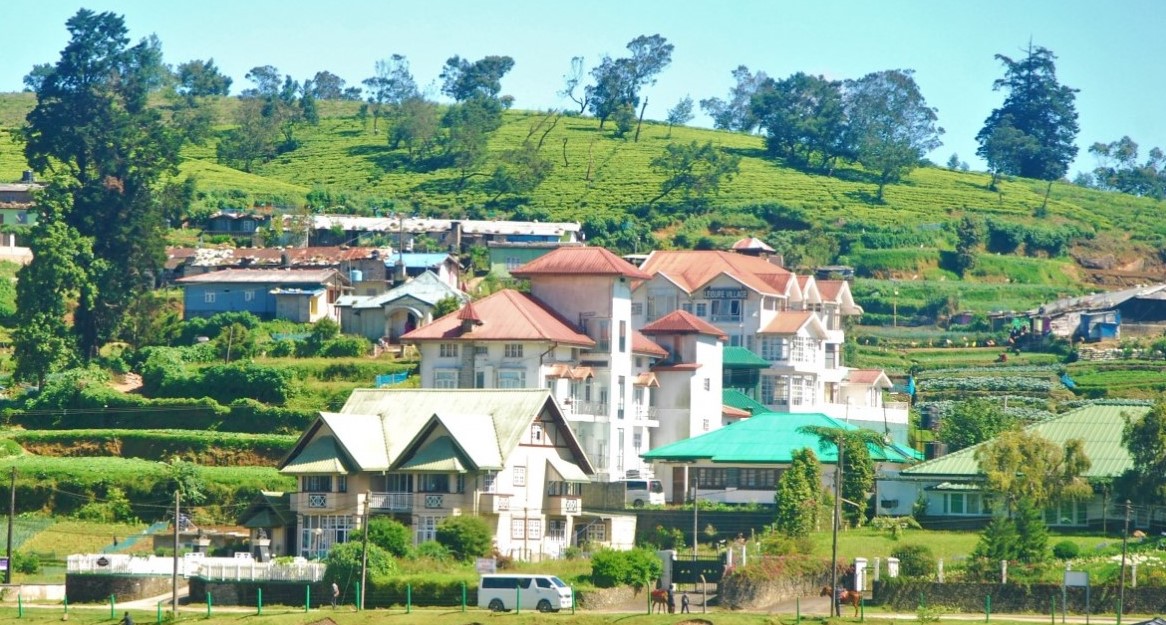
"From taro cultivation in Bogor to village tourism in Banyumas, every village has a story worth telling — and an opportunity worth sharing."
Seven areas of village knowledge
FolderDesa organizes its articles across these interconnected topics, each one grounded in real Indonesian village experience.
What you'll find on FolderDesa
Practical articles written by contributors who understand village life.
Agriculture & Cultivation
Articles on taro (talas bogor), dragon fruit, crystal guava, durian, oyster mushrooms, and tabulampot grapes — plus livestock such as dairy goats and Merino sheep.
Village-Owned Enterprises
Guides on establishing BUMDes, the differences from cooperatives, and why professional phased management matters for village economic growth.
Village Tourism
Coverage of destinations like Desa Karangkemiri in Banyumas, where outbound activities and a swimming pool helped tourism contribute Rp 50 million to village income in 2021.
Culinary Traditions
Indonesian village foods, Sundanese heritage dishes, spiced drinks, infused waters, seafood street-food ideas, and home-industry snack production.
Business Opportunities
From dried wood ear mushrooms and kopyor coconut seedlings to ecoprint crafting, bamboo crafts, and mina padi integrated rice-fish farming.
Village News & Community
Reports on social assistance programs like PKH, village governance structures, and practical tips such as safe homecoming travel during mudik season.
Designing a Village Agroforestry System with Fruit and Timber Trees
Indonesian villages have long balanced annual crops with permanent tree cover, and the practice is gaining renewed attention as rural communities look for steady income and healthier soils. Agroforestry systems that mix fruit and timber trees with shorter crops offer both food security and long-term financial returns, especially on smallholder plots where every square meter matters. When villages plan these systems carefully, the canopy, root systems, and harvest cycles work together rather than against each other.
For an Australian reader, the connection may not be obvious at first, but the parallels are real. Market gardeners in Cairns and the Sunshine Coast grow tropical fruit under partial canopy, while Landcare groups from Hobart to Broome trial multi-species plantings that mimic natural forest edges. Wholesale buyers at the Sydney Markets and Melbourne's Queen Victoria Market increasingly ask about provenance, shade-grown practices, and timber from certified sources. A village agroforestry plan can speak directly to those questions.
This article walks through the practical decisions behind a mixed fruit and timber planting, from species selection to spacing, soil management, and the eventual harvest. Each section offers grounded steps that village officials, farmers, and rural entrepreneurs can adapt to their own conditions.
Understanding the Agroforestry Concept
Agroforestry is the deliberate integration of trees, crops, and sometimes livestock on the same piece of land. In a village context, the goal is rarely maximum yield of a single species. Instead, the system is designed so that fruit trees, timber trees, and annual crops share light, water, and nutrients across different layers. The upper canopy might be teak or mahogany, the middle layer could be mango or durian, and the ground layer could host coffee, bananas, or vegetables.
The benefits show up over time. Mature timber trees stabilise the microclimate, reduce wind speed, and add organic matter through leaf litter. Fruit trees generate annual income while the timber matures, smoothing out cash flow for farming families. Practical guidance on fruit planting can help villages match species to local soil pH, rainfall, and altitude before any seedlings go into the ground.
Australian growers have tested similar logic in subtropical pockets around Brisbane and the Tweed Valley, where avocado and macadamia growers often plant windbreak rows of timber species. The lessons travel in both directions: village planners can borrow row-spacing data, while Australian producers gain insight from Indonesian experience with multi-strata canopies.
Choosing Species for Fruit and Timber
Selection is where most plans succeed or fail. A common mistake is to plant what is locally familiar without checking whether the site can actually support it. Soil depth, drainage, seasonal dry spells, and prevailing winds should all be checked before a single hole is dug. For timber, fast-growing species such as sengon, gmelina, or teak suit different rainfall bands, while fruit options range from mango, jackfruit, and rambutan to citrus, guava, and papaya for shorter-term returns.
A useful starting question is whether the village is targeting local consumption, regional trade, or export. Villages near tourist corridors, including those that host Australian eco-travellers passing through Bali before flying home from Denpasar, often prioritise fruit that can be sold fresh or turned into jams and dried snacks. Villages with longer horizons may emphasise timber species that age well and command higher prices once milled.
Comparing Common Agroforestry Species
| Species | Primary Use | Years to First Harvest | Suitable Climate | Notes for Villages |
|---|---|---|---|---|
| Mango | Fruit | 4–6 years | Tropical, sub-humid | Strong domestic demand, sensitive to wet flowering |
| Sengon | Timber | 5–7 years | Humid lowlands | Fast nitrogen-fixer, lighter wood |
| Teak | Timber | 15–25 years | Seasonal tropics | High value, needs dry season |
| Durian | Fruit | 6–10 years | Wet tropical | Premium fruit, needs pollinator planning |
| Gmelina | Timber | 6–10 years | Wide range | Tolerates poor soils, easy to manage |
| Jackfruit | Fruit | 3–5 years | Humid tropics | Heavy yields, good for processing |
The table gives a snapshot, but local extension officers and neighbouring villages will always know more about which species handle the actual conditions on the ground.
Designing the Layout and Spacing
Layout matters more than most beginners expect. A poorly spaced plot creates shade competition, root conflict, and harvesting headaches. A well-planned layout uses alleys: timber rows on the boundaries, fruit trees in the middle, and ground crops or pasture between them. Spacing depends on the mature crown size of each species, and a simple rule is to leave at least the expected mature crown diameter between trees of the same species.
For mixed rows, a common village pattern is to plant timber at roughly 3 by 4 metres and fruit at 4 by 5 metres, then stagger them so that the canopy of each species fills its own zone. Wind direction should guide where the tallest timber goes, usually on the western or southern edges to shelter the more delicate fruit trees. Contour lines on sloping land need to be respected to prevent erosion during heavy rain.
A few practical reminders help when staking out the plot:
- Mark planting holes with bamboo poles before any digging starts
- Leave a 1.5-metre access path for wheelbarrows and small tractors
- Reserve space near a road or track for the eventual timber harvest
- Record each tree's position in a simple map or notebook for future management
Managing Soil, Water, and Biodiversity
Once the trees are in the ground, the work shifts to keeping the system healthy. Soil organic matter should be the first focus, since agroforestry systems depend on biological activity to recycle nutrients between layers. Mulching with prunings, adding compost from kitchen waste, and growing nitrogen-fixing ground cover such as legumes all help. In drier Indonesian regions, mulching also slows evaporation and keeps roots cool during the long dry months.
Water management is closely linked to layout. Swales along contours can capture rainfall and direct it toward tree roots, while small ponds collect runoff for dry-season irrigation. Australian volunteers working with Indonesian village programs often share swale designs adapted from permaculture projects near Adelaide and the Margaret River region. Biodiversity should be encouraged rather than controlled: flowering plants attract pollinators, and a mix of ground cover reduces the chance of pest outbreaks that hit monocultures hard.
A short checklist for the first three years might include:
- Apply mulch twice a year, especially before the dry season
- Prune timber trees early to shape a straight trunk
- Inspect fruit trees monthly for signs of common pests
- Record growth and yield in a simple village logbook
Harvesting, Markets, and Long-Term Income
A good agroforestry plan only pays off when harvesting is well organised. Fruit should be picked at the right stage for either fresh sale or processing, while timber needs careful marking so that the best trees are reserved for the final harvest rather than cut early for quick cash. Villagers often form small cooperatives to handle grading, packaging, and transport, which gives them stronger bargaining power with wholesalers.
Markets are diverse and worth researching in advance. Fresh fruit can supply local schools, traditional markets, and tourist restaurants, while surplus can be dried, pickled, or turned into flour. Timber from well-managed plots can be sold to furniture makers, construction suppliers, or certified sustainable forestry programs. Some Indonesian villages now export specialised hardwoods through cooperatives that meet international chain-of-custody standards, similar to the systems used by certified suppliers selling into Sydney and Melbourne.
The long-term picture is what makes agroforestry attractive to families planning across generations. A plot planted today will feed children, fund school fees, and eventually provide a timber windfall for grandchildren, all while the soil keeps improving.
Start by walking the village land with a notebook, marking slope, soil type, water flow, and existing trees, then bring those notes to the next meeting with the local agriculture office.

Questions or story ideas from your village?
FolderDesa welcomes readers who want to share village experiences or learn more about the topics covered on the site.
Visit the Contact Page