
FolderDesa brings together practical knowledge on farming, village-owned enterprises, culinary traditions, rural tourism, and small-business ideas — all rooted in the everyday life of Indonesian villages.
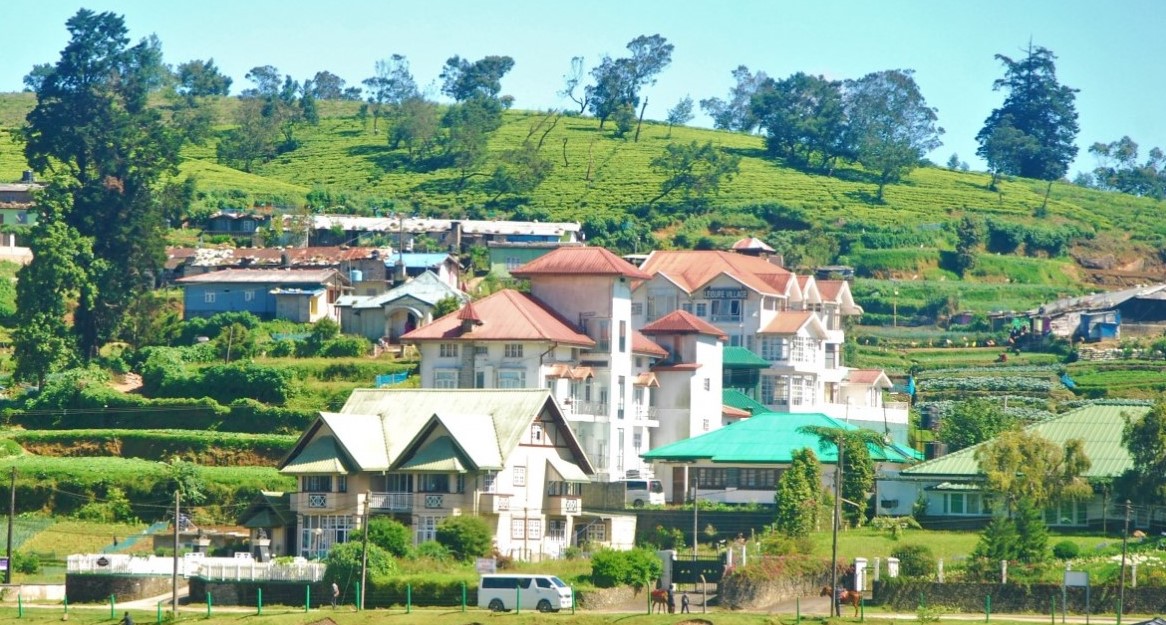
"From taro cultivation in Bogor to village tourism in Banyumas, every village has a story worth telling — and an opportunity worth sharing."
Seven areas of village knowledge
FolderDesa organizes its articles across these interconnected topics, each one grounded in real Indonesian village experience.
What you'll find on FolderDesa
Practical articles written by contributors who understand village life.
Agriculture & Cultivation
Articles on taro (talas bogor), dragon fruit, crystal guava, durian, oyster mushrooms, and tabulampot grapes — plus livestock such as dairy goats and Merino sheep.
Village-Owned Enterprises
Guides on establishing BUMDes, the differences from cooperatives, and why professional phased management matters for village economic growth.
Village Tourism
Coverage of destinations like Desa Karangkemiri in Banyumas, where outbound activities and a swimming pool helped tourism contribute Rp 50 million to village income in 2021.
Culinary Traditions
Indonesian village foods, Sundanese heritage dishes, spiced drinks, infused waters, seafood street-food ideas, and home-industry snack production.
Business Opportunities
From dried wood ear mushrooms and kopyor coconut seedlings to ecoprint crafting, bamboo crafts, and mina padi integrated rice-fish farming.
Village News & Community
Reports on social assistance programs like PKH, village governance structures, and practical tips such as safe homecoming travel during mudik season.
Planning a community herbal medicine workshop using local botanicals
Across rural Indonesia, traditional medicine gatherings bring neighbours together to swap knowledge about turmeric, ginger, and aromatic leaves from kitchen gardens. In Australia, a parallel revival is unfolding as community groups, neighbourhood houses, and landcare networks rediscover locally grown botanicals. Organising a village herbal medicine workshop using regional herbs blends these worlds: the communal spirit of Indonesian gotong royong and Australian reverence for bush medicine held by Aboriginal custodians.
Whether you are convening neighbours in the hills behind Castlemaine, coordinating with a playgroup in a coastal suburb, or hosting an event at a regional showground, the principles remain consistent. The workshop works best when it honours local ecosystems, respects cultural protocols around plant knowledge, and gives participants something tangible to take home. What follows walks through the practical steps, from planning to the day itself.
Clarifying the purpose and format of your workshop
Before booking a venue or sending out flyers, sit down with your organising group and write a clear purpose statement. Are you aiming to teach practical first-aid remedies for common ailments, or is the focus more on cultural appreciation and storytelling? Defining this early prevents scope creep and helps you choose the right format. A demonstration-style gathering suits larger crowds, while hands-on sessions work better for smaller groups who want to make their own preparations.
When deciding on length, consider the attention spans of your audience and the complexity of recipes. A two-hour Saturday arvo session is often the sweet spot for suburban community centres, while a full-day intensive works well in regional settings where attendees travel further. Consider accessibility too: wheelchair-friendly seating, clear signage, and a quiet space for participants who need to step away. Walking through the setting up basics ahead of time helps you spot small issues before they become problems on the day.
Sourcing local herbs with care and respect
The heart of any traditional medicine workshop lies in the plants themselves. In Australia, that might mean lemon myrtle from a backyard bush tucker garden, eucalyptus leaves gathered with permission from a local property, or chamomile and calendula grown by a neighbourhood herbalist. Connecting with a regional Landcare group or a permaculture cooperative can open doors to growers happy to donate cuttings or excess harvest.
Cultural sensitivity matters greatly here. Aboriginal plant knowledge is held by specific Traditional Owners, and respectful engagement means inviting knowledge holders to guide the conversation rather than extracting information without consent. Where possible, pay presenters fair wages and acknowledge Country at the opening of the gathering. Many councils now have Indigenous liaison officers who can advise on appropriate protocols for events that touch on traditional plant use.
Preparing teaching materials and practical demos
Good preparation transforms a pleasant gathering into a memorable learning experience. Lay out fresh and dried herbs in labelled jars, prepare a few demonstration pieces in advance such as a jar of infused oil or a small pot of salve, and have recipe cards printed for participants to take home. If your venue has a kitchen, plan simple demonstrations like a calming chamomile tea or a eucalyptus steam inhalation.
Healthy plants teach better, so remember that a freshly mulched garden bed suppresses weeds and keeps root systems cool and moist, particularly during dry stretches common across eastern Australia. Gardeners in suburban Melbourne and rural Queensland alike swear by the difference using mulch for herbs makes to the vigour of their medicinal beds. Bring potted specimens indoors on the day so attendees can see, smell, and touch the plants up close.
| Preparation method | Best for | Equipment needed | Shelf life |
|---|---|---|---|
| Infusion (tea) | Delicate leaves and flowers | Kettle, jar, strainer | 1-2 days |
| Decoction | Roots, bark, tough stems | Saucepan, slow cooker | 3-5 days |
| Tincture | Long-term storage of plant constituents | Glass jar, high-proof alcohol, dropper bottle | 1-3 years |
| Infused oil | Massage and salve base | Clean jar, carrier oil, strainer | 6-12 months |
| Poultice | Localised skin application | Clean cloth, fresh plant material | Use immediately |
Engaging knowledge holders and community members
Facilitator quality makes or breaks a workshop. Reach out to local herbalists, naturopaths, or Aboriginal community educators willing to lead a session or share a yarn. In many regional towns, the local pharmacist or community nurse is also a wonderful guest speaker, bridging traditional and contemporary perspectives. Don't overlook the wisdom sitting within your own neighbourhood: retirees, migrants from countries with strong herbal traditions, and amateur gardeners often have recipes worth sharing.
Spread the word through channels that reach your target audience. A notice in the local library, a post in the school newsletter, and a flyer at the Saturday farmers' market will reach different demographics. If your event is in a regional area like the Yarra Valley or the Adelaide Hills, partner with the tourist information centre to attract visitors. Make sure your promotional materials mention whether children are welcome, what to bring, and whether a gold coin donation applies.
Running the day itself
On the day, arrive early to set up, check that any electrical equipment works, and lay out supplies in the order you'll use them. Open with a warm welcome, an acknowledgement of Country, and a brief rundown of the programme. Keep demonstrations visual and interactive: pass plants around the circle, encourage questions, and pause for shared tea breaks where conversations can deepen naturally.
Safety should never be an afterthought. Have a basic first-aid kit on hand, clearly label any preparations that contain potential allergens, and remind participants that herbal remedies complement but do not replace professional medical advice. Photography permissions are another small but important detail, especially when Aboriginal knowledge holders are involved. A quick verbal check at the start protects everyone and models respectful practice for the group.
Sustaining knowledge beyond the single event
The most rewarding workshops spark ongoing learning rather than ending when the chairs are stacked away. Consider starting a small lending library of herbal books, organising quarterly seasonal gatherings to revisit remedies throughout the year, or setting up a shared garden bed where members can grow and harvest together. Documentation matters too: with consent, record recipes and stories so the knowledge doesn't walk out the door when participants leave.
Connecting with other groups running similar events can multiply your impact. The Australian Traditional Medicine Society maintains a directory of practitioners, while many state libraries host free talks on bush medicine and ethnobotany. Sharing your workshop outcomes with these networks builds credibility and invites collaboration, turning a one-off gathering into a node within a broader community of practice.
Practical recommendations for a smooth workshop
Running a community event on herbal medicine requires more than enthusiasm; it needs thoughtful preparation. These suggestions draw on what experienced organisers across rural Indonesia and regional Australia have found works in practice.
- Confirm insurance, permits, and council requirements well before the advertised date.
- Build a small buffer into your budget for unexpected costs like printing extra handouts or buying additional herbs.
- Prepare a short evaluation form so participants can share feedback and help improve future sessions.
- Keep a list of attendees for follow-up, with permission, and respect any requests not to be contacted further.
- Schedule a debrief with your organising team within a week of the event to note lessons learned.
- Store any leftover dried herbs in airtight containers and donate them to a community garden or neighbourhood house.
- Share a clear summary of the day on social media or in your local newsletter to build momentum for the next gathering.
Book a catch-up with your core organising group next week to assign roles and lock in a date for your first planning meeting.

Questions or story ideas from your village?
FolderDesa welcomes readers who want to share village experiences or learn more about the topics covered on the site.
Visit the Contact Page