
FolderDesa brings together practical knowledge on farming, village-owned enterprises, culinary traditions, rural tourism, and small-business ideas — all rooted in the everyday life of Indonesian villages.
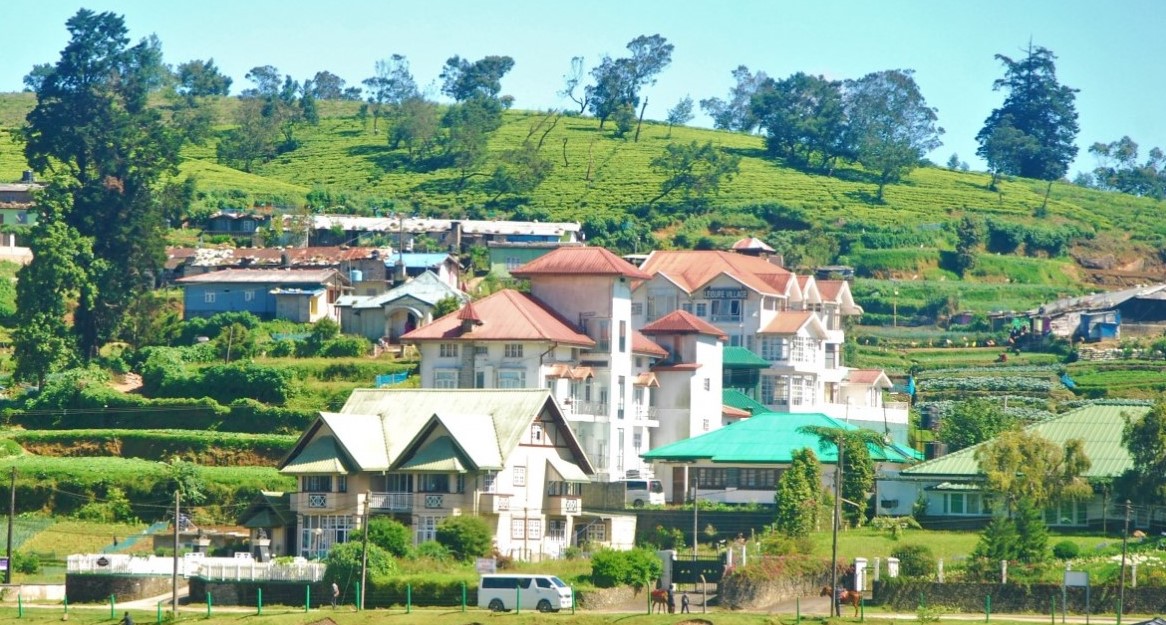
"From taro cultivation in Bogor to village tourism in Banyumas, every village has a story worth telling — and an opportunity worth sharing."
Seven areas of village knowledge
FolderDesa organizes its articles across these interconnected topics, each one grounded in real Indonesian village experience.
What you'll find on FolderDesa
Practical articles written by contributors who understand village life.
Agriculture & Cultivation
Articles on taro (talas bogor), dragon fruit, crystal guava, durian, oyster mushrooms, and tabulampot grapes — plus livestock such as dairy goats and Merino sheep.
Village-Owned Enterprises
Guides on establishing BUMDes, the differences from cooperatives, and why professional phased management matters for village economic growth.
Village Tourism
Coverage of destinations like Desa Karangkemiri in Banyumas, where outbound activities and a swimming pool helped tourism contribute Rp 50 million to village income in 2021.
Culinary Traditions
Indonesian village foods, Sundanese heritage dishes, spiced drinks, infused waters, seafood street-food ideas, and home-industry snack production.
Business Opportunities
From dried wood ear mushrooms and kopyor coconut seedlings to ecoprint crafting, bamboo crafts, and mina padi integrated rice-fish farming.
Village News & Community
Reports on social assistance programs like PKH, village governance structures, and practical tips such as safe homecoming travel during mudik season.
ising a village dance workshop for cultural heritage
Across the Indonesian archipelago, traditional dance is more than performance. It is a living archive, a teaching tool, and a magnet for village economies. From the graceful legong of Bali to the energetic saman of Aceh, every movement carries stories of harvest, marriage, and ancestor worship. For villages looking to keep their heritage alive while creating modest income, hosting a structured dance workshop can be one of the most rewarding projects a community undertakes, especially when it is rooted in genuine local participation rather than designed purely for outside visitors.
Australian readers may recognise a parallel in the way Indigenous dance workshops have become part of cultural festivals in places like Byron Bay and Melbourne. The mechanics are similar: trusted elders lead, younger participants learn the steps, and the wider community gathers to witness. In a small Indonesian village, the same shape can protect traditions that might otherwise fade as young people move to cities for work. A workshop creates a recurring reason to gather, a small income stream, and a chance to share the village's identity with curious travellers who wander off the well-trodden Bali trail.
Why a workshop, and not a one-off performance
A single performance raises money in the short term but does little to build capacity inside the village. A workshop asks participants to commit to a schedule, learn a sequence of movements, and understand the story behind each gesture. That repetition is exactly how dance traditions survived for centuries, through ritual practice tied to planting, harvest, and rites of passage.
When a village treats dance as a workshop programme rather than a tourist spectacle, the economic returns become more stable. Local guesthouses benefit from longer stays, warungs see steady meal orders, and the village gains a reputation as a cultural learning destination. The model mirrors the slow-travel trend Australian tourists seek when they trade a Bali beach week for a homestay in rural Java.
Mapping the village's dance heritage first
Before any workshop is announced, a small team should sit down with village elders and document the existing repertoire. Some dances are tied to specific seasons, while others carry sacred associations that limit who can learn them. A simple register of dance name, origin, music, costumes, and season protects the tradition from careless imitation and gives the workshop a clear curriculum.
This is also the moment to involve the village-owned enterprise, or BUMDes, if one exists. A workshop programme is a natural fit for a BUMDes that already handles homestays, agricultural tours, or craft sales. Pairing the dance register with a small catering offer can stretch the visitor's stay and add meaningful income. For villages considering broader food programming, making fermented foods at home is a useful complementary skill to develop alongside dance.
Choosing instructors and setting a schedule
The instructor should always be a respected local dancer, ideally someone who has performed the dance for decades and understands its etiquette. Bringing in a famous external choreographer might seem appealing, but it risks turning the workshop into a showcase rather than a lesson. The local teacher sets the tone, the pace, and the boundaries.
A workable schedule for a modest village might run for two weeks, with mornings for technique, late afternoons for full run-throughs, and one open rehearsal in the village square where families can drop in. Visitors typically arrive for three to five days, joining whichever session fits their travel plans. Charging a small daily fee, plus a costume hire contribution, keeps the workshop accessible while covering the instructor's honorarium and basic supplies.
Costumes, music and the right space
Costumes are often the first thing to plan, because they signal seriousness to both participants and visitors. Traditional fabrics, headpieces, and accessories should be sourced from village tailors and weavers wherever possible, which spreads income. A small loan fund from the BUMDes can help families prepare outfits they would otherwise struggle to afford. Music is equally vital: a gamelan set, kendang drum, or recorded accompaniment must be arranged in advance, with a designated space to store instruments safely between sessions.
Australian visitors, many of whom first encountered Indonesian music at multicultural festivals in Sydney or Perth, often appreciate a short pre-workshop talk on the instruments. Twenty minutes of context turns the experience into an immersive learning session and encourages longer bookings.
Funding, sponsors and a touch of goat economics
Workshop budgets in small villages rarely stretch far. Smart funding combines ticket income, modest grants from regional cultural offices, and small sponsorship from diaspora associations. Cities like Melbourne and Sydney have long-established Indonesian community groups that often welcome invitations to support their home villages, particularly when the project clearly benefits youth and elders together.
Where the village already keeps livestock, the workshop can be cross-promoted with agritourism. Visitors who spend a morning learning a dance sequence are often keen to spend an afternoon learning about village livelihoods. For readers curious about the financial side of smallholder livestock, raising goats for profit offers a useful reference point for thinking about village enterprise in general.
Documentation and youth buy-in
Every workshop should leave a record behind. A short video of the full sequence, photographs of costume details, and written notes on the meaning of each movement all help future participants. The documentation should be made with the village, not about it. Local youth can be trained to operate a simple camera and edit short clips on a phone, building digital skills in the process.
A practical tip is to store copies with the village library, the local school, and a trusted family member. If a tablet is available, upload a copy to a community cloud folder so the knowledge does not vanish if physical records are damaged. Young people who learn to teach the dance themselves are the strongest safeguard against its loss.
Workshop formats and practical steps
Different villages need different formats, and the right choice depends on goals, budget, and how much time the community can commit.
| Format | Best for | Investment | Time | Income potential |
|---|---|---|---|---|
| Short weekend workshop | Villages testing visitor interest | Low | Two days | Modest, covers costs |
| Two-week residency | Villages wanting deeper skills transfer | Medium | Fourteen days | Steady, builds reputation |
| Seasonal school | Villages with strong youth participation | Higher | Ongoing | Highest over time |
A weekend format suits a village dipping its toes in cultural tourism. A two-week residency draws serious learners and encourages longer stays. A seasonal school, held around planting or harvest festivals, anchors the dance in its original calendar and produces the strongest cultural outcomes.
Practical recommendations for getting started:
- Begin with a small pilot rather than a grand opening. Three to five committed learners is enough to refine the format.
- Build a written agreement with the instructor covering schedule, fees, and how cultural sensitivities will be respected.
- Set aside a contingency fund equal to roughly 10% of the budget for costumes, instrument repair, or weather-related changes.
- Invite at least one representative from the local government tourism office to the pilot. Their endorsement helps when applying for future grants.
- Keep a simple visitor log so the village can track who attends, where they come from, and what they enjoyed.
What stays with the reader, and with the village, is the moment when a child correctly performs a sequence their grandmother taught them, and a stranger from the other side of the world watches, claps, and understands something true. That shared recognition is the real return on a workshop well run, and it is worth the careful planning it requires.

Questions or story ideas from your village?
FolderDesa welcomes readers who want to share village experiences or learn more about the topics covered on the site.
Visit the Contact Page