
FolderDesa brings together practical knowledge on farming, village-owned enterprises, culinary traditions, rural tourism, and small-business ideas — all rooted in the everyday life of Indonesian villages.
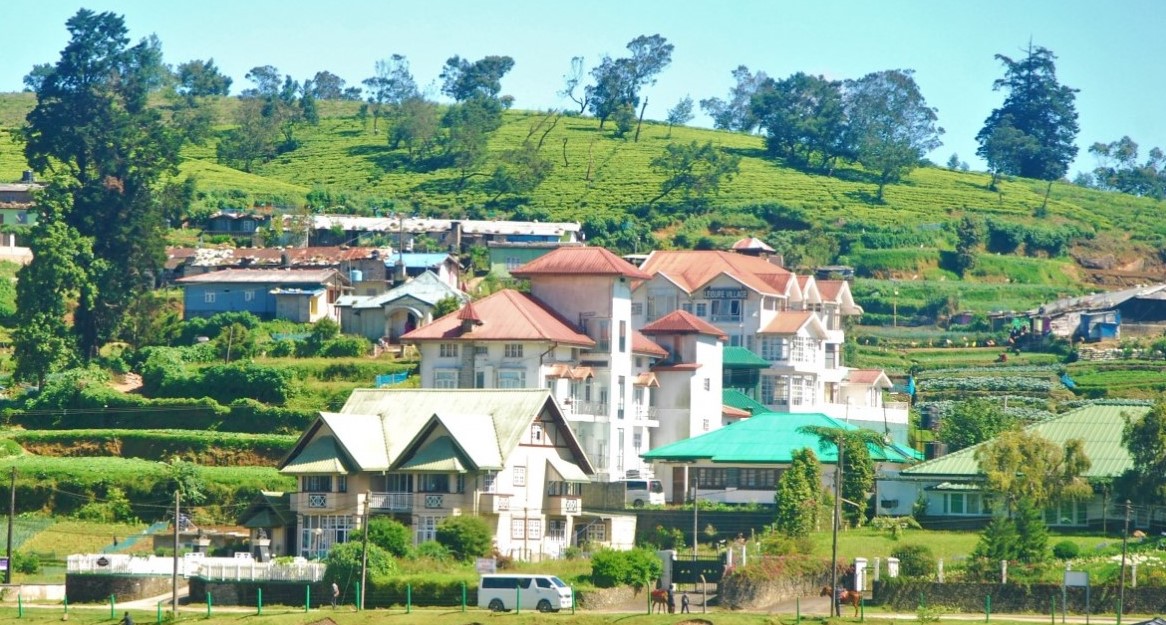
"From taro cultivation in Bogor to village tourism in Banyumas, every village has a story worth telling — and an opportunity worth sharing."
Seven areas of village knowledge
FolderDesa organizes its articles across these interconnected topics, each one grounded in real Indonesian village experience.
What you'll find on FolderDesa
Practical articles written by contributors who understand village life.
Agriculture & Cultivation
Articles on taro (talas bogor), dragon fruit, crystal guava, durian, oyster mushrooms, and tabulampot grapes — plus livestock such as dairy goats and Merino sheep.
Village-Owned Enterprises
Guides on establishing BUMDes, the differences from cooperatives, and why professional phased management matters for village economic growth.
Village Tourism
Coverage of destinations like Desa Karangkemiri in Banyumas, where outbound activities and a swimming pool helped tourism contribute Rp 50 million to village income in 2021.
Culinary Traditions
Indonesian village foods, Sundanese heritage dishes, spiced drinks, infused waters, seafood street-food ideas, and home-industry snack production.
Business Opportunities
From dried wood ear mushrooms and kopyor coconut seedlings to ecoprint crafting, bamboo crafts, and mina padi integrated rice-fish farming.
Village News & Community
Reports on social assistance programs like PKH, village governance structures, and practical tips such as safe homecoming travel during mudik season.
Organising a Village Storytelling Night to Keep Folklore Alive
Indonesia's villages hold a treasury of unwritten knowledge: tales of rice spirits that warn farmers against greed, lullabies sung to calm water buffalo, and family legends that explain why a particular hill is treated as sacred. As roads lengthen and young people drift toward cities in search of factory work, much of this oral heritage disappears within a single generation. A well-organised storytelling night offers a low-cost, high-impact way to gather, perform, and remember these riches before they fade.
Across the globe, communities are rediscovering the value of folklore as cultural glue. In Australia, the long tradition of Aboriginal storytelling — where Dreamtime narratives, songlines, and place-based knowledge pass between elders and children — has inspired renewed investment in community narrative events. From the literary salons of inner Melbourne to the multicultural book fairs of western Sydney, Australians are proving that an evening of shared stories can reshape how a neighbourhood sees itself.
Why Folklore Still Earns Its Place
Folklore carries weather knowledge, planting calendars, kinship rules, and warnings about which forests are unsafe to enter at night. When a grandmother stops telling her granddaughter why the village well must not be drained during the dry season, that practical wisdom goes with her. A storytelling night interrupts that loss by giving elders a public stage and giving younger listeners a reason to record, ask questions, and remember.
The urgency is felt far beyond Indonesia. Aboriginal organisations around Brisbane and Perth have spent decades advocating oral history projects, while in Adelaide the South Australian Folk Festival has turned regional myths into a celebrated annual ritual. Village leaders in Indonesia can borrow from these experiences: treat every tale as data, treat every elder as a living archive, and treat the night itself as a recorded event, not just a pleasant gathering.
Choosing a Venue That Resonates With Local History
The room matters as much as the script. A village pendopo, a balai desa, a school courtyard shaded by banyan trees, or even a cleared rice field at dusk can all serve. Look for a space with reasonable acoustics, enough seating for fifty to one hundred people, and minimal traffic noise. If electricity is unreliable, plan battery-powered lamps and a small generator as backup.
Australian organisers wrestle with similar trade-offs. Community halls in Hobart's Salamanca district host winter folklore nights where damp weather forces everything indoors, while pop-up events at Sydney's Carriageworks rely on industrial lighting rigs to simulate intimacy inside a warehouse. Walk through your chosen space the day before and imagine where an elder will sit, where children will curl up on mats, and where the storyteller will stand so that every voice carries without a microphone.
Curating Authentic Tales and Choosing the Right Voices
Aim for variety. Begin with a short welcome from the village head, followed by two or three elder storytellers presenting different genres — perhaps a creation myth, a cautionary legend, and a humorous family anecdote. Add a younger voice, such as a school pupil who has interviewed a grandparent and retells what they heard. Avoid turning the night into a lecture; the magic lives in cadence, gesture, and the occasional pause for laughter.
Many Australian festivals apply the same principle. In Melbourne, the writers' festival programme deliberately pairs established First Nations storytellers with teenage poets to bridge generations. In Perth, the Indian Ocean Craft Triennial includes evening sessions where Greek, Malay, and Italian migrants share arrival stories alongside Noongar elders recounting coastal legends. Invite a respected storyteller from a neighbouring village, or collaborate with a local school drama club to perform a dramatised folktale.
Setting the Sensory Scene
Dim, warm light from oil lamps or string bulbs signals that this is not an ordinary evening. Brew coffee or serve wedang jahe in clay cups, scatter jasmine flowers near the storytelling chair, and let a single gamelan or kendang drum supply the opening and closing music. If you have a sound system, test it the afternoon before; cracked speakers ruin the mood faster than a forgotten microphone.
Between the longer recitations, shorter interactive moments keep attention alive. Riddles, quick puzzles, and evening games and contests can punctuate the programme and give shy listeners a reason to participate. In multicultural Australian storytelling circles, organisers often insert similar interludes — a quick language game at a Brisbane South Bank community night, or a short trivia round at a Parramatta cultural festival — to bridge the gap between serious tradition and casual fun.
Drawing In Schools, Elders, and Youth
A storytelling night lives or dies on who walks through the door. Send personal invitations to senior residents, asking them to bring a younger family member. Coordinate with the local primary school so children can attend in groups and perhaps present a story they have rehearsed in class. Offer light refreshments and a modest honorarium for participating elders; even a packet of coffee and a length of batik fabric communicates genuine respect.
Australian parallels are easy to find. Sydney's Fairfield City Museum runs annual multicultural nights where Year 6 students perform stories gathered from refugee grandparents, and similar programmes thrive around Adelaide's Italian and Greek communities. When schools and seniors share the same programme, the result feels less like an event and more like a village rite.
Recording the Night for the Long Term
Stories told once and forgotten serve no one. Borrow a decent audio recorder or smartphone, capture both voice and ambient sound, and take photographs with permission. Keep a written log of who told which tale, in what language, and on what date. Store everything in a labelled folder on a community laptop, with backup copies on a cloud drive. After a few seasons, your village will own a growing library that researchers, schools, and tourists can consult.
Comparable work happens at the National Film and Sound Archive in Canberra, and ABC local radio stations across regional Australia run regular projects to preserve community stories before they vanish. A village storytelling night can quietly join that global archive, provided the act of recording is treated as seriously as the act of telling.
Funding, Promotion, and Keeping the Tradition Going
Budgets need not be lavish. Allocate funds for refreshments, modest honoraria, fuel for a generator, and printed posters. Approach the local BUMDes, the village tourism group, or the district cultural office for small sponsorship; in return, feature them in programmes and posts. Promotion can be flyers at the warung, an announcement after Friday prayers, and a short video shared on WhatsApp groups.
For villages hoping to reach younger audiences and outside visitors, learning how to promote the event online can multiply attendance without multiplying the budget. A single well-edited reel, a hashtag for the series, and a few partnerships with travel bloggers can transform a one-off evening into a recurring seasonal fixture that draws domestic tourists and curious researchers alike.
Practical Steps to Make the Night Unforgettable
- Confirm the date, venue, and storyteller line-up at least three weeks ahead.
- Test lighting, sound, and seating on the afternoon before the event.
- Prepare printed programmes with story titles, tellers, and a short cultural note for each tale.
- Station a greeter at the entrance to seat elders first and guide latecomers quietly.
- Have water and snacks ready in a quiet corner for storytellers between sessions.
- Assign one volunteer to manage recording equipment throughout the evening.
- Hold a short debrief the next morning to gather feedback and sketch the next gathering.
Pick a date this month and visit two village elders this week to ask which tale they would most like to share; their answers will shape the entire programme and signal to the wider community that something meaningful is on the way.

Questions or story ideas from your village?
FolderDesa welcomes readers who want to share village experiences or learn more about the topics covered on the site.
Visit the Contact Page