
FolderDesa brings together practical knowledge on farming, village-owned enterprises, culinary traditions, rural tourism, and small-business ideas — all rooted in the everyday life of Indonesian villages.
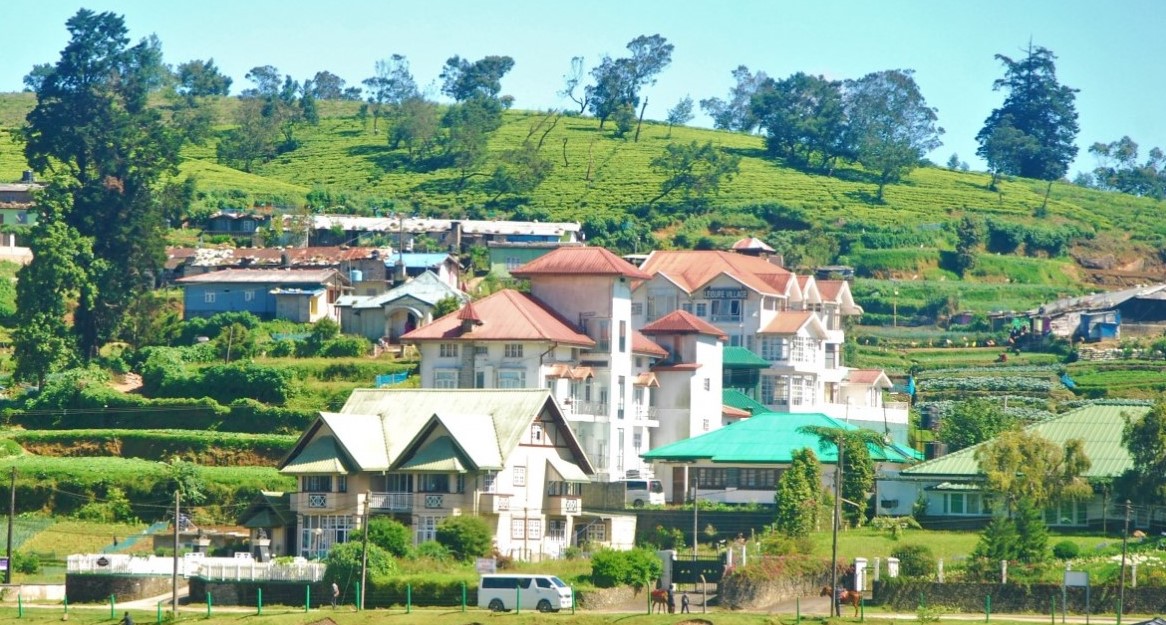
"From taro cultivation in Bogor to village tourism in Banyumas, every village has a story worth telling — and an opportunity worth sharing."
Seven areas of village knowledge
FolderDesa organizes its articles across these interconnected topics, each one grounded in real Indonesian village experience.
What you'll find on FolderDesa
Practical articles written by contributors who understand village life.
Agriculture & Cultivation
Articles on taro (talas bogor), dragon fruit, crystal guava, durian, oyster mushrooms, and tabulampot grapes — plus livestock such as dairy goats and Merino sheep.
Village-Owned Enterprises
Guides on establishing BUMDes, the differences from cooperatives, and why professional phased management matters for village economic growth.
Village Tourism
Coverage of destinations like Desa Karangkemiri in Banyumas, where outbound activities and a swimming pool helped tourism contribute Rp 50 million to village income in 2021.
Culinary Traditions
Indonesian village foods, Sundanese heritage dishes, spiced drinks, infused waters, seafood street-food ideas, and home-industry snack production.
Business Opportunities
From dried wood ear mushrooms and kopyor coconut seedlings to ecoprint crafting, bamboo crafts, and mina padi integrated rice-fish farming.
Village News & Community
Reports on social assistance programs like PKH, village governance structures, and practical tips such as safe homecoming travel during mudik season.
Drawing the village: a children's art competition for rural Indonesia
In the cool shade of a balai desa, a stack of paper and a handful of crayons can do more than fill an afternoon. A well-run drawing competition invites children to see their own surroundings with fresh eyes — the rice paddies behind the mosque, the goats tied under the mango tree, neighbours carrying water from the well. When the theme is rural life, the event becomes both a celebration and a quiet record of how a village sees itself.
For organisers in Indonesia, partnering with a school, a posyandu, or a village-owned enterprise can turn a simple contest into a community ritual. The model travels well, and there are useful lessons to borrow from Australian country shows and school fêtes, where children's art sections have run for generations under volunteer committees and strict child-safety rules. The result, when done thoughtfully, is a low-cost activity that strengthens identity, gives young people a voice, and creates artwork the whole village can be proud of.
What follows is a practical guide to planning, funding, and running a village drawing event, with notes on safety, judging, and what to do with the finished pieces. It is written for village organisers, teachers, parents, and any Australian partner who wants to support a sister community without imposing an outside agenda.
Setting the purpose and theme
The strongest competitions begin with a clear purpose. Some villages use the event to mark Independence Day on 17 August, others tie it to a planting season or a local harvest festival. A useful first step is to write a one-sentence aim: "to help children express pride in our village landscape" or "to record traditional farming life before it changes." That sentence guides every later decision, from the poster text to the choice of judges.
The theme itself should be broad enough for every child to enter but specific enough to produce memorable work. "Our village life" works better than "nature." "Things my grandparents grow" can spark drawings of cassava, cloves, or backyard chickens. In Australia, similar themes appear in school competitions in New South Wales and Victoria, where prompts like "life on the land" draw entries about sheep yards, citrus groves, and coastal fishing.
Building the organising committee
A competition of fifty to a hundred children needs at least five people: a coordinator, a treasurer, two judges, and a safety officer who also handles parental consent. In a village setting, these roles are often shared with the kepala desa, the PKK women's group, and a local teacher. Spelling out duties in writing avoids the common problem of everyone assuming someone else has ordered the prizes.
If an Australian sponsor is involved, the partner group should register at home. Many small not-for-profits apply through the Australian Charities and Not-for-profits Commission, and any adult working closely with children must hold a current Working with Children check in their state, such as a WWCC in New South Wales or a Working with Vulnerable People card in the ACT. These checks are not just paperwork; they reassure parents that visitors are vetted.
Rules, prizes and judging
Clear rules prevent arguments. Limit entries to one per child, set a paper size, and decide whether crayons, coloured pencils, or watercolours are allowed. A small entry fee of a few thousand rupiah covers materials, and free entry should be offered to any child who cannot pay. Age groups of under-eight, eight-to-eleven, and twelve-to-fifteen keep judging fair.
Judges can include a local artist, a teacher, and one outsider — perhaps a representative from a partner organisation such as https://ocd2019.org/ — to reduce bias. Score on a simple rubric: relevance to the theme, originality, use of colour, and effort. Prizes do not need to be expensive; in Australian school fairs, a ribbon and a small art kit often mean more to a child than cash.
Materials, venue and budget
A village hall, a classroom, or even a shaded veranda is enough. Each child needs a flat surface, a cup of water for brushes, and a small rubbish bag. A budget of three to five million rupiah covers paper, pencils, snacks, a sound system, and modest prizes. A short, written budget shared with sponsors builds trust.
If you have leftover vegetable scraps from the judges' morning tea, set up a simple corner bin and explain how a household composting routine turns peelings into garden fertiliser. It is a small educational moment that costs nothing and connects the day to a broader village conversation about waste.
Promoting the event and involving families
Promotion in rural Indonesia still relies heavily on the village loudspeaker, the WhatsApp group, and a poster at the warung. Visit the local primary school two weeks before the event and ask the headmaster to read a short announcement. A simple registration form, kept on a single sheet of paper, collects the child's name, age, and parent's signature for consent.
Australian partner groups can help by sharing the call through their own networks, but the message should always be delivered in Bahasa Indonesia at the village end. A bilingual poster in English and Indonesian also works well when sponsors from Sydney or Melbourne want to show their supporters the result.
Running the day
Open the morning with a short welcome from the kepala desa and a one-minute explanation of the theme. Give children ninety minutes to draw, with a brief break for snacks. Keep a first-aid kit and a list of emergency contacts on hand, and keep at least two adults present throughout, in line with the National Principles for Child Safe Organisations that any visiting Australian group should follow.
End the day with a small exhibition. Pin every drawing on a string between two bamboo poles so no child feels excluded, even if they do not win. Parents linger, neighbours photograph the work, and the village gains a fresh portrait of itself.
What happens after
Do not let the drawings sit in a cardboard box. Photograph each one, share the photos with sponsors, and ask the PKK group whether any can be framed for the balai desa. The best entries can be reprinted as a calendar or a small booklet sold at the local market to fund next year's event. A short report, written in plain language, closes the loop with every volunteer and donor.
| Role | Suggested person | Main task | Key item to prepare |
|---|---|---|---|
| Coordinator | Village secretary | Timeline, venue, promotion | Written event plan |
| Treasurer | PKK treasurer | Cash handling, receipts | Simple budget sheet |
| Safety officer | Local teacher or nurse | First aid, consent forms | Child safety checklist |
| Judges (2–3) | Local artist, teacher, partner rep | Scoring, short feedback | Judging rubric |
| Volunteers (3–5) | Youth group, parents | Setup, serving, tidying | Duty roster |
A village drawing competition costs little, asks only for time and attention, and leaves behind something the whole community can see. Treat it less as a one-off contest and more as an annual habit, and the balai desa wall will slowly fill with a children's-eye record of rural life worth keeping.

Questions or story ideas from your village?
FolderDesa welcomes readers who want to share village experiences or learn more about the topics covered on the site.
Visit the Contact Page