
FolderDesa brings together practical knowledge on farming, village-owned enterprises, culinary traditions, rural tourism, and small-business ideas — all rooted in the everyday life of Indonesian villages.
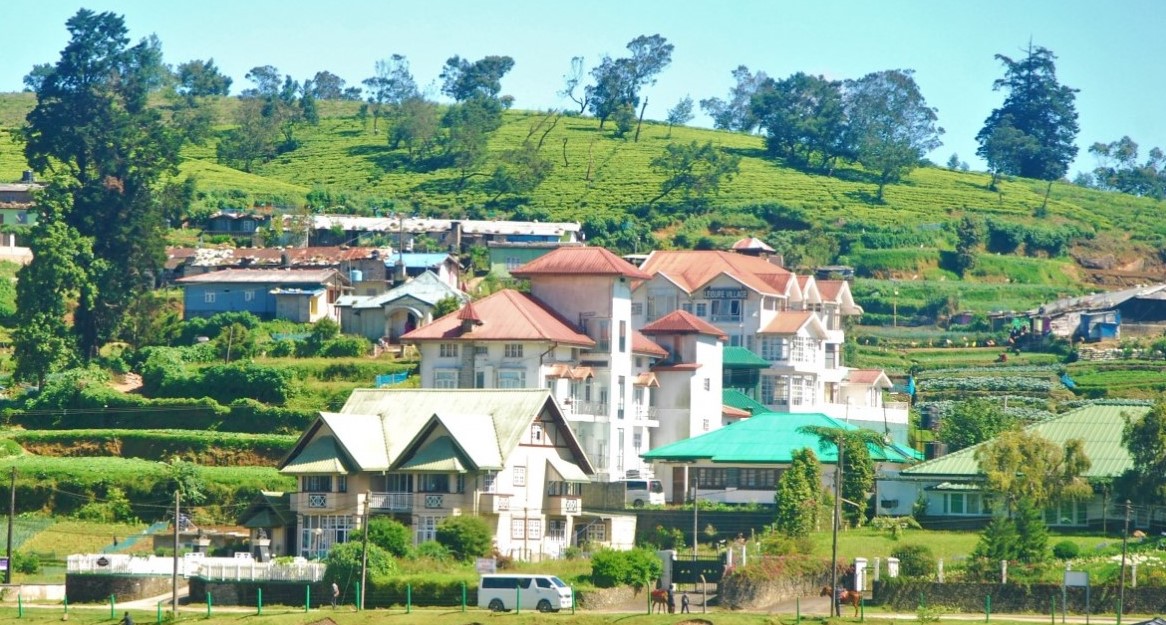
"From taro cultivation in Bogor to village tourism in Banyumas, every village has a story worth telling — and an opportunity worth sharing."
Seven areas of village knowledge
FolderDesa organizes its articles across these interconnected topics, each one grounded in real Indonesian village experience.
What you'll find on FolderDesa
Practical articles written by contributors who understand village life.
Agriculture & Cultivation
Articles on taro (talas bogor), dragon fruit, crystal guava, durian, oyster mushrooms, and tabulampot grapes — plus livestock such as dairy goats and Merino sheep.
Village-Owned Enterprises
Guides on establishing BUMDes, the differences from cooperatives, and why professional phased management matters for village economic growth.
Village Tourism
Coverage of destinations like Desa Karangkemiri in Banyumas, where outbound activities and a swimming pool helped tourism contribute Rp 50 million to village income in 2021.
Culinary Traditions
Indonesian village foods, Sundanese heritage dishes, spiced drinks, infused waters, seafood street-food ideas, and home-industry snack production.
Business Opportunities
From dried wood ear mushrooms and kopyor coconut seedlings to ecoprint crafting, bamboo crafts, and mina padi integrated rice-fish farming.
Village News & Community
Reports on social assistance programs like PKH, village governance structures, and practical tips such as safe homecoming travel during mudik season.
Organising a village batik dyeing workshop using indigo plants
Australian weekend markets are seeing a quiet return to plant-based pigments. In Brisbane, Perth and Hobart, small workshops gather around vats of fermented indigo, linking local crafters with centuries of Indonesian textile tradition. The village batik method, using wax-resist patterns and blue dye from Indigofera plants, travels well between cultures because it rewards patience and shared storytelling.
Running such a workshop in a village context brings its own rewards. In rural Indonesia, neighbours already share kitchens, tools and news; in Australia, organisers recreate that warmth by pairing newcomers with experienced dyers around a long table. The aim is to honour the spirit of a Javanese studio while adapting the workflow to local water sources and seasonal weather.
This piece covers the practical steps of hosting a village batik workshop, from sourcing plants and building a dye vat to teaching the wax-resist technique and selling finished cloth. It also notes participant management, safety around hot wax, and how to find buyers in Australian markets.
Sourcing indigo and planning the venue
Indigo grows in warm climates. While Indonesia cultivates it across Sumatra and Java, small-scale Australian growers are now raising it in the tropical north and in greenhouses around Adelaide. Dried leaf powder is available from speciality suppliers in Melbourne and from online dye cooperatives that ship nationwide. Buying in bulk keeps costs down and ensures enough pigment for a full day of dipping.
A community hall with good ventilation, a sink for rinsing, and outdoor access works well in suburban Sydney or regional Victoria. Markets such as Queen Victoria in Melbourne or Paddy's in Sydney sometimes host short-format workshops in their upper levels. Choose a space with plenty of natural light for tracing patterns and flooring that can handle splashes of blue dye. Materials worth gathering in advance:
- Cotton or linen fabric, pre-washed to remove sizing
- Canting tools or fine brushes, plus a small pot for melting wax
- A 20-litre plastic bucket, rainwater, slaked lime and fructose
- Indigo powder, gloves, aprons and old towels for cleanup
Preparing the dye vat
A living indigo vat relies on fermentation rather than heat, which makes it safer than chemical alternatives. Fill a plastic or stainless-steel container with rainwater if possible, as chlorine in tap water slows fermentation in many Australian towns. Add slaked lime and fructose, stir gently, and introduce the indigo powder. The mixture turns yellow-green before settling into a working blue-green tone.
Prepare the vat two to three days before the workshop so it matures. Cover it loosely to let gases escape while keeping insects out, especially during warmer months in northern Queensland. Test the dye on a scrap of cotton before participants arrive, and keep extra powder on hand if the colour looks weak. A prepared vat stays active for several weeks when fed occasionally with fructose and stirred each morning.
Welcoming participants and setting expectations
Keep the first session small, around six to eight people, so each participant receives individual attention at the waxing and dipping stages. In Australian community settings, word of mouth through local libraries, schools and migrant associations fills places faster than paid advertising. A clear description of what the day involves helps avoid surprises: closed-toe shoes, old clothes, a willingness to work slowly, and patience with imperfect results.
Charge enough to cover materials and a modest facilitator fee, but consider a sliding scale so students or retirees on fixed incomes can attend. Anyone interested in hosting a private session or school incursion can reach out through the workshop enquiry page to discuss dates and group sizes. Setting expectations early means the day itself runs with fewer interruptions and more time for actual dyeing.
Teaching the wax and dye stages
Begin with a demonstration of the canting tool, the small copper reservoir on a wooden handle Indonesian dyers use to draw fine lines with hot wax. Show how to hold it, dip it into the melted wax, and let the wax flow smoothly across the fabric without flooding the design. First attempts often wobble, and that is part of the learning. Participants who prefer bold patterns can use a cap or brush to cover larger areas.
Once the wax dries, the cloth is dipped into the indigo vat for several minutes, then lifted and oxidised in open air. The colour shifts from green to blue as oxygen reaches the fibres, which always draws a smile from first-time dyers. A simple step-by-step guide helps less experienced facilitators keep the pace steady, especially when explaining the resting time between dips for deeper shades.
Drying, rinsing and fixing the colour
After the final dip, hang the cloth in indirect sunlight for an hour so the indigo bonds with the fibres. Australia's strong sun in places like Perth or inland New South Wales can fade fabric if it sits out too long, so a shaded verandah works better than full exposure. Once dry, remove the wax by placing the cloth between newspaper and pressing with a warm iron, or by dipping it briefly into hot water.
Rinse the finished pieces in cool water until the runoff clears, then wash with a gentle pH-neutral soap. Hang to dry away from direct heat. Properly fixed indigo softens with each wash without losing its colour, which appeals to buyers who want garments that age well. Store finished pieces flat or rolled rather than folded to avoid creasing the waxed lines.
Selling at weekend markets and online
Australian buyers respond well to textiles with a clear story, so the workshop's Indonesian roots become a selling point. Stallholders at Salamanca Market in Hobart or Mindil Beach in Darwin often display the natural dye process alongside finished cloth, with a small card explaining the indigo plant and fermentation method. Pricing should reflect the hours of work involved, well above mass-produced alternatives but below boutique gallery rates.
Build an online presence through Instagram or a simple website where customers can see the workshop in action. Many Australian makers sell finished batik through local sewing cooperatives, fair-trade shops in Fitzroy and Newtown, or at pop-ups during cultural festivals. Keep a small inventory of scarves, cushion covers and table runners to satisfy impulse buyers at the stall.
Building a recurring calendar
A one-off workshop can spark interest, but a regular program builds a community of practice. Aim for four sessions a year, timed around school holidays and major market days, so participants know when to expect the next gathering. Rotate themes such as shibori folding, geometric motifs, or natural indigo overdyeing with turmeric to keep returning dyers engaged.
Track expenses carefully and set aside part of each ticket sale toward maintaining the vat, replacing canting tools, and supporting a sister workshop in Indonesia through remittance or shared materials. Local realities worth keeping in mind:
- Water quality varies across Australian regions, so test rainwater versus tap water before relying on a single source.
- Bushfire season affects outdoor venues from November to March, particularly in New South Wales and Victoria, so have an indoor backup.
- Cultural festivals in Sydney and Adelaide provide ready-made audiences for naturally dyed textiles.
- Insurance requirements differ between casual markets and registered community halls, so confirm cover before the first session.
When the dye vat stays active and the table stays full, the workshop becomes more than a craft class. It turns into a small bridge between a Javanese village and an Australian suburb, where the same blue cloth carries stories from both places. The most lasting takeaway is that a workshop succeeds when participants leave wanting to return, bring a friend, and perhaps plant an indigo seedling in their own backyard.

Questions or story ideas from your village?
FolderDesa welcomes readers who want to share village experiences or learn more about the topics covered on the site.
Visit the Contact Page