
FolderDesa brings together practical knowledge on farming, village-owned enterprises, culinary traditions, rural tourism, and small-business ideas — all rooted in the everyday life of Indonesian villages.
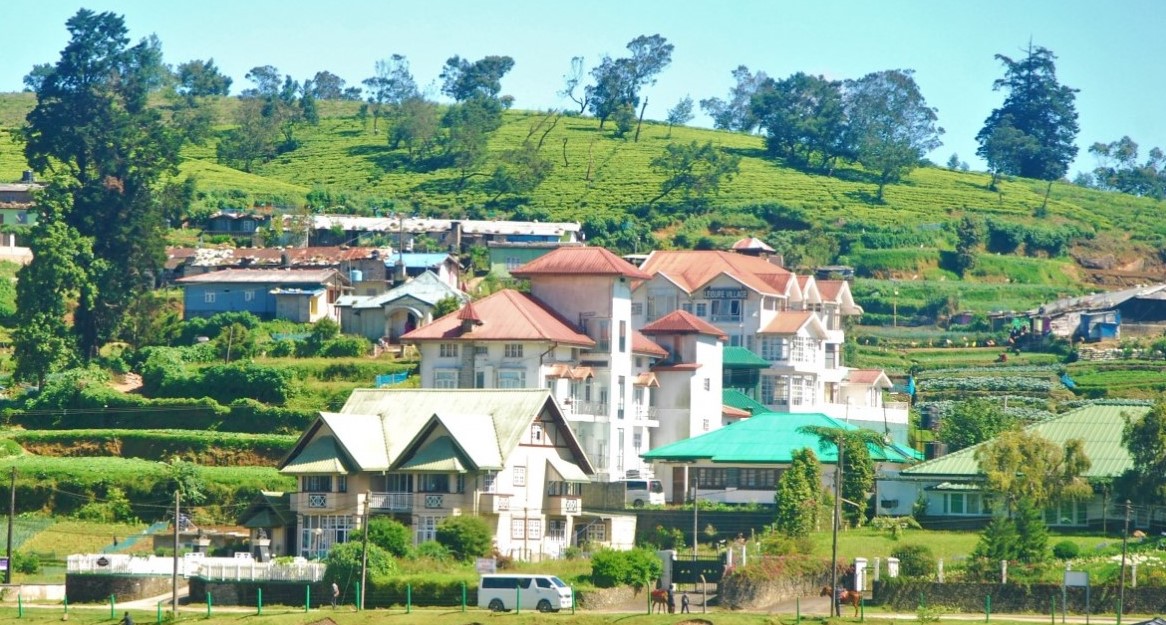
"From taro cultivation in Bogor to village tourism in Banyumas, every village has a story worth telling — and an opportunity worth sharing."
Seven areas of village knowledge
FolderDesa organizes its articles across these interconnected topics, each one grounded in real Indonesian village experience.
What you'll find on FolderDesa
Practical articles written by contributors who understand village life.
Agriculture & Cultivation
Articles on taro (talas bogor), dragon fruit, crystal guava, durian, oyster mushrooms, and tabulampot grapes — plus livestock such as dairy goats and Merino sheep.
Village-Owned Enterprises
Guides on establishing BUMDes, the differences from cooperatives, and why professional phased management matters for village economic growth.
Village Tourism
Coverage of destinations like Desa Karangkemiri in Banyumas, where outbound activities and a swimming pool helped tourism contribute Rp 50 million to village income in 2021.
Culinary Traditions
Indonesian village foods, Sundanese heritage dishes, spiced drinks, infused waters, seafood street-food ideas, and home-industry snack production.
Business Opportunities
From dried wood ear mushrooms and kopyor coconut seedlings to ecoprint crafting, bamboo crafts, and mina padi integrated rice-fish farming.
Village News & Community
Reports on social assistance programs like PKH, village governance structures, and practical tips such as safe homecoming travel during mudik season.
Managing a Village Tilapia Hatchery for Reliable Local Income
A small tilapia hatchery can give an Indonesian village a dependable source of income while supporting ponds, rice-field systems, restaurants, and household fish farms. Its success depends less on having expensive equipment than on controlling water quality, broodstock, feeding, records, and sales with discipline.
The business also needs to fit local conditions. Electricity may be unreliable, buyers may prefer live fish, and seasonal rain can quickly change water quality. For readers in Australia, there is an important legal distinction: tilapia are invasive and regulated in several Australian states, including Queensland, so the methods discussed here apply to lawful village aquaculture in Indonesia rather than private stocking in Australian waterways.
Start with a practical hatchery design
A village hatchery should begin with a manageable production target. A shaded area with clean water, drainage, tanks, nets, buckets, weighing scales, and basic aeration is often more useful than a large building that the cooperative cannot maintain. Separate spaces are needed for broodfish, spawning, fry nursing, and packing.
Water should enter through a simple filter made from mesh, gravel, or another suitable material, then leave the hatchery without flowing into canals or natural waterways. Tanks should be easy to scrub and drain. A roof protects fry from heavy rain and excessive heat, while shade cloth helps keep midday temperatures stable in tropical areas.
The layout must also support hygiene. Workers should use separate nets for different tanks, remove dead fish promptly, and avoid moving water from an unhealthy tank into a clean one. A footbath, handwashing point, and dedicated boots are inexpensive measures that reduce disease transmission.
Select broodstock and control spawning
Healthy broodfish are the foundation of a profitable tilapia seed operation. Choose active fish with strong body shape, even growth, clean skin, and no signs of sores or deformity. Avoid relying on a few related fish for many production cycles, because inbreeding can reduce growth and survival. A cooperative can keep records of where broodstock came from and replace older breeders on a planned schedule.
Tilapia often reproduce readily, which can appear helpful but create uneven batches of fry. Too many uncontrolled spawns produce mixed-sized fish and make feeding difficult. Broodfish should therefore be kept in managed groups, with spawning areas checked regularly. Eggs or newly hatched fry can be collected carefully and moved to nursery tanks according to the hatchery’s chosen production method.
Many commercial growers prefer predominantly male fingerlings because males generally grow faster and avoid early breeding in grow-out ponds. Any sex-reversal or hormonal technique must follow Indonesian regulations, approved technical guidance, and proper worker-safety procedures. A village enterprise should obtain advice from the local fisheries office or an aquaculture extension worker before selling specialised seed.
Maintain water quality and fry survival
Fry are vulnerable to sudden changes in water temperature, oxygen, ammonia, and pH. Staff should inspect tanks each morning and evening, noting fish behaviour, water colour, mortalities, feeding response, and recent weather. A basic kit for dissolved oxygen, pH, ammonia, and temperature is a worthwhile investment, even when the enterprise begins with only a few tanks.
Overfeeding is a common cause of poor water quality. Feed small amounts that fry can consume quickly, and remove uneaten material where possible. Partial water changes are safer than emptying a tank completely, particularly when fry are tiny. Aeration should be available during hot weather, power cuts, and periods of heavy stocking.
Monsoon rain can dilute or contaminate water supplies, while dry-season shortages may concentrate waste. Similar seasonal planning matters in Australia, where a hatchery near Brisbane may face summer storms and heat, while a farm outside Perth may need to manage very dry conditions. The principle is the same: store clean water, protect inlets, and prepare backup aeration before a crisis occurs.
Build a market before expanding production
A hatchery should identify buyers before increasing output. Potential customers include household pond owners, grow-out farmers, village food stalls, restaurants, fish traders, and BUMDes-supported farming groups. Ask buyers what fingerling size they want, how often they purchase, whether they need delivery, and what mortality rate they consider acceptable.
Pricing should include broodstock replacement, feed, electricity, labour, medicines or approved treatments, transport, packaging, equipment repairs, and losses. Selling very cheaply may attract customers but leave the business unable to maintain water pumps or replace breeding fish. A simple cashbook can show the actual cost per batch and the margin per thousand fingerlings.
Market positioning can also be local and cultural. During busy food periods such as Ramadan or village celebrations, demand for table fish may rise, although a hatchery should not confuse seed sales with harvest-fish sales. For Australians assessing Indonesian market opportunities, links between village producers and Indonesian restaurants or Asian grocers in Sydney and Melbourne may be relevant, but live-fish transport and import rules require professional legal advice.
Organise records, people, and biosecurity
Every batch should have a date, parent group, tank number, estimated quantity, feed use, treatment history, mortality, grading result, and buyer. These records help staff identify which broodstock perform well and which tanks repeatedly produce weak fry. They also make it easier for a village government or BUMDes board to review whether the enterprise is genuinely profitable.
Roles should be clear. One person can oversee water and equipment, another can manage feeding and grading, and a sales or administration worker can coordinate orders and payments. Written routines are valuable when trained staff are absent. Short weekly meetings can address stock levels, customer complaints, repairs, and the next production cycle.
Biosecurity extends beyond the hatchery gate. Do not buy fish from unknown sources without checking their condition, quarantine new broodstock, and never release unwanted tilapia into rivers, irrigation canals, dams, or wetlands. This is especially important for Australian readers: tilapia are regarded as a serious invasive pest in parts of northern Australia, including Queensland, and local laws may prohibit possession, transport, or release.
A village enterprise can use the same practical approach recommended in broader farm management guidance: start with a realistic scale, measure inputs and outputs, and expand only when the system is stable. Training should include safe handling, customer communication, and basic financial literacy, so the hatchery creates skills as well as income.
The first production cycle should be treated as a controlled trial rather than a race for maximum output. Begin with a limited number of broodfish, test water and survival records daily, confirm two or three reliable buyers, and review the complete cost after the first batch of fingerlings is sold. Then use those figures to decide whether the next cycle should add tanks, improve aeration, or simply strengthen routine management.

Questions or story ideas from your village?
FolderDesa welcomes readers who want to share village experiences or learn more about the topics covered on the site.
Visit the Contact Page