
FolderDesa brings together practical knowledge on farming, village-owned enterprises, culinary traditions, rural tourism, and small-business ideas — all rooted in the everyday life of Indonesian villages.
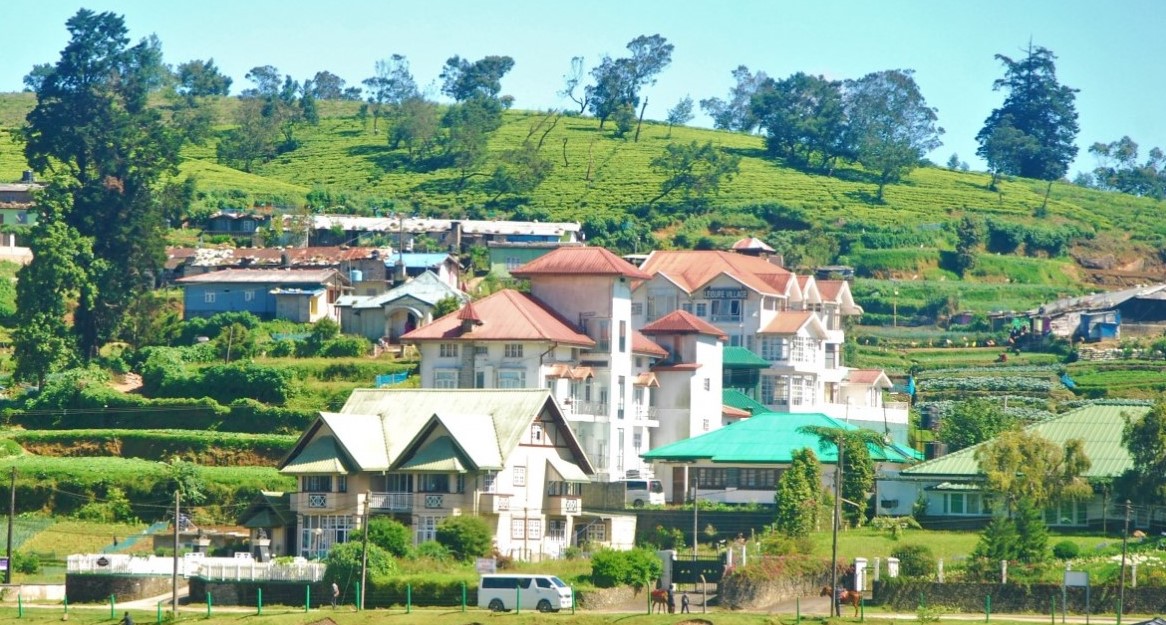
"From taro cultivation in Bogor to village tourism in Banyumas, every village has a story worth telling — and an opportunity worth sharing."
Seven areas of village knowledge
FolderDesa organizes its articles across these interconnected topics, each one grounded in real Indonesian village experience.
What you'll find on FolderDesa
Practical articles written by contributors who understand village life.
Agriculture & Cultivation
Articles on taro (talas bogor), dragon fruit, crystal guava, durian, oyster mushrooms, and tabulampot grapes — plus livestock such as dairy goats and Merino sheep.
Village-Owned Enterprises
Guides on establishing BUMDes, the differences from cooperatives, and why professional phased management matters for village economic growth.
Village Tourism
Coverage of destinations like Desa Karangkemiri in Banyumas, where outbound activities and a swimming pool helped tourism contribute Rp 50 million to village income in 2021.
Culinary Traditions
Indonesian village foods, Sundanese heritage dishes, spiced drinks, infused waters, seafood street-food ideas, and home-industry snack production.
Business Opportunities
From dried wood ear mushrooms and kopyor coconut seedlings to ecoprint crafting, bamboo crafts, and mina padi integrated rice-fish farming.
Village News & Community
Reports on social assistance programs like PKH, village governance structures, and practical tips such as safe homecoming travel during mudik season.
Managing a village small-scale palm sugar refining cooperative
Across Indonesia, village cooperatives have long been a quiet engine of rural prosperity. Palm sugar, made from the sap of the aren or coconut palm, fits this model because it requires only modest equipment, family labour, and trees that already grow in the village landscape. When a small group of farmers decides to refine and market the sugar together rather than selling raw nira to passing traders, the returns stay in the community and the work becomes more predictable.
For readers in Australia, the parallels with familiar models are worth noting. Community-supported agriculture boxes in Brisbane, the Margaret River farmers' cooperative in Western Australia, and bush tucker enterprises led by Indigenous communities in the Northern Territory all show that small-scale, place-based food businesses can thrive when managed with care. A palm sugar cooperative in Java or Sumatra can borrow ideas from these Australian examples while staying rooted in its own traditions.
Building a member-driven structure for the cooperative
A refining cooperative works best when the rules are written down and understood by every member before the first batch is boiled. Start by defining who can join, how shares or contributions are calculated, and how profits are split at the end of each harvest season. Many use a simple system where each member contributes a set amount of nira per week and receives a share of the finished sugar.
Quarterly gatherings in the balai desa, or village hall, give members a chance to review prices, discuss equipment repairs, and plan ahead for religious holidays when demand for sweet ingredients peaks. Keep minutes in a shared notebook so newcomers can read the history of decisions and understand how the original refining rules were agreed upon.
Sourcing quality sap from nearby palm groves
The character of palm sugar depends almost entirely on the freshness of the sap. Cooperatives that collect nira twice a day, morning and late afternoon, produce a sweeter, cleaner sugar than those who let the sap sit overnight in plastic buckets. Train tappers to use clean bamboo containers, not reused jerrycans, and pay a premium for sap delivered within three hours of tapping.
Cooperative leaders often map which groves belong to which member, then rotate collection routes so the workload stays fair. In some Sumatran villages, the cooperative also buys extra sap from non-members during peak season, offering a slightly lower price that still beats what travelling middlemen would pay. This keeps the supply steady without locking out neighbouring households.
Setting up a low-cost refining workspace
A starter refining room does not need to be fancy, but it does need to be hygienic and easy to clean. A raised concrete floor, a thatched or zinc roof, and a brick or gas-fired wok station will serve a cooperative of fifteen to twenty members. Most important is a reliable water source, whether a bore, a gravity-fed spring, or a rainwater tank, since every stage needs clean rinsing.
Essential supplies for a starter refining room
- Stainless steel wok with a wide mouth for even evaporation
- Coconut fibre strainers or food-grade mesh cloth
- Wooden moulds shaped into blocks or small cups
- Sealing plastic or beeswax wraps for finished packaging
Once the equipment is in place, designate one or two members as the master refiners who handle boiling on a rotating schedule. This prevents fatigue, reduces the chance of burnt batches, and gives the cooperative a consistent house style that buyers can recognise.
Quality control and grading palm sugar blocks
Quality is what separates a village cooperative from a roadside trader. Train refiners to spot a good batch: a warm caramel scent, a deep amber hue, and a clean snap when broken. Sugar that smells sour or looks cloudy means the sap was left too long; set it aside for animal feed rather than export.
A simple grading system keeps everyone honest. Grade A blocks, smooth and uniform, go to specialty buyers. Grade B blocks, slightly irregular but still tasty, are sold in bulk to local cake shops. Grade C, with darker colour or minor cracks, is ground into loose sugar and sold by the kilogram at the village market. Labelling each bag with the date, grade, and cooperative name builds a reputation over time.
Reaching city markets through trusted distributors
Once output is steady, it is time to think about who will carry the sugar beyond the village. In Indonesia, this often means working with a distributor in Jakarta or Surabaya who supplies natural food shops, organic cafes, and online buyers. Buyers in Sydney and Melbourne who look for traceable village products often begin by browsing FolderDesa's culinary section, where cooperatives and traditional recipes appear side by side.
Pricing should reflect the work behind each block. Add up the cost of sap, firewood or gas, labour, packaging, and a reinvestment margin, then compare against what organic palm sugar sells for in stores in Paddington or Fitzroy. This helps the cooperative set a fair export price without undercutting itself.
Bookkeeping practices that fit a small rural team
Even a friendly cooperative needs honest records. A basic ledger with three columns, incoming sap, outgoing product, and cash on hand, is enough to start. Many village groups now keep a parallel notebook on a shared phone using a simple spreadsheet app, which makes it easy to share monthly summaries with members who live further away.
A few bookkeeping habits that keep the books clean
- Record every transaction on the same day it happens
- Have two members sign off on any cash withdrawal above a set limit
- Set aside a fixed percentage of each sale for equipment repairs
- Pay members promptly, even if the cooperative waits longer to settle with outside buyers
Posting a monthly summary on the village notice board is a small gesture that earns a lot of trust. Transparency protects the cooperative from misunderstandings that have ended many similar groups elsewhere.
Training the next generation of sugar makers
Palm sugar refining can quietly disappear if passed only from parent to child. Cooperatives that run short apprenticeships, two or three young villagers learning alongside a master for six months, keep the knowledge alive and create jobs. Some invite agricultural students for a practicum week, which brings fresh ideas about hygiene and record-keeping.
In Lombok and South Sulawesi, women-led cooperatives have shown young women are willing to take supervisory roles once given the chance. Pairing this with Australian buyers who value fair trade at Adelaide's Central Market or Perth's Fremantle can open export doors closed a decade ago. Its future depends on whether current members are willing to step back and let the next cohort lead.
The thing to remember is that a palm sugar cooperative is less about grand infrastructure and more about patient habits: clean sap, careful boiling, honest books, and steady buyers. When those habits are in place, even a village of a few hundred households can produce sugar that reaches specialty shops from Yogyakarta to Sydney, and the income stays where the palms grow.

Questions or story ideas from your village?
FolderDesa welcomes readers who want to share village experiences or learn more about the topics covered on the site.
Visit the Contact Page