
FolderDesa brings together practical knowledge on farming, village-owned enterprises, culinary traditions, rural tourism, and small-business ideas — all rooted in the everyday life of Indonesian villages.
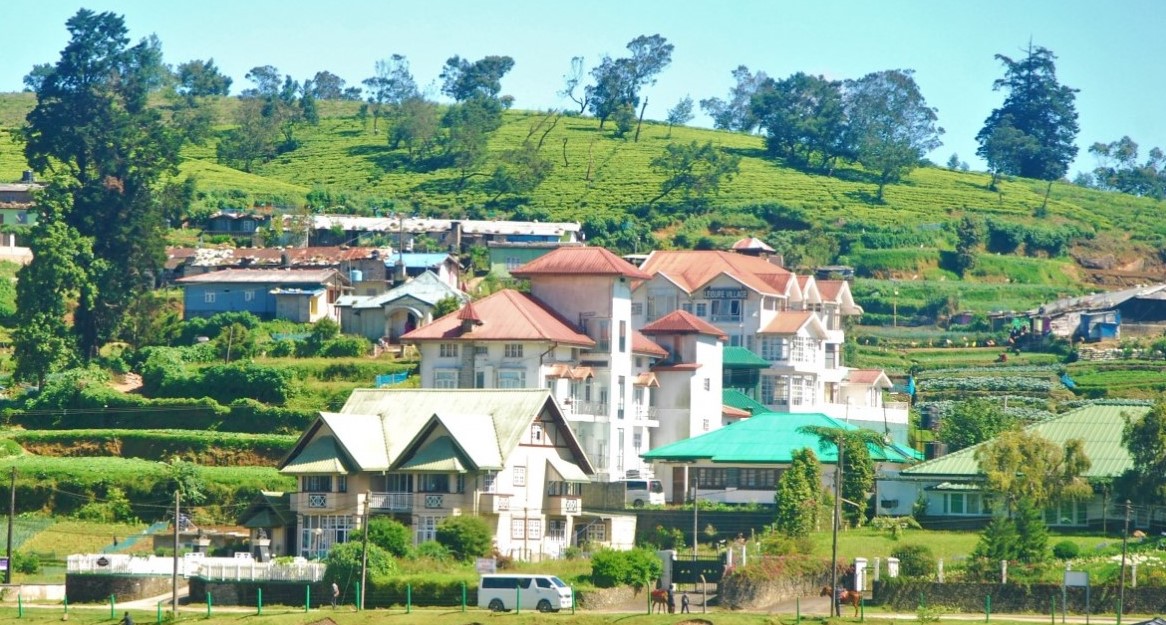
"From taro cultivation in Bogor to village tourism in Banyumas, every village has a story worth telling — and an opportunity worth sharing."
Seven areas of village knowledge
FolderDesa organizes its articles across these interconnected topics, each one grounded in real Indonesian village experience.
What you'll find on FolderDesa
Practical articles written by contributors who understand village life.
Agriculture & Cultivation
Articles on taro (talas bogor), dragon fruit, crystal guava, durian, oyster mushrooms, and tabulampot grapes — plus livestock such as dairy goats and Merino sheep.
Village-Owned Enterprises
Guides on establishing BUMDes, the differences from cooperatives, and why professional phased management matters for village economic growth.
Village Tourism
Coverage of destinations like Desa Karangkemiri in Banyumas, where outbound activities and a swimming pool helped tourism contribute Rp 50 million to village income in 2021.
Culinary Traditions
Indonesian village foods, Sundanese heritage dishes, spiced drinks, infused waters, seafood street-food ideas, and home-industry snack production.
Business Opportunities
From dried wood ear mushrooms and kopyor coconut seedlings to ecoprint crafting, bamboo crafts, and mina padi integrated rice-fish farming.
Village News & Community
Reports on social assistance programs like PKH, village governance structures, and practical tips such as safe homecoming travel during mudik season.
Managing a village goat herd for meat and milk sales
A well-managed goat herd can create two income streams for an Indonesian village: meat from young animals and milk from productive does. The enterprise suits smallholders because goats need less space than cattle, reproduce relatively quickly, and can use browse, crop residues, and household labour when managed carefully.
Profit, however, comes from disciplined systems rather than herd size alone. Breeding records, animal health, feed planning, hygienic milking, and reliable buyers determine whether a village goat business becomes a dependable BUMDes activity or remains an occasional sideline. These principles also apply to Australian small farms, from regional New South Wales to peri-urban Victoria.
Choose goats and markets before building
The first decision is whether the herd will focus on chevon, fresh milk, or both. Meat production usually prioritises fast-growing kids, strong survival rates, and efficient feed conversion. Dairy production requires does with suitable udders, calm behaviour, good lactation, and a regular milking routine. A dual-purpose herd can work, but its breeding goals must be clear.
Study local demand before purchasing animals. In Indonesian villages, meat sales may rise around religious celebrations, weddings, and community gatherings. Milk can be sold to households, cafés, schools, or processors, provided food regulations are met. In Australia, goat meat has established demand among multicultural communities in Sydney and Melbourne, while boutique goat dairy products appeal to specialist grocers and farmers’ markets.
Begin with a manageable group, such as 10 to 20 does and one unrelated buck, or use controlled access to a reputable breeding service. Buying healthy stock from several sources without quarantine can introduce parasites and infectious disease. A smaller, recorded herd is usually safer than a large group with unknown history.
Build housing for health and labour efficiency
Goat housing should be dry, well ventilated, shaded, and easy to clean. Raised slatted floors can help in wet tropical villages, while open-sided shelters with deep bedding may suit drier areas. The building should protect animals from rain, cold winds, dogs, snakes, and theft without trapping ammonia or moisture.
Separate spaces are useful for kidding, sick animals, bucks, and newly purchased goats. Keep feed and water above the floor to reduce contamination. Strong fencing matters because goats are skilled escape artists; woven wire, secure gates, and a small holding pen make handling far easier.
Australian producers must also plan for heatwaves, bushfire risk, and water restrictions. In areas outside Brisbane or Adelaide, shade cloth, trees, and several independent water points can prevent losses when temperatures rise. A village enterprise should calculate daily water needs and keep emergency containers or tanks available before the dry season begins.
Feed for growth and steady milk
Goats thrive on varied forage, including grasses, legumes, shrubs, tree leaves, and suitable crop by-products. However, “natural” feed is not automatically balanced. Growing kids require adequate energy and protein, while lactating does need additional nutrients to maintain milk output and body condition.
Offer clean forage, a measured concentrate ration when necessary, mineral supplements, and unlimited clean water. Introduce new feeds gradually to prevent digestive upsets. Mouldy grain, poisonous plants, and sudden access to lush pasture can cause serious illness. In Indonesian villages, cassava leaves, rice bran, and vegetable residues may be useful after proper preparation, but their nutritional value and safety should be checked locally.
Feed costs can quickly erode returns on Australian farms, particularly during drought in inland Queensland or New South Wales. Keep a simple feed budget that compares purchased hay, pellets, grazing, and labour. Store dry feed off the ground, and grow fodder crops where land and water allow.
Control breeding, parasites, and kidding risks
Record mating dates, birth weights, litter size, growth, illness, and milk yield. Such records reveal which does consistently raise strong kids and which animals consume feed without producing sufficient income. Avoid breeding close relatives, and remove goats with repeated kidding problems, poor udders, or chronic disease.
A practical breeding programme may mate does in groups so kidding is concentrated into periods when feed and labour are available. Pregnant does need closer observation near birth, with clean kidding areas and access to colostrum for newborn kids. Delayed nursing, weak kids, and difficult births require rapid veterinary attention.
Parasite control should be based on observation, faecal testing where available, and targeted treatment rather than routine overuse of the same drench. Check eyelid colour, body condition, faeces, coat quality, and growth. Australian producers commonly work with veterinarians and state livestock guidance, while Indonesian village teams may use a trained animal health worker to coordinate vaccination, treatment records, and biosecurity.
Protect milk quality and meat value
Milking must follow a consistent hygiene routine. Wash hands, clean the udder, use sanitised equipment, discard milk from animals receiving medicines, and cool saleable milk quickly. Raw milk carries food-safety risks, so sellers must follow the relevant Indonesian rules or Australian state requirements for processing, labelling, storage, and direct sales.
For meat, select kids based on age, live weight, condition, and buyer specifications. Avoid withholding feed or water in ways that compromise welfare. Use licensed slaughter and processing facilities where required, maintain a cold chain, and sell cuts in clean, labelled packaging. In Australia, halal certification or an approved halal slaughter pathway may be important for particular customers, while village buyers may prefer live goats for ceremonies.
A BUMDes or producer group can improve bargaining power by aggregating animals, arranging transport, and negotiating regular deliveries. Keep costs transparent: breeding stock, feed, medicines, labour, fencing, transport, slaughter, packaging, and losses should all appear in the calculation. If the group needs advice about partnerships, compliance, or communicating its products, it can use the village contact page to reach the publication team.
Compare sales models and protect cash flow
No single model suits every village. Meat sales may provide quicker turnover, while dairy sales can generate frequent cash but require daily labour and strict hygiene. A simple comparison helps the management team match production with its available skills and market access.
| Sales model | Main advantages | Main requirements | Common risks |
|---|---|---|---|
| Live goats for meat | Simple marketing and low processing cost | Healthy animals, weighing, reliable traders | Price swings and transport stress |
| Chilled or frozen chevon | Higher value per animal and consistent portions | Licensed processing, cold storage, packaging | Spoilage and compliance costs |
| Fresh goat milk | Regular household or café sales | Clean milking, rapid cooling, legal approval | Short shelf life and mastitis |
| Yoghurt or cheese | Longer shelf life and product differentiation | Processing skills, starter cultures, labelling | Uneven quality and slow market development |
| Breeding stock | Premium prices for proven animals | Pedigree, health records, buyer trust | Disease spread and weak demand |
Set prices from full production costs rather than copying a neighbour’s figure. Separate household withdrawals from business money, review stock numbers monthly, and keep a reserve for veterinary care or feed shortages. Australian customers may pay more for traceability, animal welfare, and local provenance; Indonesian village buyers may value affordability, trust, and dependable delivery. Both markets reward clean products and honest records.
A profitable herd is built through steady decisions: buy healthy animals, feed them predictably, record every important event, and sell through channels that match local demand. The central lesson is simple: goat meat and milk become reliable village income when animal welfare, food safety, and financial control are managed as one system.

Questions or story ideas from your village?
FolderDesa welcomes readers who want to share village experiences or learn more about the topics covered on the site.
Visit the Contact Page