
FolderDesa brings together practical knowledge on farming, village-owned enterprises, culinary traditions, rural tourism, and small-business ideas — all rooted in the everyday life of Indonesian villages.
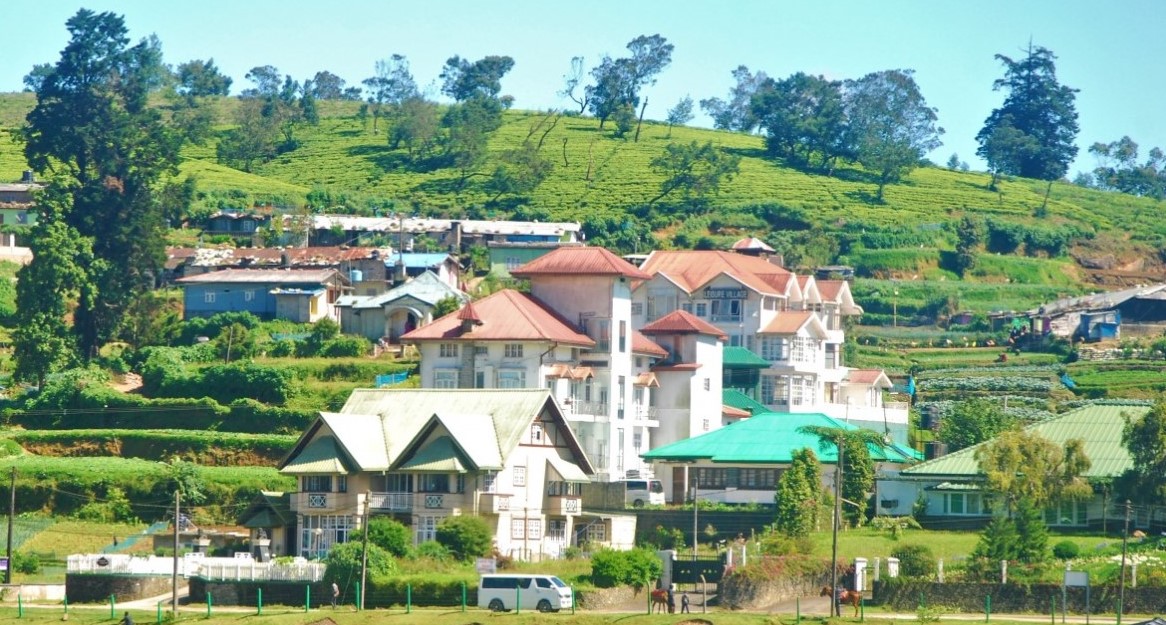
"From taro cultivation in Bogor to village tourism in Banyumas, every village has a story worth telling — and an opportunity worth sharing."
Seven areas of village knowledge
FolderDesa organizes its articles across these interconnected topics, each one grounded in real Indonesian village experience.
What you'll find on FolderDesa
Practical articles written by contributors who understand village life.
Agriculture & Cultivation
Articles on taro (talas bogor), dragon fruit, crystal guava, durian, oyster mushrooms, and tabulampot grapes — plus livestock such as dairy goats and Merino sheep.
Village-Owned Enterprises
Guides on establishing BUMDes, the differences from cooperatives, and why professional phased management matters for village economic growth.
Village Tourism
Coverage of destinations like Desa Karangkemiri in Banyumas, where outbound activities and a swimming pool helped tourism contribute Rp 50 million to village income in 2021.
Culinary Traditions
Indonesian village foods, Sundanese heritage dishes, spiced drinks, infused waters, seafood street-food ideas, and home-industry snack production.
Business Opportunities
From dried wood ear mushrooms and kopyor coconut seedlings to ecoprint crafting, bamboo crafts, and mina padi integrated rice-fish farming.
Village News & Community
Reports on social assistance programs like PKH, village governance structures, and practical tips such as safe homecoming travel during mudik season.
How to start a village savings group for women
A women’s village savings group can turn small, regular contributions into a reliable source of emergency funds, business capital, and household resilience. In rural Indonesia, the model works best when it is built around trust, simple records, and goals that members choose together.
The group may serve farmers’ wives, home-based food producers, market traders, seasonal workers, or women starting small enterprises. Members do not need large incomes. Consistent saving, clear rules, and open meetings are more important than the size of the first contribution.
A well-managed savings circle can also strengthen social ties and local economic activity. Over time, it may support food processing, livestock, handicrafts, village tourism services, or cooperation with a BUMDes.
Begin with trust and a shared purpose
Start by speaking with women who already know and trust one another. A group of 10 to 25 members is usually manageable for a new savings association. Invite women from nearby households, farmer groups, neighborhood associations, or existing community organizations.
Hold an informal first meeting to discuss why the group is needed. Members may prioritize school expenses, medical emergencies, farm inputs, working capital, or a fund for celebrations and community activities. A shared purpose helps the group avoid becoming merely a place to collect money.
Choose a temporary facilitator rather than allowing one person to control every decision. The facilitator can organize the first meetings, explain the process, and help members record agreements. Leadership should later be selected through an open vote.
Choose contributions and meeting routines
Set a contribution that members can afford even during a poor harvest or slow trading season. Weekly contributions may suit market traders, while monthly payments may be easier for farmers with seasonal income. The group can also allow different share levels, provided the rules remain fair and understandable.
Decide where and when meetings will take place. A regular gathering at a member’s home, village hall, or community center creates accountability. Each meeting should include attendance, savings collection, loan repayments, a cash count, and a short review of pending decisions.
Keep the process practical. Members can use numbered savings cards, a bound ledger, and receipts for cash movements. If the group uses a mobile phone or digital wallet, at least two members should verify every transfer.
Write rules before lending begins
A written agreement protects friendships and reduces disputes. It should state the contribution amount, maximum number of shares, loan eligibility, interest or service fee, repayment schedule, late-payment process, withdrawal rules, and procedures for members who leave the group.
The group must also decide whether savings can be withdrawn at any time or only at a scheduled distribution. A locked savings cycle, such as six or twelve months, can help the fund grow. Emergency withdrawals may be allowed with approval from the members.
| Decision area | Simple starting option | Why it helps |
|---|---|---|
| Group size | 10–25 women | Keeps meetings personal and manageable |
| Contribution | One affordable weekly or monthly share | Encourages regular saving |
| Loan limit | Up to two or three times a member’s savings | Controls risk |
| Repayment | Fixed installments over three to six months | Makes cash flow easier to track |
| Cash security | Two key holders and public counting | Reduces misuse of funds |
| Distribution | End of a fixed cycle | Rewards discipline and transparency |
Avoid lending the entire fund to one borrower. A clear maximum loan limit protects other members if repayment is delayed. Loans for productive purposes, such as livestock, food production, or trading stock, may receive priority, while emergency loans should follow a separate rule.
Keep records open and easy to check
Every meeting should end with a public cash count. The treasurer records total savings, loans issued, repayments, fees, and cash kept in hand. A second officer checks the entries, and both sign the page. Members should be able to review the ledger without embarrassment or special permission.
The group also needs a safe storage method. Cash should not remain in a member’s house for long periods. If a bank account is practical, use an account requiring two authorized signatories. If banking access is limited, establish a locked cash box with separate key holders and frequent deposits.
Monthly summaries can be read aloud in the local language. Simple reporting builds confidence among members who may have limited experience with formal financial services. It also makes it easier for village officials or cooperative partners to understand the group’s position without taking control of it.
Link savings with village livelihoods
After several successful saving cycles, members can use the fund to support income-generating activities. Possible projects include cassava snacks, woven products, poultry, seedling nurseries, catering, or small kiosks. Before lending for a business, discuss expected costs, buyers, risks, and repayment capacity.
Agricultural groups can connect savings with better production planning. For example, members interested in mango cultivation can study mango varieties for smallholder farmers before using group loans to purchase seedlings. Technical knowledge should come before borrowing, especially for crops that take years to produce income.
A women’s savings group can also become a partner in rural tourism. Members may provide meals, homestay services, guides, souvenirs, or cultural performances. Anyone preparing a public event can learn from this guide on hosting a cultural festival, while keeping local customs and community consent at the center.
Protect participation and resolve problems
Meetings should remain welcoming to women with different income levels, ages, and educational backgrounds. Do not let confident speakers make every decision. Rotate meeting roles, explain financial terms plainly, and provide extra help to members who struggle with reading or calculations.
A late repayment should trigger discussion rather than immediate humiliation. The borrower can explain the problem, propose a revised schedule, and accept a decision recorded by the group. Repeated nonpayment, false records, or unauthorized cash use require stronger action, including suspension or removal under the agreed rules.
The group should review its rules after each savings cycle. A rule that worked for ten members may not work after expansion. Annual elections, an independent cash check, and a written asset report can keep the organization healthy as its fund grows.
Practical steps for the first cycle
- Gather interested women and agree on a clear economic or emergency purpose.
- Set an affordable contribution and record every member’s commitment.
- Elect a chairperson, treasurer, recorder, and cash custodian with separate duties.
- Approve written lending and withdrawal rules before collecting a large fund.
- Review the first cycle openly and change only the rules that create real problems.
A village savings group grows through repeated, visible acts of fairness. Begin with a modest fund, protect every contribution, and give members a meaningful voice in lending and spending decisions. Gather the founding members, write the first agreement, and schedule the first savings meeting this month.

Questions or story ideas from your village?
FolderDesa welcomes readers who want to share village experiences or learn more about the topics covered on the site.
Visit the Contact Page