
FolderDesa brings together practical knowledge on farming, village-owned enterprises, culinary traditions, rural tourism, and small-business ideas — all rooted in the everyday life of Indonesian villages.
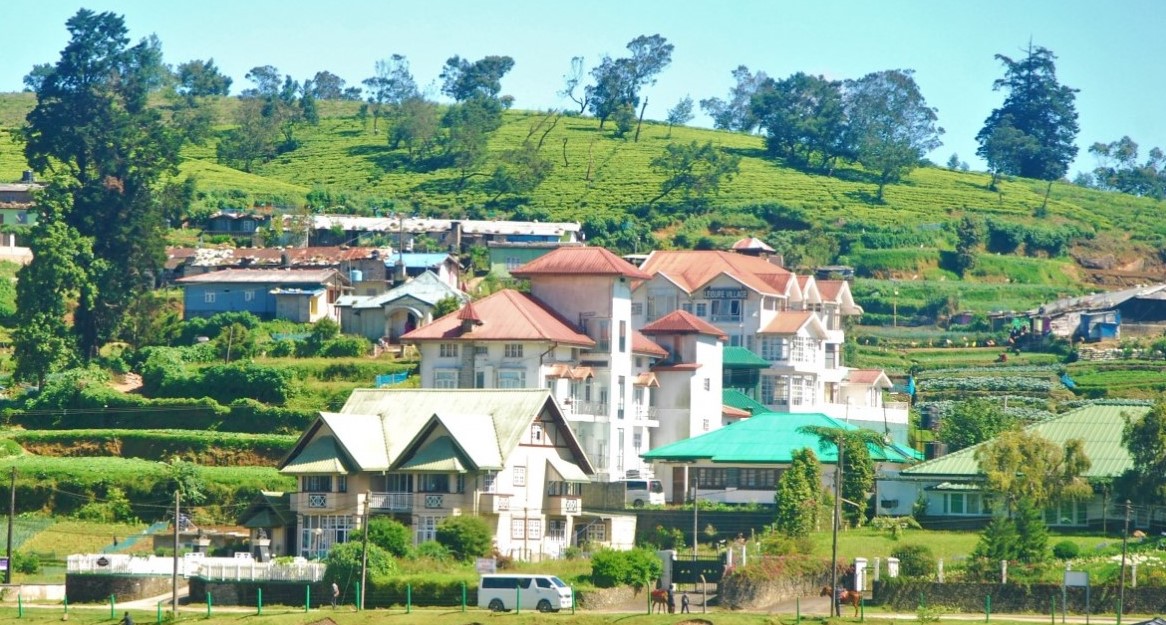
"From taro cultivation in Bogor to village tourism in Banyumas, every village has a story worth telling — and an opportunity worth sharing."
Seven areas of village knowledge
FolderDesa organizes its articles across these interconnected topics, each one grounded in real Indonesian village experience.
What you'll find on FolderDesa
Practical articles written by contributors who understand village life.
Agriculture & Cultivation
Articles on taro (talas bogor), dragon fruit, crystal guava, durian, oyster mushrooms, and tabulampot grapes — plus livestock such as dairy goats and Merino sheep.
Village-Owned Enterprises
Guides on establishing BUMDes, the differences from cooperatives, and why professional phased management matters for village economic growth.
Village Tourism
Coverage of destinations like Desa Karangkemiri in Banyumas, where outbound activities and a swimming pool helped tourism contribute Rp 50 million to village income in 2021.
Culinary Traditions
Indonesian village foods, Sundanese heritage dishes, spiced drinks, infused waters, seafood street-food ideas, and home-industry snack production.
Business Opportunities
From dried wood ear mushrooms and kopyor coconut seedlings to ecoprint crafting, bamboo crafts, and mina padi integrated rice-fish farming.
Village News & Community
Reports on social assistance programs like PKH, village governance structures, and practical tips such as safe homecoming travel during mudik season.
How to start a village organic fertiliser granulation plant
In the rice paddies of Java and the dryland fields of eastern Indonesia, organic fertiliser is moving from a kitchen side-project to a serious village enterprise. A small granulation unit can turn composted manure, rice husks, and sawdust into uniform pellets that store longer, transport easier, and command a higher selling price than bulk compost.
This kind of project does not demand a multinational budget. It does ask for patience with drying times, a clear reading of local raw material flows, and a willingness to learn the small mechanical skills that keep a granulator running. The lessons below draw on what broadacre farmers in regions like the Riverina and Darling Downs already know about handling grain in bulk, blended with the day-to-day realities of an Indonesian village from Aceh to Papua.
Why granulation suits a village enterprise
Granulation is the act of pressing loose organic matter into dense, uniform granules. Once the material is pellet-shaped, it behaves like a commodity: it can be bagged, weighed, priced per kilogram, and stacked in a warehouse without crumbling. Bulk compost, by comparison, is messy to move and hard to grade.
Across rural Java, village-owned enterprises (BUMDes) are taking notice because pellets reduce transport losses and open the door to long-distance buyers in cities such as Bandung and Surabaya, and even export channels routed through Brisbane. Australian agribusiness has long understood that grain handled in pellet or pressed form travels further and sells for more than loose product, and the same logic now applies to organic fertiliser.
For a village team, the most attractive feature is the low entry cost. A modest disc granulator, a simple drying floor, and a covered storage shed are enough to start with. Scale can come later, once the market is proven and cash flow supports an upgrade.
Raw materials and sourcing locally
The recipe for a good organic granule is mostly agricultural waste. Chicken manure from a nearby farm, cow dung from a cattle collective, rice husks from a milling cooperative, and sawdust or coconut coir from a local workshop are common inputs. These materials need to be composted first, in long windrows or in covered pits, until they reach a stable carbon-to-nitrogen ratio. Compost that smells earthy rather than ammonia-sharp is ready to be dried and crushed for the granulator.
Sourcing works best when a BUMDes signs a small supply agreement with a few neighbouring farms. In Australia's grain belt, growers have learned that reliable supply chains beat opportunistic buying every time, and the same holds in a village context. A guaranteed off-take of, say, two tonnes of chicken manure per week gives the granulation line a steady input.
Before buying equipment, it is worth drawing a simple map of every waste stream within five kilometres of the village. Crop residues, livestock bedding, and food-processing by-products all count. The richer the local pool of inputs, the lower the cost per tonne of finished granules.
Equipment, layout and daily production flow
A basic line consists of a crusher, a mixer, a granulator (disc or flat-die type), a drying station, and a bagging scale. The granulator is the heart of the operation, and choosing the right capacity matters more than chasing the largest machine. For most villages starting out, a 300 to 500 kilogram-per-hour unit is plenty.
When weighing suppliers, a brief checklist of motor size, die material, and after-sales support will save years of headaches. Many Indonesian workshops build reliable disc granulators at a fraction of the imported price, and field visits to any shortlisted vendor remain essential. An online reference such as a granulator supplier directory can be a useful starting point for shortlisting candidates.
The workspace should sit close to raw material sources and have a flat concrete floor, a waterproof roof, and good airflow for drying. Daily flow follows a simple rhythm: receive and weigh raw materials, mix to a 30 to 40 percent moisture level, run the granulator, spread pellets on the drying floor, and bag the dried product by mid-afternoon when ambient humidity drops.
Quality standards, certification and packaging
Granules that hold their shape, smell like fresh soil, and contain less than 15 percent moisture will keep for months in a sealed bag. Buyers notice three things: colour uniformity, hardness, and absence of weed seeds. Achieving these calls for compost that has fully matured and a granulator die that is not worn out.
Indonesian organic certification schemes continue to grow, and an increasing number of plantations in Sumatra and Kalimantan will pay a premium for fertiliser carrying an official organic label. Standard-setting bodies similar to Australian Certified Organic, headquartered in Brisbane, set benchmarks that Indonesian exporters are increasingly aligning with as cross-border trade with Australia expands. Meeting those benchmarks from day one is easier than retrofitting a process later.
Packaging is where a small enterprise can look professional without spending much. A 25-kilogram woven polypropylene bag with a printed logo, a stitched seam, and a clear label listing N-P-K values, weight, and a batch number travels well in a pickup truck and survives a sea voyage if export becomes an option.
Markets, pricing and linking to village tourism
Most village granulation plants start by selling within a 50-kilometre radius to smallholder plantations, home garden suppliers, and local cooperatives. Pricing should sit 15 to 25 percent below the equivalent chemical fertiliser price in the same district, while still being 30 to 40 percent higher per kilogram than bulk compost.
Linking the plant to agritourism is a strategy several villages along the Bali and Lombok corridors have already adopted. Visitors watch the granulator run, learn how compost becomes pellets, and leave with a bag in their hands. A wider push to promote rural destinations, including curated listings of rural tourism destinations, helps turn a working factory into a stop on a regional tour route.
A second sales channel worth opening early is contract supply to a regional palm or cocoa nursery. Even a monthly delivery of three tonnes builds a track record and gives the village predictable cash flow.
The simplest next step is to walk the village with a notebook and mark, on a hand-drawn map, every source of animal manure, crop residue, and sawdust within five kilometres. That single map will tell you whether the raw material base can support a 300 kilogram-per-hour line, and it is the document to bring to the first meeting with a granulator vendor.

Questions or story ideas from your village?
FolderDesa welcomes readers who want to share village experiences or learn more about the topics covered on the site.
Visit the Contact Page