
FolderDesa brings together practical knowledge on farming, village-owned enterprises, culinary traditions, rural tourism, and small-business ideas — all rooted in the everyday life of Indonesian villages.
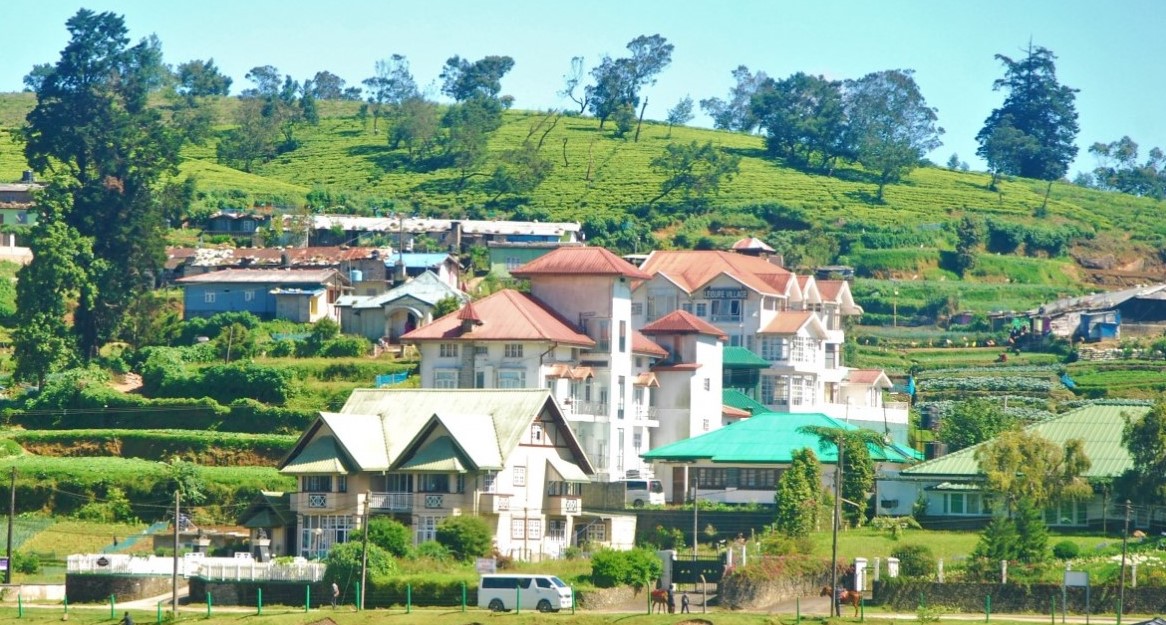
"From taro cultivation in Bogor to village tourism in Banyumas, every village has a story worth telling — and an opportunity worth sharing."
Seven areas of village knowledge
FolderDesa organizes its articles across these interconnected topics, each one grounded in real Indonesian village experience.
What you'll find on FolderDesa
Practical articles written by contributors who understand village life.
Agriculture & Cultivation
Articles on taro (talas bogor), dragon fruit, crystal guava, durian, oyster mushrooms, and tabulampot grapes — plus livestock such as dairy goats and Merino sheep.
Village-Owned Enterprises
Guides on establishing BUMDes, the differences from cooperatives, and why professional phased management matters for village economic growth.
Village Tourism
Coverage of destinations like Desa Karangkemiri in Banyumas, where outbound activities and a swimming pool helped tourism contribute Rp 50 million to village income in 2021.
Culinary Traditions
Indonesian village foods, Sundanese heritage dishes, spiced drinks, infused waters, seafood street-food ideas, and home-industry snack production.
Business Opportunities
From dried wood ear mushrooms and kopyor coconut seedlings to ecoprint crafting, bamboo crafts, and mina padi integrated rice-fish farming.
Village News & Community
Reports on social assistance programs like PKH, village governance structures, and practical tips such as safe homecoming travel during mudik season.
How to start a village worm composting business for organic fertiliser
Across Indonesia, village households have long turned kitchen scraps and livestock manure into something useful for the soil. Worm composting, often called vermicomposting, refines that tradition into a consistent, high-value product that suits both rice paddies and kitchen gardens. For a community-owned enterprise, the activity can become a steady source of organic fertiliser and a modest income stream.
For readers in Australia, the idea may sound familiar. Melbourne households have embraced worm farms for decades, and community gardens in Sydney and Perth regularly sell worm castings to urban growers. The Australian market pays premium prices for certified organic inputs, and that demand creates an opening for Indonesian village cooperatives willing to meet consistent quality standards.
The basics of village-scale vermicomposting
Vermicomposting relies on specific earthworm species, not the night-crawlers found in garden beds, to break down organic matter into nutrient-rich castings. The worms eat roughly their own weight in food each day and produce a dark, crumbly material that improves water retention and slowly releases nitrogen, phosphorus, and potassium. In a tropical village setting, the process works year-round and requires little more than shade, moisture, and a steady supply of organic feedstock.
The resulting castings fetch a higher market price than raw manure or compost because the nutrient content is more concentrated. Australian organic gardeners recognise the value of vermicompost, and a 20-litre bag commonly retails for between A$25 and A$40 at nurseries across Melbourne's inner suburbs, providing a useful benchmark for export-grade pricing.
Choosing a site and assembling low-cost infrastructure
A village worm composting operation does not need expensive buildings. A shaded corner behind the community barn, a stretch under a bamboo grove, or a disused goat pen can be adapted into a productive facility. The key requirements are protection against heavy rain, which can drown the worms, and protection against chickens and ants, which will disturb the beds.
Infrastructure can be staged in tiers, beginning with wooden crates or old bathtubs for the worms, then expanding to concrete bunkers or raised beds as production grows. Many Indonesian villages source old boat hulls as containers, while Australian permaculture designers have documented insulated bins suited for cooler climates. For tropical humidity, simple roofing with translucent polycarbonate sheets allows work to continue during the wet season.
Selecting worm species and building the beds
Not all worms thrive in warm village conditions. Three species offer the best balance of hardiness and reproduction for most Indonesian settings.
| Species | Ideal temperature | Reproduction rate | Best use in villages |
|---|---|---|---|
| African nightcrawler | 24–30°C | Very fast | Lowland Sumatra, Java, Bali |
| Indian blue worm | 20–28°C | Fast | Mixed farms, varied feed |
| Red wiggler | 15–25°C | Moderate | Highland Papua, Aceh |
For most lowland locations across Sumatra, Java, and Bali, the African nightcrawler is the most productive choice. In the highlands of Papua or Aceh, the red wiggler has historically been hardier. Beds should be filled with moistened coconut coir, rice straw, and well-aged cattle manure to give the colony time to settle before the first feeding.
Managing moisture, feed, and harvest rhythms
Worms breathe through their skin and will suffocate if the bedding becomes waterlogged or dries out. The ideal moisture level feels like a wrung-out sponge. In dry East Nusa Tenggara, daily watering may be needed, while in wetter West Java, drainage holes and a sloped base prevent pooling.
Feedstock can come from the village itself. Market waste, banana stems, coffee pulp, and goat or chicken droppings supply reliable feed. Citrus and onion scraps are best avoided in large quantities because they acidify the bedding and stress the worms. Harvesting happens every two to three months by scraping aside the top layer and collecting the dark castings that accumulate below. The worms can then be encouraged to migrate to fresh bedding, making the harvest straightforward.
Turning castings into a market-ready organic fertiliser
Fresh castings are potent but variable in moisture, and buyers prefer a consistent product. Sifting the harvest through a simple mesh removes cocoons, leftover bedding, and any stray worms that spoil the finished batch. The sifted material is then dried under shade until it reaches around 20 percent moisture, packaged in woven sacks, and tagged with weight and a batch date.
For export-minded cooperatives, third-party organic analysis confirms the nutrient profile and reassures buyers about consistent quality. Many Australian importers discover Indonesian castings through diaspora networks, particularly in Perth, where Indonesian Australian families maintain strong village ties. For the cooperative to operate legally, founders should review village regulations and align the business with the local village enterprise (BUMDes) framework.
Pricing the product and reaching buyers
Pricing depends on scale and buyer. In Bali and Java, a kilogram of screened castings sells to organic vegetable growers for around Rp 15,000 to Rp 25,000. Bulk orders for sustainable farms in Brisbane and Sydney can fetch much higher margins once freight and certification costs are covered. Many Australian buyers discover Indonesian castings through word of mouth within the Indonesian community in Perth, where ties to ancestral villages remain strong.
Startup costs for a modest enterprise are low, often under Rp 15 million for bins, worms, and roofing, with steady revenue beginning in the second or third cycle. Before launching, entrepreneurs should clarify online commerce pricing so that digital sales channels and packaged products reflect real margins.
The most reliable path forward is to start with a single bin, learn the rhythm of the worms over one full season, and expand once the harvest is consistent and at least two buyers are waiting. Patience in the first cycle saves money and protects the colony, and a well-tended small operation will outperform a large one that is poorly understood.

Questions or story ideas from your village?
FolderDesa welcomes readers who want to share village experiences or learn more about the topics covered on the site.
Visit the Contact Page