
FolderDesa brings together practical knowledge on farming, village-owned enterprises, culinary traditions, rural tourism, and small-business ideas — all rooted in the everyday life of Indonesian villages.
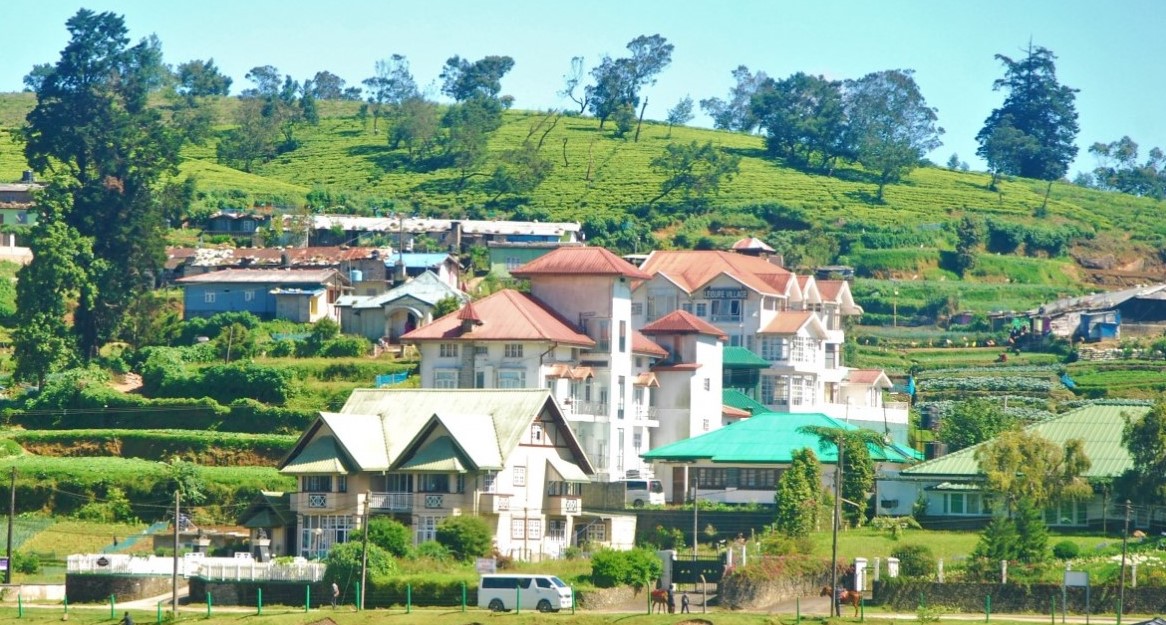
"From taro cultivation in Bogor to village tourism in Banyumas, every village has a story worth telling — and an opportunity worth sharing."
Seven areas of village knowledge
FolderDesa organizes its articles across these interconnected topics, each one grounded in real Indonesian village experience.
What you'll find on FolderDesa
Practical articles written by contributors who understand village life.
Agriculture & Cultivation
Articles on taro (talas bogor), dragon fruit, crystal guava, durian, oyster mushrooms, and tabulampot grapes — plus livestock such as dairy goats and Merino sheep.
Village-Owned Enterprises
Guides on establishing BUMDes, the differences from cooperatives, and why professional phased management matters for village economic growth.
Village Tourism
Coverage of destinations like Desa Karangkemiri in Banyumas, where outbound activities and a swimming pool helped tourism contribute Rp 50 million to village income in 2021.
Culinary Traditions
Indonesian village foods, Sundanese heritage dishes, spiced drinks, infused waters, seafood street-food ideas, and home-industry snack production.
Business Opportunities
From dried wood ear mushrooms and kopyor coconut seedlings to ecoprint crafting, bamboo crafts, and mina padi integrated rice-fish farming.
Village News & Community
Reports on social assistance programs like PKH, village governance structures, and practical tips such as safe homecoming travel during mudik season.
Village Catering for Weddings and Events: A Practical Guide
Across Indonesian villages, weddings and large celebrations have always centred on shared plates, slow-cooked rice, and the gentle bustle of neighbours helping in the kitchen. That tradition of communal cooking, where a village feeds a wedding party for hundreds with whatever the fields and gardens offer that morning, holds real appeal for event planners seeking food with a story. In Australia, where multicultural weddings and food-led gatherings are deeply valued, the village catering model is finding a loyal audience among couples who want more than a standard banquet.
The country's appetite for international flavours has never been stronger. Australians marry later, host multi-day celebrations, and frequently look beyond hotel packages for caterers who can deliver something distinctive. From a coastal ceremony in Byron Bay to a marquee wedding in the Barossa Valley, couples want food that reflects heritage, family, and place. Village-style catering, with its emphasis on generous buffets, slow-braised dishes, and seasonal vegetables, fits that brief particularly well.
Australia's food scene is well regulated, which is good news for serious caterers. Clear rules around hygiene, allergen disclosure, and labelling mean a well-run village catering business can earn trust quickly. The practical groundwork, from supply chains to council permits, is already in place across most states.
What follows is a practical walkthrough of how to start a village catering service for weddings and events in Australia, from shaping the menu to handling council permits and finding your first clients.
Reading the Village Catering Model
Village catering is built around three habits: cooking in large pots over wood or gas, drawing every ingredient from nearby fields or traders, and serving food family-style rather than plated. In Java or Bali, that might mean a long table of nasi kuning, opor ayam, and sambal, with relatives moving between the kitchen and the serving area. The Australian version keeps the spirit of generosity but adapts the execution.
Start by deciding what kind of village experience you want to recreate. Some operators lean into Indonesian flavours head-on, offering rendang, gado-gado, and nasi campur at Australian weddings. Others blend Indonesian technique with Australian produce, slow-cooking local lamb with kecap manis or folding native greens into urap. Both approaches work, but the choice shapes every other decision, from which farmers you call to which crockery you buy.
Photographs of food preparation, market visits, and the slow rhythm of village life become valuable storytelling tools here. A dedicated page on village photography shows prospective clients exactly what your service feels like before they book.
Meeting Australian Food Safety and Legal Requirements
Operating a catering business in Australia means working within the Australia New Zealand Food Standards Code, which sets the rules for safe food handling, allergen labelling, and traceability. Most states also require at least one Food Safety Supervisor on staff, with a certificate obtained through a registered training organisation. Councils in cities like Sydney and Melbourne often ask to see these certificates before granting a food business registration.
You will also need to register the business, typically by applying for an Australian Business Number through the Australian Business Register, and selecting an appropriate structure. A sole trader setup is common for first-year operators, though many event-focused caterers shift to a company structure once they begin booking larger weddings. Public liability insurance, usually a minimum of ten million dollars, is required by most venues and is worth obtaining before your first enquiry.
Mobile and home-based catering comes with extra considerations. Some councils classify a home kitchen as a cottage food operation with strict limits. Others allow broader commercial activity once the kitchen passes inspection. Speaking with your local council's environmental health officer early will save weeks of frustration later.
Sourcing Ingredients and Building Regional Networks
Australian catering lives or dies on its suppliers. Most village-style operators rely on a mix of wholesale produce, specialty importers for items like palm sugar, shrimp paste, or specific rice varieties, and weekend visits to farmers' markets such as Melbourne's Queen Victoria Market or the weekly producers' markets in Adelaide. Building a reliable network of two or three wholesalers for core ingredients keeps pricing stable through wedding season.
Halal certification is worth considering, particularly if you intend to market to the Malay, Indonesian, or Middle Eastern communities that hold large weddings in suburbs like Sydney's Auburn or Melbourne's Dandenong. A recognised halal certificate opens doors to event planners who would otherwise overlook a caterer without one. Vegan and gluten-free options, while not required, are now expected at most Australian weddings and should be planned from the menu design stage, not added later.
Designing Menus for Australian Weddings
Australian wedding guests tend to favour grazing tables and shared platters over formal plated service, which suits the village catering model well. Build menus around two or three centrepieces, such as a slow-braised beef rendang, a whole-roasted fish with sambal matah, and fragrant coconut rice, then surround them with salads, pickles, and condiments that invite mixing.
Be honest about spice levels. Australian palates vary widely, and many guests will be tasting Indonesian food for the first time. Offer a milder base dish alongside the spicier version, label every tray clearly, and provide allergen cards listing peanuts, shellfish, gluten, and dairy. Weddings in regional areas, particularly the Hunter Valley or Margaret River, often run over several days, so consider offering breakfast and late-night menus too.
Pricing, Promotion, and Steady Growth
Pricing requires balancing ingredient costs, labour, and the long hours of event day. Most Australian wedding caterers price per head, with current market rates for a substantial buffet sitting between AUD 70 and AUD 150 depending on menu complexity, staffing, and presentation. Always build in a buffer for last-minute changes, since weddings rarely run exactly to plan.
Promotion works best through visual channels. Instagram, with its emphasis on colourful food photography, suits the village model particularly well. Local wedding expos in Brisbane, Melbourne, and Sydney remain valuable for meeting couples, while partnerships with regional venues, photographers, and celebrants create a steady stream of referrals. Once a few weddings are completed, ask each couple for a short testimonial and professional photographs, then build the next marketing push around those real stories.
A village catering service grows slowly, and that suits the craft. Each wedding refines the menus, tightens the supplier list, and improves the rhythm of the kitchen. Over two or three seasons, the business settles into a reliable shape, with a loyal client base and a quiet reputation that spreads through regional wedding circles. The food, the people behind it, and the sense of a shared table are what guests carry home, and that is worth protecting as the business matures.

Questions or story ideas from your village?
FolderDesa welcomes readers who want to share village experiences or learn more about the topics covered on the site.
Visit the Contact Page