
FolderDesa brings together practical knowledge on farming, village-owned enterprises, culinary traditions, rural tourism, and small-business ideas — all rooted in the everyday life of Indonesian villages.
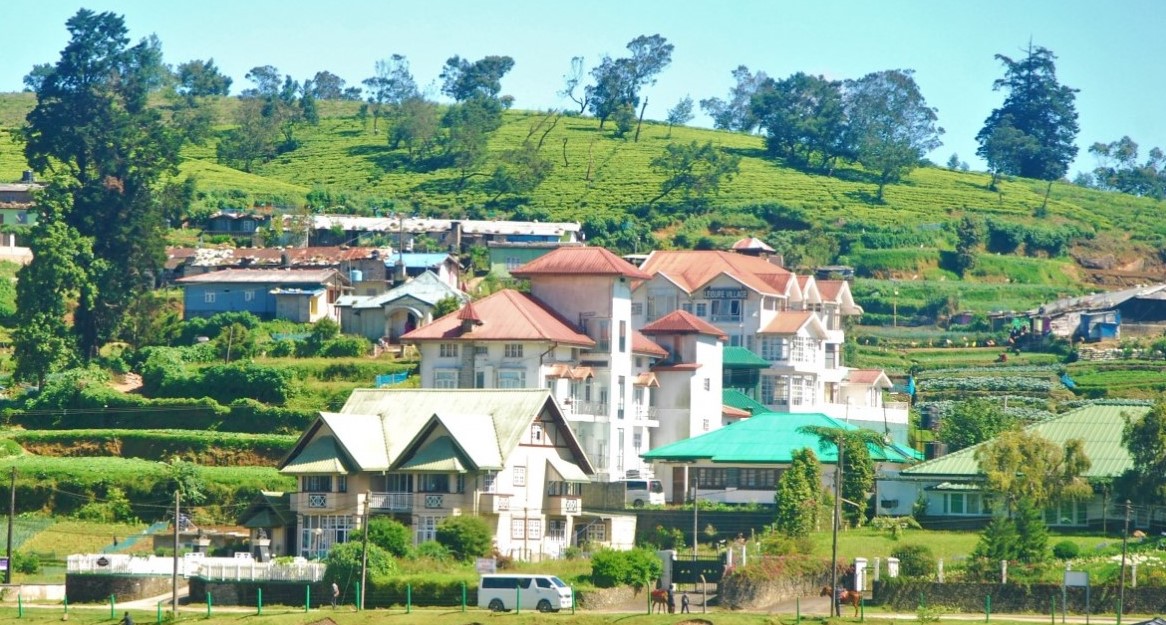
"From taro cultivation in Bogor to village tourism in Banyumas, every village has a story worth telling — and an opportunity worth sharing."
Seven areas of village knowledge
FolderDesa organizes its articles across these interconnected topics, each one grounded in real Indonesian village experience.
What you'll find on FolderDesa
Practical articles written by contributors who understand village life.
Agriculture & Cultivation
Articles on taro (talas bogor), dragon fruit, crystal guava, durian, oyster mushrooms, and tabulampot grapes — plus livestock such as dairy goats and Merino sheep.
Village-Owned Enterprises
Guides on establishing BUMDes, the differences from cooperatives, and why professional phased management matters for village economic growth.
Village Tourism
Coverage of destinations like Desa Karangkemiri in Banyumas, where outbound activities and a swimming pool helped tourism contribute Rp 50 million to village income in 2021.
Culinary Traditions
Indonesian village foods, Sundanese heritage dishes, spiced drinks, infused waters, seafood street-food ideas, and home-industry snack production.
Business Opportunities
From dried wood ear mushrooms and kopyor coconut seedlings to ecoprint crafting, bamboo crafts, and mina padi integrated rice-fish farming.
Village News & Community
Reports on social assistance programs like PKH, village governance structures, and practical tips such as safe homecoming travel during mudik season.
Building a Digital Marketplace for Local Goods in Small Communities
Across regional Australia, small producers are finding new ways to reach customers beyond the local farmers' market. From olive growers tucked behind the hills of the Barossa Valley to beekeepers operating out of converted sheds near Byron Bay, the appetite for locally made goods is growing, and so is the need for a proper online storefront. A village-style marketplace that connects these producers with buyers can breathe life into the rural economy while keeping the personal touch that defines country trading.
Setting up such a platform requires more than a website and a list of products. It asks for an understanding of how rural communities already trade, how Australians shop for specialty goods, and how digital tools can support rather than replace the relationships that hold these communities together. For village leaders, cooperatives, or even a couple of passionate growers, the process can be broken into clear, manageable steps.
Reading the Local Economy Before You Code
Before opening a single browser tab, spend a few weekends walking through the producers in your region. In Tasmania, this might mean visiting a small-batch whisky maker in the Huon Valley. In Western Australia, it could be a family-run mango orchard near Kununurra. The point is to map what already exists, who is reliable, and what products might struggle to find a shelf in a regular marketplace.
Regional Australia has its own rhythm. Many small towns already host monthly community markets where growers and craftspeople gather. Talk to stallholders at places like the Bendigo Community Farmers' Market or the Salamanca Market in Hobart, and you will quickly learn the gaps: products that sell out every month, producers who cannot attend, or buyers who drive hours just for a particular honey or cheese. These conversations become the foundation of your marketplace, telling you what to list, what to leave out, and how to price honestly.
Picking the Right Platform for the Outback
The technology you choose should match the connectivity of the region. In many rural shires, mobile data is patchy, so a marketplace that loads quickly on a 4G phone matters more than a feature-packed site. Open-source platforms like WordPress with WooCommerce, or lightweight builders such as Shopify, can work, but each has trade-offs around transaction fees, customisation, and the ability to handle multiple sellers under one roof.
If the goal is a true cooperative marketplace where several producers share a storefront, look for multi-vendor plugins or platforms built for that purpose. The marketplace should let each farmer or maker upload their own stock, set their own prices, and manage their own orders, while a central administrator oversees quality, shipping rules, and dispute resolution. Before committing, review the legal side of running a digital platform in Australia, including how to register the business and protect customer data.
Sourcing Products and Keeping Standards Honest
Trust is everything when selling food, fibre, or handcrafted goods online. Buyers in Australia are increasingly careful about provenance, organic claims, and ethical sourcing, and they will pay more when they can verify the story behind a product. Build a simple onboarding process that documents each supplier, their growing or making methods, and any relevant certifications, from Australian Certified Organic to Free Range Egg and Poultry Australia.
Practical standards matter too. Fresh produce needs clear cold-chain guidance, perishables should ship with realistic delivery windows, and handmade items must match their photos. A short producer profile on the marketplace, written in plain language rather than marketing fluff, helps buyers feel they know the person behind the goods. Many successful rural marketplaces borrow a phrase familiar to most Aussies: what you see is what you get, and that honesty becomes a competitive edge.
Reaching Customers Beyond the Shire
Marketing a village marketplace is less about flashy ads and more about storytelling that fits the local vernacular. Social media posts that mention a town by name, reference a local landmark, or use casual Australian phrasing such as "pop in for a yarn" tend to perform better than polished corporate copy. Encourage producers to share short videos from the farm, the kitchen, or the studio, and tag the marketplace account so buyers can follow the journey of their food or craft.
Partnerships stretch the audience further. Collaborate with regional tourism bodies, such as Tourism Tropical North Queensland or the Margaret River Region Association, to feature the marketplace on their itineraries. Cross-promote with nearby cafes, cellar doors, and accommodation providers who already attract travellers looking for authentic regional produce. If the marketplace grows, consider a small subscription box for city dwellers in Sydney or Melbourne who want a monthly taste of the country.
Handling Money, Logistics, and the Boring Bits
The unglamorous parts of running an online marketplace often decide whether it survives. Decide early how payments will flow, whether through a single merchant account that pays out to producers weekly, or through individual accounts with a small commission deducted per sale. In Australia, that means registering for an Australian Business Number and understanding Goods and Services Tax obligations, especially once annual turnover crosses the threshold.
Logistics in regional areas demand creativity. Some marketplaces partner with Australia Post for flat-rate regional shipping, while others arrange weekly courier runs from a central collection point in the nearest large town, perhaps Ballarat, Toowoomba, or Launceston. Perishables may need insulated packaging and an express option for distant customers. Build these costs into the product price rather than absorbing them, and always be transparent about delivery times, because a disappointed customer in a far-off suburb rarely comes back.
Practical Moves to Get the Marketplace Off the Ground
- Form a steering group of three to five trusted producers and one or two community members to share decisions and workload.
- Map at least twenty potential suppliers within a one-hour drive to give the marketplace enough range without stretching logistics too thin.
- Start with a single-vendor pilot using one grower's full range before expanding to multiple sellers.
- Set up a shared spreadsheet or simple database to track stock, orders, and customer questions during the pilot.
- Before opening to the public, walk through the the-process-of-obtaining-a-2 so you understand what licences apply to food, labelling, and online sales.
- Plan a soft launch tied to an existing event, such as a local show or a seasonal festival, to attract the first wave of curious buyers.
- Review finances, supplier feedback, and customer service load every month during the first year, adjusting prices and processes as patterns emerge.
The first practical step is to call a meeting at the local pub or community hall, invite half a dozen producers who already sell at the regional market, and spend an hour listing what each one would need from a shared online storefront. That single conversation, scribbled on a napkin or sketched on a whiteboard, becomes the blueprint for everything that follows.

Questions or story ideas from your village?
FolderDesa welcomes readers who want to share village experiences or learn more about the topics covered on the site.
Visit the Contact Page