
FolderDesa brings together practical knowledge on farming, village-owned enterprises, culinary traditions, rural tourism, and small-business ideas — all rooted in the everyday life of Indonesian villages.
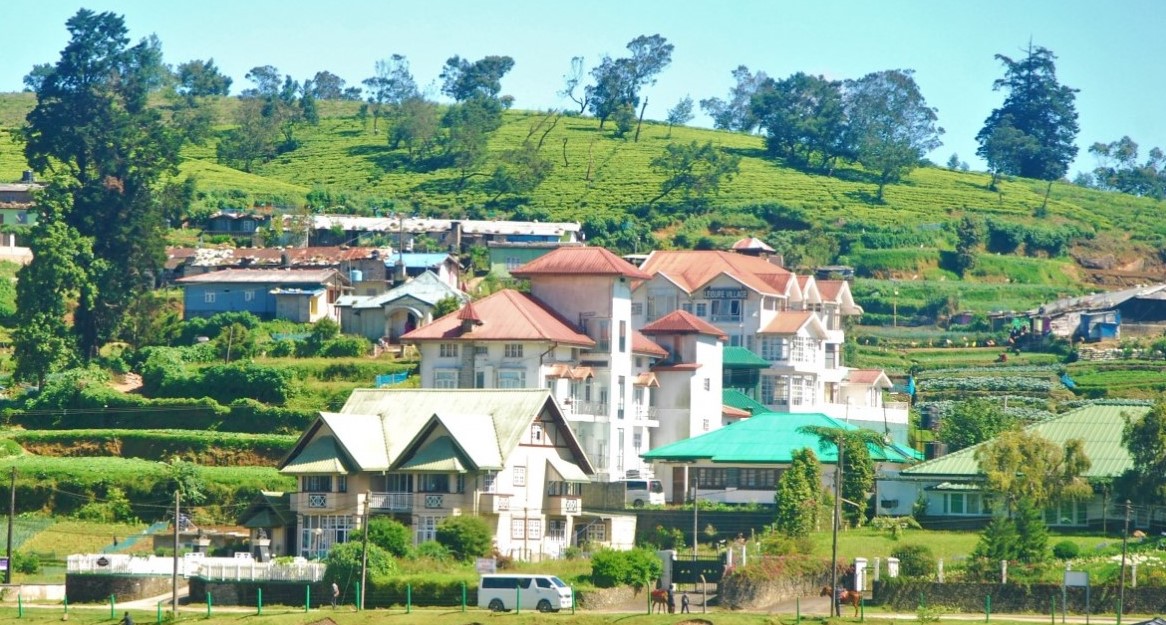
"From taro cultivation in Bogor to village tourism in Banyumas, every village has a story worth telling — and an opportunity worth sharing."
Seven areas of village knowledge
FolderDesa organizes its articles across these interconnected topics, each one grounded in real Indonesian village experience.
What you'll find on FolderDesa
Practical articles written by contributors who understand village life.
Agriculture & Cultivation
Articles on taro (talas bogor), dragon fruit, crystal guava, durian, oyster mushrooms, and tabulampot grapes — plus livestock such as dairy goats and Merino sheep.
Village-Owned Enterprises
Guides on establishing BUMDes, the differences from cooperatives, and why professional phased management matters for village economic growth.
Village Tourism
Coverage of destinations like Desa Karangkemiri in Banyumas, where outbound activities and a swimming pool helped tourism contribute Rp 50 million to village income in 2021.
Culinary Traditions
Indonesian village foods, Sundanese heritage dishes, spiced drinks, infused waters, seafood street-food ideas, and home-industry snack production.
Business Opportunities
From dried wood ear mushrooms and kopyor coconut seedlings to ecoprint crafting, bamboo crafts, and mina padi integrated rice-fish farming.
Village News & Community
Reports on social assistance programs like PKH, village governance structures, and practical tips such as safe homecoming travel during mudik season.
How to start a village laundry service for homestays and guests
A small laundry service can become a practical village enterprise when tourism brings a steady flow of sheets, towels, clothes and kitchen linen. Homestays often have rooms but no reliable system for washing and drying everything between guests. A local service can fill that gap while creating work for residents and supporting nearby accommodation providers.
The best model starts with a clear understanding of local demand. A village near a beach, mountain trail, cultural attraction or agricultural destination may serve guesthouses, cafés and tour operators. In quieter areas, the business can combine visitor laundry with household washing, uniforms, motorcycle rain gear and linen from community halls.
For Australian readers, the idea may resemble a small regional linen service rather than a coin-operated laundromat. Travellers commonly expect clean towels, fresh bedding and quick communication through platforms such as Airbnb. In Indonesian villages, however, the operation may depend more on family labour, refillable detergent, sun-drying space and personal relationships with homestay owners.
Choose customers and services carefully
Begin by speaking with homestay operators, village tourism groups, cafés and guides. Ask how many rooms they manage, how often they change linen, whether they currently wash items themselves and what problems cause delays. A simple survey of ten nearby businesses can reveal whether the main need is routine bedding or occasional emergency washing during busy weekends.
Offer a focused service menu at first. Washing, drying, folding and packaging bed sheets and towels are easier to standardise than delicate clothing. You can later add express service, stain treatment, guest clothing, blankets and table linen. Separate prices for per-kilogram washing and per-item linen make the service understandable for both small family homestays and larger operators.
Check rules, costs and workspace
Before buying equipment, check village and district requirements for wastewater, drainage, building use, noise and waste disposal. A laundry that releases soapy water into a ditch can damage waterways and create conflict with neighbours. The local health office or village administration may also advise on hygiene procedures for businesses handling accommodation linen.
Prepare a basic budget covering machines, plumbing, electrical work, water storage, detergent, baskets, labels, packaging, repairs and transport. In Australia, a similar business would need to consider an ABN, insurance, council approvals, workplace safety duties and possible GST registration. Those rules differ from Indonesia, but the planning lesson is useful: legal compliance and insurance should be treated as operating costs, not as afterthoughts.
Design an efficient washing workflow
The workspace should have separate areas for receiving dirty linen, sorting, washing, drying, folding and storing clean items. Keep clean and dirty materials apart, even in a small room. Colour-coded bags or labelled baskets can prevent a guest’s clothes from being mixed with white homestay sheets.
Water and electricity will strongly affect profit. Choose machines with capacities that match local demand rather than buying the largest model available. Full loads, measured detergent and regular maintenance reduce waste. Solar drying is often practical in village climates, while covered drying racks protect linen during tropical rain. Ideas from this simple greenhouse guide can also help when designing a low-cost, ventilated drying shelter.
Set quality standards that guests notice
Create a repeatable washing routine for every order. Check pockets, record stains, pre-treat marks, wash at an appropriate temperature, dry completely and fold each item consistently. Linen should smell clean without being heavily perfumed. Some guests have allergies or sensitivities, so offer a low-fragrance option and keep chemicals clearly labelled.
Use an order sheet or phone-based record showing the customer, collection date, item count, weight, special instructions and return date. Photograph unusual stains or damaged items before washing. This protects the business from disputes and helps staff learn which fabrics require gentler treatment. In Australia, where many customers are accustomed to digital receipts and quick service updates, WhatsApp messages and mobile payment options can make a village operation feel just as dependable.
Set prices and build a reliable market
Calculate the real cost of each service. Include water, power, detergent, labour, packaging, transport, machine depreciation and a reserve for repairs. A per-kilogram rate may work for mixed clothing, while sheets and towels are often easier to price per piece. Charge more for same-day work because urgent orders interrupt the normal workflow.
Create simple agreements with regular homestays. Agree on collection days, minimum order sizes, payment timing, lost-item procedures and responsibility for pre-existing damage. A weekly route through several guesthouses can make transport affordable. In regional Australian towns, customers often value predictable collection rounds because businesses may be spread across large distances; the same principle applies to Indonesian villages serving scattered accommodation.
Grow the service through local partnerships
A laundry service can become stronger when connected to the wider village economy. Farmers may supply natural fragrance ingredients or woven laundry bags, tailors can repair torn sheets, and youth groups can manage deliveries or digital promotion. A BUMDes may provide a workspace, equipment financing or a formal partnership with the village tourism programme.
Begin with a manageable target, such as three homestays and a fixed number of weekly loads. Track orders, rejected items, water use, late deliveries and monthly profit. If demand grows, add equipment only after the existing workflow is stable. During Australian-style holiday peaks such as summer school breaks, regional events or long weekends, accommodation businesses also need contingency capacity, so an emergency service can become a valuable premium offering.
A village laundry succeeds through consistency rather than expensive machinery. Clean linen, accurate counting, punctual delivery and respectful customer service will earn repeat contracts. The key principle to remember is simple: build a reliable system around local water, labour, tourism demand and community trust.

Questions or story ideas from your village?
FolderDesa welcomes readers who want to share village experiences or learn more about the topics covered on the site.
Visit the Contact Page