
FolderDesa brings together practical knowledge on farming, village-owned enterprises, culinary traditions, rural tourism, and small-business ideas — all rooted in the everyday life of Indonesian villages.
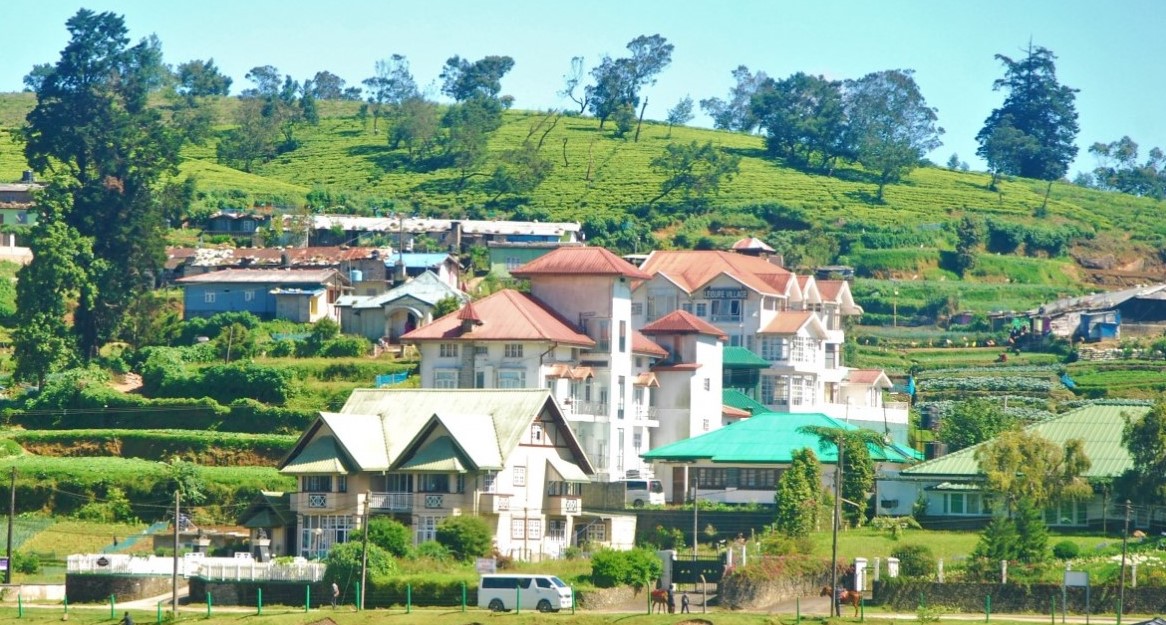
"From taro cultivation in Bogor to village tourism in Banyumas, every village has a story worth telling — and an opportunity worth sharing."
Seven areas of village knowledge
FolderDesa organizes its articles across these interconnected topics, each one grounded in real Indonesian village experience.
What you'll find on FolderDesa
Practical articles written by contributors who understand village life.
Agriculture & Cultivation
Articles on taro (talas bogor), dragon fruit, crystal guava, durian, oyster mushrooms, and tabulampot grapes — plus livestock such as dairy goats and Merino sheep.
Village-Owned Enterprises
Guides on establishing BUMDes, the differences from cooperatives, and why professional phased management matters for village economic growth.
Village Tourism
Coverage of destinations like Desa Karangkemiri in Banyumas, where outbound activities and a swimming pool helped tourism contribute Rp 50 million to village income in 2021.
Culinary Traditions
Indonesian village foods, Sundanese heritage dishes, spiced drinks, infused waters, seafood street-food ideas, and home-industry snack production.
Business Opportunities
From dried wood ear mushrooms and kopyor coconut seedlings to ecoprint crafting, bamboo crafts, and mina padi integrated rice-fish farming.
Village News & Community
Reports on social assistance programs like PKH, village governance structures, and practical tips such as safe homecoming travel during mudik season.
How to Start a Village-Owned Enterprise (BUMDes) in Five Steps
A village-owned enterprise, or BUMDes, can turn local resources into shared economic value. It may manage agricultural processing, clean water, village tourism, retail services, transportation, or other businesses that answer a real need in the community. The strongest BUMDes models begin with careful planning rather than a rush to spend village funds.
Starting a BUMDes also requires cooperation between the village government, residents, community groups, and business partners. Legal compliance matters, but so do transparent decisions, capable managers, and a business concept that can survive beyond its opening ceremony.
The following five steps provide a practical path for villages that want to establish a profitable, accountable, and useful village-owned enterprise.
Identify A Real Village Opportunity
The first step is to study the village’s economic conditions. List available resources, existing businesses, local skills, infrastructure, seasonal income patterns, and common community needs. A village with abundant cassava may have an opportunity in food processing, while a village near a waterfall may develop guided tourism, homestays, or local transport services.
Talk with farmers, women’s groups, youth organizations, traders, and households before selecting a business. Ask what products are difficult to obtain, what services are expensive, and where local producers lose income. This process helps prevent a BUMDes from copying a popular business model that does not fit local demand.
A simple feasibility study should estimate customers, competitors, selling prices, operating costs, risks, and expected cash flow. The goal is not to produce a complicated document. It is to test whether the proposed unit can generate income and provide a clear benefit for village residents.
Establish Community And Legal Foundations
After identifying a promising opportunity, the village must create a formal basis for the enterprise. The village deliberation forum should discuss the purpose, business units, management structure, capital contribution, profit distribution, and community oversight. Decisions should be recorded clearly so residents understand how the BUMDes will operate.
The village government and community representatives must then prepare the required documents according to current Indonesian regulations. These may include the village deliberation decision, articles of association, organizational structure, business identification, tax administration, and banking arrangements. Since administrative requirements can change, officials should verify details with the relevant local agencies and review reliable BUMDes resources.
A BUMDes needs a manager who can work professionally, even when the enterprise is fully owned by the village. Recruitment should consider bookkeeping, marketing, operations, customer service, and sector-specific skills. Political connections or seniority alone should not determine appointments.
Select A Business Model That Fits
A practical BUMDes usually begins with one core business unit rather than several unrelated ventures. The selected activity should use an existing village advantage, have identifiable buyers, and offer room for improved service or higher-value products. Starting with a focused operation makes financial performance easier to monitor.
Villages can compare potential units using demand, capital requirements, management difficulty, and social benefit. The following framework can help during a planning meeting:
| Business Unit | Local Asset Used | Main Customers | Key Risk |
|---|---|---|---|
| Agricultural processing | Crops, farmer groups, equipment | Wholesalers and households | Unstable supply and prices |
| Village shop | Community purchasing power | Residents and visitors | Weak stock control |
| Rural tourism | Landscape, culture, homestays | Domestic and foreign visitors | Seasonal demand |
| Clean water service | Springs, wells, distribution network | Households and public facilities | Maintenance costs |
| Waste management | Labor, collection routes, recycling | Households and businesses | Irregular fee payments |
The business plan should explain the product or service, pricing method, sales channels, staffing, equipment, supplier arrangements, and break-even target. If the enterprise cannot explain how it will earn revenue, it is not ready for investment.
Prepare Capital And Operating Rules
BUMDes capital may come from village assets, village funds allocated through proper procedures, business partnerships, grants, or other lawful sources. Every contribution should be documented, valued, and separated from the personal finances of managers. Mixing business money with village office funds makes performance difficult to assess and creates accountability problems.
Prepare an opening budget that covers equipment, permits, inventory, wages, marketing, transport, maintenance, and emergency reserves. Avoid spending the entire allocation on buildings or vehicles before confirming customer demand. In many cases, a rented facility or shared equipment arrangement can reduce initial risk.
Financial rules should define who approves expenses, how transactions are recorded, when reports are submitted, and how profits are distributed. A portion may support village income, a portion may strengthen business capital, and another portion may fund social or community programs according to the agreed regulations.
Launch In Stages And Track Performance
A pilot launch allows the management team to test its assumptions. Begin with a limited product range, a small service area, or a short tourism season. Collect feedback from customers and residents, then adjust prices, packaging, schedules, or staffing before expanding.
Use simple indicators to monitor the business every month. These may include sales revenue, gross margin, operating expenses, cash balance, customer numbers, repeat purchases, inventory turnover, and complaints. Social outcomes also matter, such as jobs created, farmer income improved, or essential services made more accessible.
Regular reporting builds trust. The manager should present financial and operational results to the village government, supervisory body, and community at agreed intervals. When a business performs poorly, transparent discussion allows the village to revise the model or stop losses instead of continuing because of pride.
Practical Priorities For Long-Term Growth
Once the first business unit is operating, the BUMDes should strengthen its systems before adding new activities. Growth is useful when the original operation has reliable customers, accurate records, and a team capable of handling greater responsibility.
Use these priorities to keep the enterprise focused:
- Separate BUMDes accounts, assets, and records from village government finances.
- Train managers in bookkeeping, digital marketing, procurement, and customer service.
- Build written agreements with suppliers, partners, workers, and community groups.
- Reinvest part of the profit in maintenance, product quality, and working capital.
- Publish clear performance reports that residents can understand.
Partnerships with cooperatives, universities, tourism operators, marketplaces, and private companies can provide technology or market access. However, each agreement should define responsibilities, revenue sharing, contract periods, and risk allocation. A partnership is valuable when it improves the village’s bargaining position and skills.
A successful BUMDes is measured by more than its turnover. It should create dependable services, open local employment, strengthen producers, and generate village income without weakening public trust. Managers who combine commercial discipline with community accountability give the enterprise a stronger foundation.
Village leaders can begin by organizing a community mapping meeting, selecting a small planning team, and collecting basic market data within the next few weeks. From there, residents can test one realistic business idea, document each decision, and build a BUMDes that grows from proven local demand rather than assumptions.

Questions or story ideas from your village?
FolderDesa welcomes readers who want to share village experiences or learn more about the topics covered on the site.
Visit the Contact Page