
FolderDesa brings together practical knowledge on farming, village-owned enterprises, culinary traditions, rural tourism, and small-business ideas — all rooted in the everyday life of Indonesian villages.
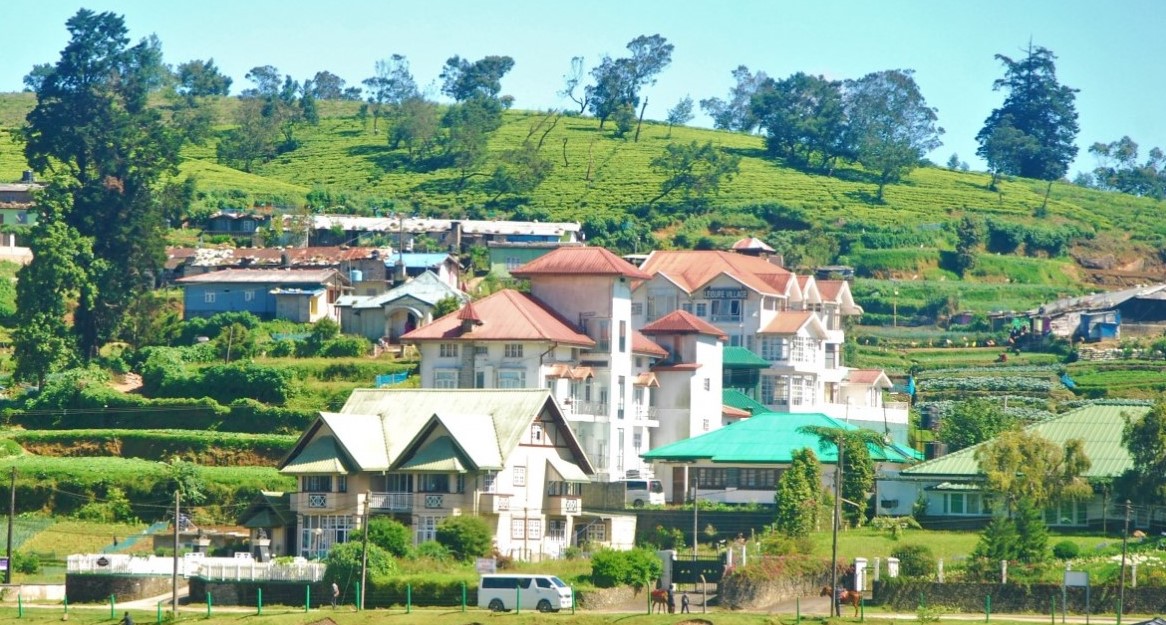
"From taro cultivation in Bogor to village tourism in Banyumas, every village has a story worth telling — and an opportunity worth sharing."
Seven areas of village knowledge
FolderDesa organizes its articles across these interconnected topics, each one grounded in real Indonesian village experience.
What you'll find on FolderDesa
Practical articles written by contributors who understand village life.
Agriculture & Cultivation
Articles on taro (talas bogor), dragon fruit, crystal guava, durian, oyster mushrooms, and tabulampot grapes — plus livestock such as dairy goats and Merino sheep.
Village-Owned Enterprises
Guides on establishing BUMDes, the differences from cooperatives, and why professional phased management matters for village economic growth.
Village Tourism
Coverage of destinations like Desa Karangkemiri in Banyumas, where outbound activities and a swimming pool helped tourism contribute Rp 50 million to village income in 2021.
Culinary Traditions
Indonesian village foods, Sundanese heritage dishes, spiced drinks, infused waters, seafood street-food ideas, and home-industry snack production.
Business Opportunities
From dried wood ear mushrooms and kopyor coconut seedlings to ecoprint crafting, bamboo crafts, and mina padi integrated rice-fish farming.
Village News & Community
Reports on social assistance programs like PKH, village governance structures, and practical tips such as safe homecoming travel during mudik season.
Growing Vanilla Orchids in Shaded Village Gardens
Vanilla is often imagined as a crop that belongs to distant tropical islands, yet the vine quietly adapts to the dappled light beneath fruit trees and bamboo clusters in countless Indonesian villages. For farmers weighing a low-maintenance perennial against a reliable cash crop, the orchid offers a steady, long-term source of income once the curing process is understood. Shaded gardens give the plant the filtered light and humidity it craves, mimicking the forest understorey where wild Vanilla planifolia naturally climbs.
The same approach now attracts growers well beyond Southeast Asia. In Brisbane backyards and around Cairns, hobbyists experiment with small shade-house setups, while in Melbourne and Sydney the appetite for single-origin vanilla has sparked fresh curiosity about how the spice reaches the kitchen shelf. This guide walks through planting, pollinating, and curing vanilla in a shaded village garden, drawing on techniques that suit smallholders from Flores to Far North Queensland.
Why Shaded Gardens Suit Vanilla Orchids
Vanilla planifolia is a climbing orchid that evolved in the lower layers of tropical rainforests, where the canopy softens direct sunlight and the air stays moist. A shaded village garden replicates those conditions, especially when live supports such as Gliricidia, dadap, or fruit trees are already growing. The vine responds with broad, deep-green leaves and, after roughly three years, the first flower spikes that lead to pods.
Filtered light also shields the plant from harsh midday sun that can scorch leaves and dry out aerial roots, keeping soil temperatures stable and reducing water stress. The system pairs well with agroforestry layouts common across Java, Sumatra, and Sulawesi, where coffee, cacao, and cloves share space with timber and fruit trees.
Choosing Cuttings and Preparing the Site
Healthy cuttings are the foundation of any vanilla plot. Select vines between one and two metres long from a vigorous mother plant, looking for sections with at least six to eight nodes and undamaged aerial roots. Dip the cut ends in a mild fungicide or a paste of wood ash and water to discourage rot during the first weeks in the ground.
Prepare the planting area by clearing weeds, loosening the topsoil, and adding a generous layer of compost or well-rotted manure. Mark out rows roughly two to three metres apart, leaving room for the vine to spread and for the gardener to move during pollination. In Australia, biosecurity rules managed by the Department of Agriculture govern the import of any Vanilla planifolia material, so growers should source cuttings from certified nurseries or exchange divisions with neighbours to avoid penalties and protect local ecosystems.
Planting, Mulching, and Companion Crops
Once cuttings are ready, lay each one horizontally in a shallow trench, leaving the top three nodes exposed and burying the rest under two to three centimetres of loose soil. Tie the vine loosely to a living support so the aerial roots can grip the bark and climb on their own. Water the bed well, then cover the soil with a thick mulch of dried leaves, rice straw, or coconut husks to lock in moisture and feed the worms below.
Companion planting strengthens the system. Turmeric, ginger, and cardamom thrive in the same filtered light and add a secondary harvest, while leguminous ground covers fix nitrogen for heavier feeders nearby. Travellers who wander through Indonesian farmlands often notice this layered approach, and enthusiasts can read more about how villages welcome visitors who appreciate slow food on platforms that profile places such as rural village tourism trails. The same shade logic appeals to home growers in suburban Adelaide or Perth who tuck a vanilla vine beneath a passionfruit trellis.
Caring for the Vine Through the Year
Routine care makes the difference between a leafy plant and a productive one. Water deeply twice a week during dry spells, and feed the vine monthly with a diluted liquid fertiliser rich in potassium and trace elements. Prune the tips once the vine reaches the top of its support to encourage side shoots, because flowers appear on lateral branches rather than the main stem.
Pollination is the most demanding task. The flowers open for only a few hours one morning, and hand pollination with a thin bamboo skewer is required outside Mexico, where the native Melipona bee does the job. A single person can pollinate dozens of flowers in a morning, then return the next day to repeat the process as new blooms appear. Pest pressure is usually light, though slugs and root rot can flare up during prolonged rain. Australian growers often rely on organic controls such as neem oil, which align with national pesticide guidelines and the expectations of customers at farmer's markets in Carlton or Paddington.
Harvesting, Curing, and Reaching the Market
Pods take eight to nine months to ripen after pollination, changing from green to pale yellow at the tip when they are ready. Pick them carefully with a sharp knife, avoiding damage to the vine, and begin curing the same day. The traditional process alternates between brief sun exposure, sweating in airtight boxes, and slow drying on racks until the pods turn supple, dark brown, and richly aromatic.
Marketing the finished beans is where smallholders unlock real value. Direct sales to bakeries, restaurants, and home bakers in cities such as Melbourne, Sydney, and Brisbane command far higher prices than bulk wholesale, especially when the story of a shade-grown, hand-pollinated garden is part of the package. Some Indonesian cooperatives now export cured vanilla to Australia, where chefs prize the smooth, creamy notes.
Practical Steps for a Healthy First Season
- Source cuttings from trusted local vines or certified nurseries, and inspect each for firm nodes and healthy roots before planting.
- Prepare beds with compost, mulch heavily, and install living supports the vine can climb for many years.
- Hand pollinate every open flower, keep records of pollination dates, and track each pod as harvest approaches.
- Cure pods slowly, monitor humidity during the sweating stage, and store finished beans in airtight glass.
- Build direct relationships with bakeries, farmer's markets, and small retailers rather than relying solely on middlemen.
- Stay informed on national biosecurity rules and any permits required when moving plant material.
What stays in the mind after a season of vanilla work is the patience the crop demands. A shaded village garden gives the vine a calm home, careful hand pollination sets the pods in motion, and slow curing turns green sticks into aromatic spice. For farmers and hobbyists alike, the reward arrives months after planting day, in the quiet satisfaction of opening a jar of home-grown vanilla that carries the scent of the garden where it began.

Questions or story ideas from your village?
FolderDesa welcomes readers who want to share village experiences or learn more about the topics covered on the site.
Visit the Contact Page