
FolderDesa brings together practical knowledge on farming, village-owned enterprises, culinary traditions, rural tourism, and small-business ideas — all rooted in the everyday life of Indonesian villages.
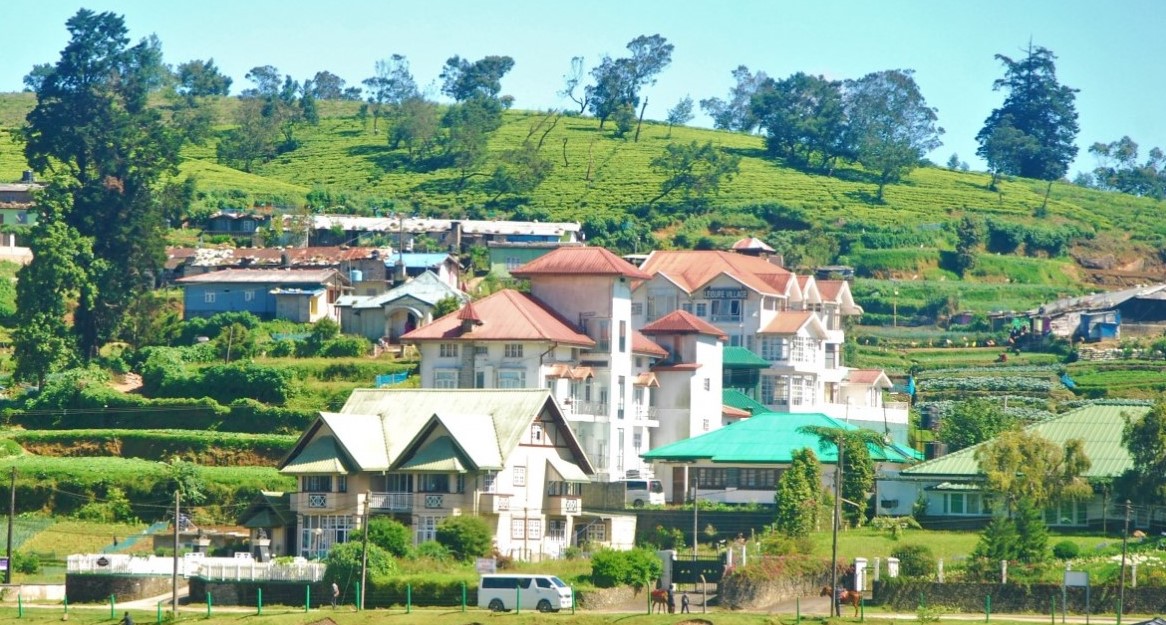
"From taro cultivation in Bogor to village tourism in Banyumas, every village has a story worth telling — and an opportunity worth sharing."
Seven areas of village knowledge
FolderDesa organizes its articles across these interconnected topics, each one grounded in real Indonesian village experience.
What you'll find on FolderDesa
Practical articles written by contributors who understand village life.
Agriculture & Cultivation
Articles on taro (talas bogor), dragon fruit, crystal guava, durian, oyster mushrooms, and tabulampot grapes — plus livestock such as dairy goats and Merino sheep.
Village-Owned Enterprises
Guides on establishing BUMDes, the differences from cooperatives, and why professional phased management matters for village economic growth.
Village Tourism
Coverage of destinations like Desa Karangkemiri in Banyumas, where outbound activities and a swimming pool helped tourism contribute Rp 50 million to village income in 2021.
Culinary Traditions
Indonesian village foods, Sundanese heritage dishes, spiced drinks, infused waters, seafood street-food ideas, and home-industry snack production.
Business Opportunities
From dried wood ear mushrooms and kopyor coconut seedlings to ecoprint crafting, bamboo crafts, and mina padi integrated rice-fish farming.
Village News & Community
Reports on social assistance programs like PKH, village governance structures, and practical tips such as safe homecoming travel during mudik season.
How to organize a village sports day for community bonding
A village sports day can turn an ordinary weekend into a memorable community gathering. Beyond competition, the event creates space for neighbors to meet, children to play, older residents to share stories, and local groups to work toward a common goal.
In rural Indonesia, a well-organized sports festival can also highlight local identity. Traditional games, village food, handmade prizes, and music from community performers make the program feel more meaningful than a standard tournament.
The best results come from careful preparation. A simple plan that considers age groups, costs, safety, facilities, and volunteer capacity will help the day remain enjoyable for both participants and spectators.
Build a shared purpose
Begin with a short meeting involving village officials, youth organizations, women’s groups, schools, sports clubs, and community leaders. Discuss what the event should achieve, such as strengthening cooperation, encouraging healthy activity, celebrating Independence Day, or raising awareness of village programs.
A shared purpose makes decisions easier. If community bonding is the main goal, avoid designing a schedule that focuses only on elite athletes. Include activities that welcome beginners, families, children, and older residents.
Invite residents to contribute ideas before the program is finalized. A suggestion box, neighborhood meeting, or community messaging group can reveal popular games and identify people with useful skills, such as refereeing, cooking, first aid, sound management, or photography.
Choose the date and event format
Select a date that does not conflict with planting, harvesting, religious observances, market days, or major village ceremonies. Early morning and late afternoon are usually more comfortable than the hottest part of the day. Check the weather forecast and prepare an alternative plan for heavy rain.
The format can be a single-day festival or a series of matches held over several weekends. A one-day event is easier to manage, while a longer schedule may work better for football, volleyball, badminton, or table tennis competitions with many teams.
Use a clear registration system. Participants can register through neighborhood coordinators, a village office, or a simple form. Record names, ages, teams, emergency contacts, and any special needs. This information helps organizers create fair categories and respond quickly if someone needs assistance.
| Activity | Suitable participants | Equipment needed | Community value |
|---|---|---|---|
| Sack race | Children and families | Sacks, cones | Creates laughter and easy participation |
| Volleyball | Youth and adults | Net, ball, court markings | Encourages teamwork |
| Traditional relay | Mixed age groups | Batons or local objects | Connects generations |
| Chess or board games | Children, adults, older residents | Boards, chairs, tables | Includes quieter participants |
| Cooking or food relay | Women’s groups and families | Tables, ingredients, utensils | Promotes local cuisine |
Design activities for everyone
A balanced program should combine competitive matches with relaxed games. Football and volleyball may attract many young people, but activities such as sack races, tug-of-war, walking relays, chess, traditional games, and family obstacle courses create wider participation.
Consider mixed-team events that pair different neighborhoods or generations. A teenager can join an older resident in a relay, while children can work with parents in a creative sports challenge. These formats reduce social barriers and help residents meet people outside their usual circles.
Traditional Indonesian games can give the event a distinctive character. Depending on local customs, organizers might include gobak sodor, bakiak racing, marble-and-spoon races, or a bamboo relay. Adapt the rules to protect participants and explain them clearly before each game.
Make registration affordable or free whenever possible. If an entry fee is necessary, keep it transparent and use part of the funds for shared equipment, refreshments, or community activities. No resident should feel excluded because they cannot afford sportswear or equipment.
Assign roles and protect participants
Create a small organizing committee with specific responsibilities. One person can coordinate the schedule, while others manage registration, equipment, referees, food, public announcements, finance, cleanliness, and first aid. Written assignments prevent important tasks from being forgotten.
Prepare the venue several days in advance. Inspect the field for holes, stones, slippery areas, exposed wires, and unstable goalposts. Mark playing boundaries, provide drinking water, set up shaded rest areas, and keep a clear route for emergency access.
Safety rules should be announced at the opening ceremony and repeated before high-energy activities. Participants need suitable footwear, warm-up time, and regular breaks. Children should remain under responsible supervision, while older residents should have access to seating and assistance.
A first-aid station with basic supplies should be visible and staffed. Organizers should also record emergency contact numbers and know the location of the nearest clinic. Keeping the venue clean is part of safety, so place waste bins near food stalls and activity areas.
Support local food and village businesses
A sports day can create small economic opportunities for residents. Invite local food sellers, farmers, beverage producers, craft makers, and village-owned enterprises to operate modest stalls. Give priority to local products such as traditional snacks, fruit drinks, rice dishes, and handmade goods.
To keep the event fair, set simple rules for stall size, hygiene, pricing, waste disposal, and operating hours. A small contribution from vendors can help cover shared expenses, although fees should not discourage home-based entrepreneurs from joining.
Prizes do not need to be expensive. Certificates, local products, seedlings, reusable bottles, farming supplies, or vouchers from village businesses can be useful and memorable. Recognize positive behavior as well as athletic performance by giving awards for fair play, teamwork, punctuality, and cleanest team area.
Clear financial records build trust. List income from registration, sponsorships, or vendor contributions and record spending on equipment, water, medical supplies, printing, prizes, and cleaning. Share a brief report with residents after the event.
Promote participation and document results
Begin promotion at least two weeks before the sports day. Use village noticeboards, neighborhood announcements, school networks, social media, religious or community gatherings, and local radio where available. The message should include the date, location, registration process, activities, and any rules.
Use simple language and visual information so residents of different ages can understand the invitation. Ask neighborhood leaders to personally encourage households that may be less likely to attend, including older residents, people with disabilities, and families new to the village.
Photography and short video clips can preserve memories and promote future events. Obtain permission before publishing close-up images of children or residents. A short report can highlight participation, local vendors, winners, and lessons for the next gathering. Communities seeking help sharing their event story can contact the editorial team with practical details and photographs.
Practical steps for a stronger event
- Set a realistic participant target based on available volunteers, equipment, and venue space.
- Combine popular competitive sports with inclusive traditional games and family activities.
- Publish rules, schedules, prize details, and registration deadlines before the event.
- Prepare water, shade, first aid, toilets, waste bins, and an emergency contact system.
- Hold a short evaluation meeting within one week and record improvements for the next festival.
A successful village sports day is measured by more than scores and trophies. It is visible in the conversations between neighbors, the willingness of residents to volunteer, and the confidence of children who discover a new activity. With thoughtful planning, the event can become a regular community tradition that supports health, cooperation, local culture, and village enterprise.
Gather a small planning team, choose a suitable date, and begin with activities your residents can manage well. A modest, inclusive program will often create stronger bonds than an expensive event designed only for competition.

Questions or story ideas from your village?
FolderDesa welcomes readers who want to share village experiences or learn more about the topics covered on the site.
Visit the Contact Page