
FolderDesa brings together practical knowledge on farming, village-owned enterprises, culinary traditions, rural tourism, and small-business ideas — all rooted in the everyday life of Indonesian villages.
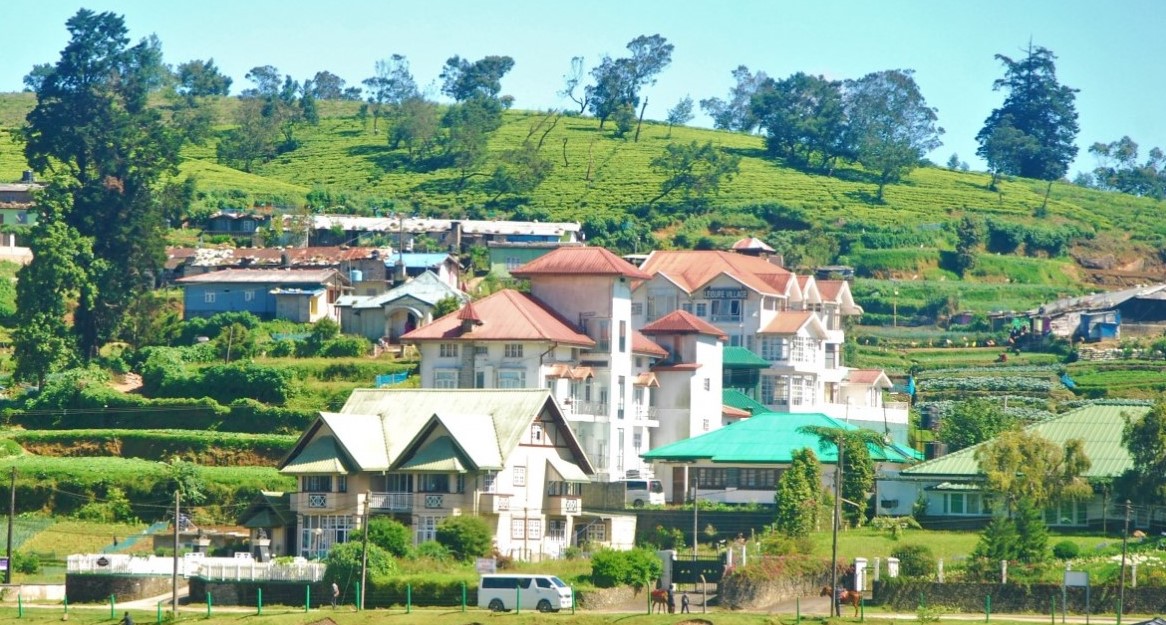
"From taro cultivation in Bogor to village tourism in Banyumas, every village has a story worth telling — and an opportunity worth sharing."
Seven areas of village knowledge
FolderDesa organizes its articles across these interconnected topics, each one grounded in real Indonesian village experience.
What you'll find on FolderDesa
Practical articles written by contributors who understand village life.
Agriculture & Cultivation
Articles on taro (talas bogor), dragon fruit, crystal guava, durian, oyster mushrooms, and tabulampot grapes — plus livestock such as dairy goats and Merino sheep.
Village-Owned Enterprises
Guides on establishing BUMDes, the differences from cooperatives, and why professional phased management matters for village economic growth.
Village Tourism
Coverage of destinations like Desa Karangkemiri in Banyumas, where outbound activities and a swimming pool helped tourism contribute Rp 50 million to village income in 2021.
Culinary Traditions
Indonesian village foods, Sundanese heritage dishes, spiced drinks, infused waters, seafood street-food ideas, and home-industry snack production.
Business Opportunities
From dried wood ear mushrooms and kopyor coconut seedlings to ecoprint crafting, bamboo crafts, and mina padi integrated rice-fish farming.
Village News & Community
Reports on social assistance programs like PKH, village governance structures, and practical tips such as safe homecoming travel during mudik season.
Making Tape Singkong at Home: A Sweet Journey into Fermented Cassava
Tape, also known as tape singkong or tapai, is one of Indonesia's most cherished traditional desserts. This sweet, mildly alcoholic fermented cassava dish carries centuries of culinary heritage and remains a staple at family gatherings, celebrations, and street markets across the archipelago. For Australians curious about Southeast Asian fermentation traditions, making tape at home offers a hands-on connection to Indonesian village culture and the resourceful food practices that have sustained rural communities for generations.
The fermentation process transforms humble cassava roots into something quite magical through the action of natural yeasts. When prepared correctly, tape develops a complex sweetness with subtle fruity notes and a soft, almost jam-like texture. It can be eaten on its own, wrapped in pandan leaves, or incorporated into more elaborate desserts. For those exploring global fermented foods, tape sits alongside other regional favourites like Korean makgeolli or Japanese amazake, each reflecting local ingredients and techniques.
In Australia, interest in traditional Indonesian foods has grown alongside the country's vibrant Indonesian-Australian communities, particularly in Melbourne's western suburbs and across Sydney's inner west. Asian grocery stores in areas like Footscray, Springvale, and Cabramatta routinely stock fresh cassava, ragi tape yeast, and pandan leaves, making the ingredients accessible to home cooks. Resources like FolderDesa offer ongoing inspiration for anyone wanting to explore village-based food traditions and rural Indonesian life beyond what appears on supermarket shelves.
Beyond its delicious taste, making tape teaches patience and respect for natural processes. Unlike instant sweets, fermented cassava requires attention to temperature, timing, and cleanliness, rewarding careful cooks with a product that simply cannot be rushed. Whether you are an experienced fermenter or a curious beginner, the process offers a tangible link to the agricultural rhythms of Indonesian rural life.
Understanding Tape and Its Cultural Roots
Tape holds a special place in Indonesian village life, where it is often made in small batches during the cassava harvest season. The dish is deeply connected to the rhythms of rural agriculture, particularly in regions like Java and Sumatra where cassava thrives in the rich volcanic soils. Village-owned enterprises, known locally as BUMDes, sometimes organise communal production of tape as a small-scale economic activity, with surplus sold to nearby markets or tourists passing through.
For Australian readers, understanding tape's cultural context enriches the cooking experience. The fermentation process reflects the Indonesian philosophy of utilizing every part of the harvest, turning a starchy root into a delicacy through time and natural microbes. In many villages, making tape is a family affair, with grandparents teaching grandchildren the proper signs of fermentation and the right moment to stop the process.
Sourcing Fresh Cassava and Ingredients in Australia
Finding quality cassava in Australia is easier than many people assume. Major supermarkets occasionally stock frozen cassava, but fresh roots are reliably available at Asian grocers in cities like Sydney, Melbourne, Brisbane, and Perth. In Melbourne, shops along Sydney Road in Brunswick and markets like Queen Victoria Market often have fresh cassava during the warmer months. North Queensland residents with tropical gardens might even grow their own, as the climate suits small-scale cultivation.
The other key ingredient is ragi tape, a dried rice flour starter containing active yeasts and moulds. This is available at most Asian grocers, usually sold in small round tablets or powder form. Look for brands imported from Indonesia or Malaysia, and check the packaging for freshness dates. Some online retailers also stock ragi tape for those living in regional areas without easy access to Asian supermarkets.
Preparing the Cassava for Fermentation
Begin by selecting firm, fresh cassava roots without soft spots or mould. Peel the tough brown skin and the pinkish layer beneath it, then wash the white flesh thoroughly. Cut the cassava into manageable pieces, usually around five to seven centimetres long, as smaller pieces ferment faster but can become overly mushy if left too long.
Boil the pieces in water for approximately twenty minutes until just tender but still holding their shape. Drain them well and allow them to cool completely to room temperature before proceeding. This cooling step is critical, as introducing yeast to hot cassava will kill the microorganisms needed for fermentation. Spread the pieces on a clean tray and let them air dry slightly while you prepare your equipment.
The Fermentation Process
Sprinkle the ragi tape evenly over the cooled cassava pieces, gently tossing to coat each surface. Pack the coated cassava into clean glass jars or traditional clay containers, pressing down lightly to remove air pockets. Cover the containers with a breathable cloth secured with a rubber band, allowing gases to escape while keeping contaminants out.
Place the containers in a warm spot where temperatures remain consistently between twenty-five and thirty degrees Celsius. A spot near a water heater, inside an esky with warm water bottles, or on top of a refrigerator can work well during cooler months. Fermentation typically takes two to three days, with the cassava gradually softening and developing its characteristic sweet aroma.
Recognizing When Tape Is Ready
Knowing when tape has reached its peak requires attention to subtle cues. The pieces should feel soft and slightly squishy when pressed gently, and the liquid pooling at the bottom of the container will appear clear to slightly cloudy. A sweet, wine-like fragrance indicates successful fermentation, while any sour or off-putting smells suggest contamination or over-fermentation.
Climate matters here, as Australian homes vary greatly in temperature and humidity. During summer in Darwin or Cairns, fermentation may complete in as little as thirty-six hours, while Perth winters might require up to four days. Taste a small piece when the texture seems right; properly fermented tape should taste sweet with a mild alcoholic warmth rather than sharp or vinegary.
Serving Suggestions for Modern Australian Kitchens
Tape shines brightest when served simply, perhaps in a small bowl with a spoon, allowing its complex flavours to take centre stage. For a contemporary twist, try pairing it with vanilla ice cream or fresh tropical fruits like mango and pineapple, creating a fusion dessert that bridges Indonesian tradition with Australian summer sensibilities.
More adventurous cooks might incorporate tape into pancakes, bread puddings, or panna cottas, using it as a natural sweetener and flavour enhancer. Some Melbourne cafes serving Indonesian-inspired brunch dishes have begun featuring tape in desserts, drawing on the city's reputation for creative multicultural cuisine. Pairing tape with a strong flat white or sweet iced tea creates a satisfying afternoon treat, perfect for the kind of relaxed gatherings Australians love to host in their backyards.
Storing and Food Safety Considerations
Once fermented to your liking, tape keeps well in the refrigerator for up to one week, though many enthusiasts argue it tastes best within the first few days. Transfer the pieces to a sealed container, as the fermentation continues slowly even at cold temperatures. If you notice any pink, orange, or black mould growth, discard the batch entirely, as these indicate harmful contamination rather than the beneficial yeasts used in fermentation.
Making tape also offers lessons in sustainability that align with community values promoted by initiatives like setting up a village recycling program, where resourceful use of local produce reduces waste and strengthens rural economies. As you continue your fermentation journey, consider sharing your homemade tape with neighbours and friends, spreading both the delicious results and the cultural knowledge behind this traditional Indonesian craft.
Pick up some fresh cassava from your local Asian grocer this weekend and set aside three days to ferment your first batch.

Questions or story ideas from your village?
FolderDesa welcomes readers who want to share village experiences or learn more about the topics covered on the site.
Visit the Contact Page