
FolderDesa brings together practical knowledge on farming, village-owned enterprises, culinary traditions, rural tourism, and small-business ideas — all rooted in the everyday life of Indonesian villages.
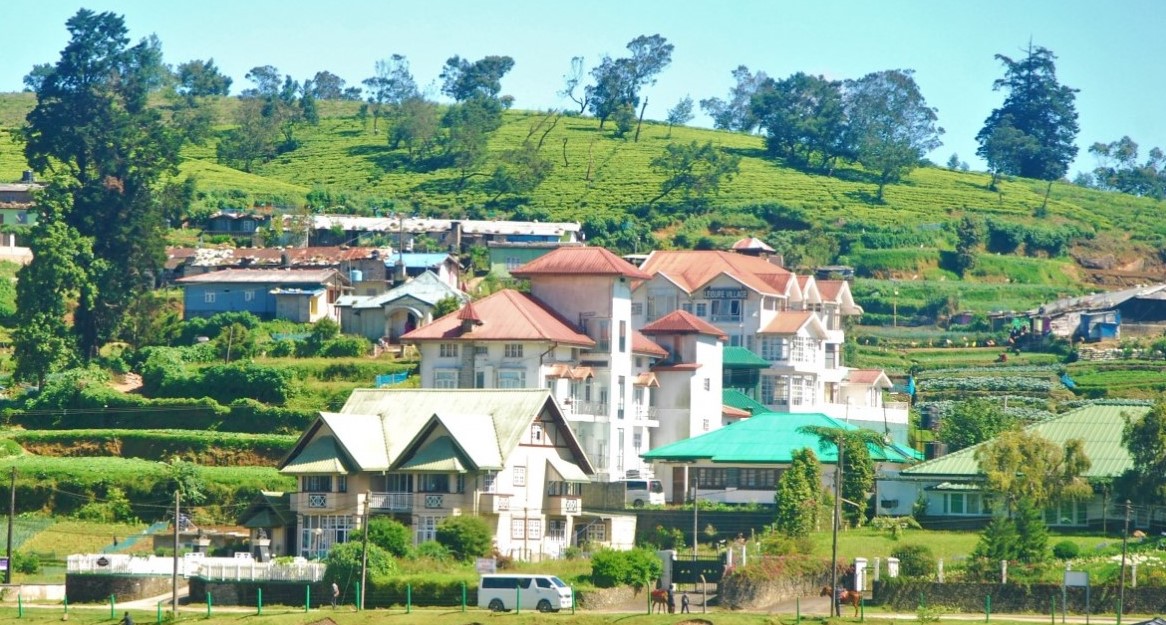
"From taro cultivation in Bogor to village tourism in Banyumas, every village has a story worth telling — and an opportunity worth sharing."
Seven areas of village knowledge
FolderDesa organizes its articles across these interconnected topics, each one grounded in real Indonesian village experience.
What you'll find on FolderDesa
Practical articles written by contributors who understand village life.
Agriculture & Cultivation
Articles on taro (talas bogor), dragon fruit, crystal guava, durian, oyster mushrooms, and tabulampot grapes — plus livestock such as dairy goats and Merino sheep.
Village-Owned Enterprises
Guides on establishing BUMDes, the differences from cooperatives, and why professional phased management matters for village economic growth.
Village Tourism
Coverage of destinations like Desa Karangkemiri in Banyumas, where outbound activities and a swimming pool helped tourism contribute Rp 50 million to village income in 2021.
Culinary Traditions
Indonesian village foods, Sundanese heritage dishes, spiced drinks, infused waters, seafood street-food ideas, and home-industry snack production.
Business Opportunities
From dried wood ear mushrooms and kopyor coconut seedlings to ecoprint crafting, bamboo crafts, and mina padi integrated rice-fish farming.
Village News & Community
Reports on social assistance programs like PKH, village governance structures, and practical tips such as safe homecoming travel during mudik season.
Making Kecap Manis From Village Soybeans And Palm Sugar
Kecap manis is a thick, sweet Indonesian soy sauce with a deep brown colour, savoury aroma, and gentle caramel flavour. Made carefully from locally grown soybeans and palm sugar, it can become a useful village product for household kitchens, food stalls, small shops, and BUMDes enterprises.
The process takes patience because the flavour begins with soybean fermentation before the sweet syrup is added. For Australian cooks, especially those shopping at Melbourne markets, Brisbane Asian grocers, or weekend farmers’ markets in regional New South Wales, the method offers a practical way to connect Indonesian food traditions with locally available ingredients.
Choosing Soybeans And Palm Sugar
Use mature, clean soybeans with an even pale colour. Village-grown beans should be sorted by hand to remove stones, damaged seeds, and beans with a musty smell. Fresh beans produce a cleaner fermentation and a more balanced sauce.
Palm sugar, commonly called gula aren or gula merah, supplies sweetness, colour, and a distinctive smoky caramel note. Indonesian palm sugar is available in many Australian Asian supermarkets, while panela or carefully selected coconut sugar can be a substitute. Avoid ordinary white sugar if the goal is an authentic village-style flavour.
The soybeans should be washed several times and soaked in plenty of clean water for 8–12 hours. In warm weather, change the soaking water if it develops a sharp smell. Australian summer temperatures can speed up spoilage, so keep the beans shaded and work with clean containers.
Ingredients And Equipment
A small household batch needs cooked soybeans, a food-grade fermentation starter, salt, palm sugar, water, and a little tamarind or aromatic spice if desired. Use a starter intended for soy fermentation rather than an unidentified wild culture. Anyone familiar with tempeh fermentation will recognise the importance of clean beans, controlled moisture, and good airflow.
Useful equipment includes a large pot, steamer or colander, clean cloth, non-reactive fermentation container, fine strainer, wooden spoon, and sterilised glass bottles.
- 1 kilogram soaked soybeans
- 180–200 grams salt
- 700 grams palm sugar
- 1.5–2 litres clean water
After soaking, boil or steam the beans until they are soft enough to crush between two fingers. Drain them thoroughly and cool them before adding the starter. Excess water at this stage encourages unwanted bacteria and mould.
Fermenting The Soybean Mash
Spread the cooled beans in a clean tray and mix in the starter according to its instructions. Cover loosely with a clean cloth and leave the beans in a warm, airy place for around 24–48 hours. The beans may develop a pleasant fermented aroma and a light surface growth, depending on the starter used.
The next stage creates a salty soybean mash. Mix the fermented beans with the salt and clean water in a food-grade container. Keep the beans submerged and cover the vessel with a breathable cloth or a loose lid. Ferment for one to three months, stirring with a clean utensil every few days during the first weeks.
A warm Australian kitchen may shorten the process, while a cool winter in Tasmania or the Victorian highlands may slow it down. Watch for rotten smells, bright orange or pink growth, excessive gas, or a slimy texture. If these appear, discard the batch rather than trying to rescue it.
Turning The Mash Into Sweet Soy Sauce
When the mash smells savoury, earthy, and pleasantly fermented, strain it through a clean cloth or fine sieve. Press gently to extract the liquid without forcing too many solids through. This liquid is the salty base of the kecap manis.
Break the palm sugar into small pieces and dissolve it with water in a heavy saucepan. Add the soybean liquid gradually, then simmer over low heat. Stir regularly because sugar settles quickly and can burn at the bottom of the pot.
For extra depth, add a small piece of tamarind, garlic, star anise, or toasted coriander. These additions should support the soybean flavour rather than dominate it. Simmer until the sauce coats the back of a spoon. It will thicken further as it cools, so avoid reducing it until it becomes sticky like jam.
Testing Quality And Preparing Bottles
A good batch should be glossy, dark brown, pourable, and balanced between salt, sweetness, and fermented savouriness. Taste only with a clean spoon, and never return a used spoon to the pot. If the sauce is too salty, blend in a little extra palm sugar syrup; if it is too sweet, add a small amount of strained fermented liquid.
Before bottling, bring the sauce back to a gentle simmer. Pour it into sterilised, heat-resistant glass bottles while hot, leaving a little headspace. Label each bottle with the production date and ingredients. Store unopened bottles in a cool, dark cupboard only when the recipe and bottling process are properly controlled; refrigeration is the safer choice for home batches.
For a village business selling at a farmers’ market in Sydney, Perth, or Adelaide, check Australian food safety requirements before offering the sauce commercially. Labels may need allergen information, a use-by or best-before date, storage instructions, and an accurate ingredient list. A small producer should also keep batch records so any quality issue can be traced.
Serving, Selling, And Building A Village Product
Kecap manis is useful beyond nasi goreng. It can glaze grilled chicken, season fried rice, enrich peanut sauces, or add colour to roasted vegetables. In Australia, it can be introduced through Indonesian food stalls, barbecue gatherings, and community markets where shoppers are interested in regional ingredients and handmade pantry goods.
Presentation matters. A simple glass bottle, clear label, and short story about village soybeans and palm sugar can help customers understand the product. Tourism programs can also connect food production with visitors looking for village travel ideas, cooking demonstrations, and farm-based experiences.
Begin with a small test batch and record the bean weight, fermentation temperature, salt quantity, simmering time, and final yield. The practical rule is simple: use clean equipment, control the salt and moisture, ferment patiently, and refrigerate the finished kecap manis until its safety and shelf life have been properly established.

Questions or story ideas from your village?
FolderDesa welcomes readers who want to share village experiences or learn more about the topics covered on the site.
Visit the Contact Page