
FolderDesa brings together practical knowledge on farming, village-owned enterprises, culinary traditions, rural tourism, and small-business ideas — all rooted in the everyday life of Indonesian villages.
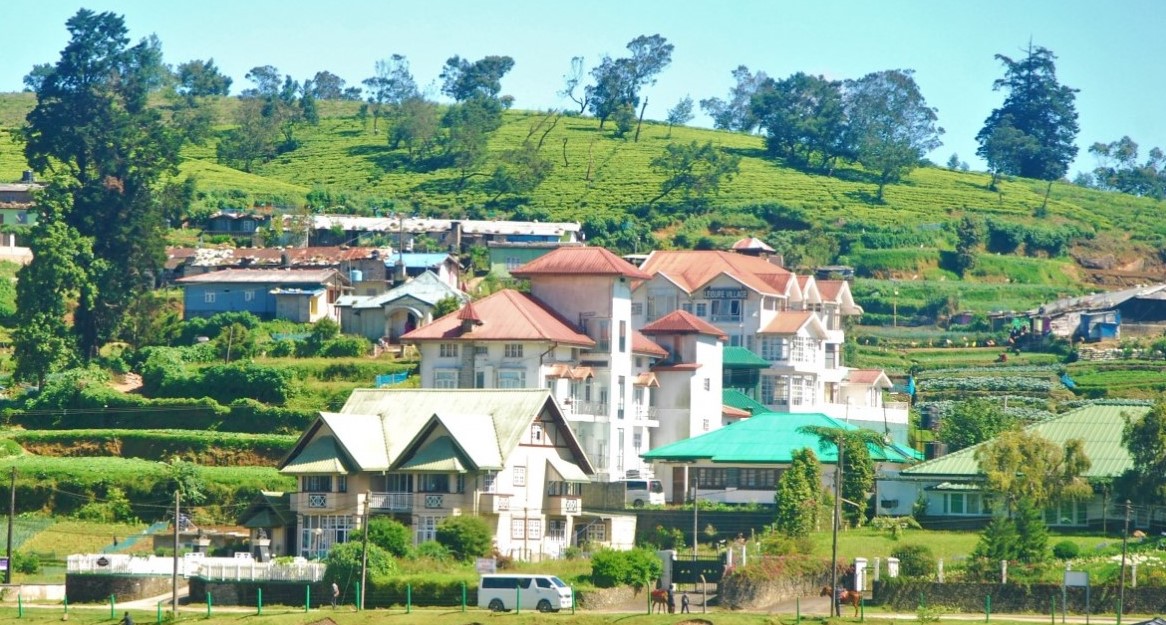
"From taro cultivation in Bogor to village tourism in Banyumas, every village has a story worth telling — and an opportunity worth sharing."
Seven areas of village knowledge
FolderDesa organizes its articles across these interconnected topics, each one grounded in real Indonesian village experience.
What you'll find on FolderDesa
Practical articles written by contributors who understand village life.
Agriculture & Cultivation
Articles on taro (talas bogor), dragon fruit, crystal guava, durian, oyster mushrooms, and tabulampot grapes — plus livestock such as dairy goats and Merino sheep.
Village-Owned Enterprises
Guides on establishing BUMDes, the differences from cooperatives, and why professional phased management matters for village economic growth.
Village Tourism
Coverage of destinations like Desa Karangkemiri in Banyumas, where outbound activities and a swimming pool helped tourism contribute Rp 50 million to village income in 2021.
Culinary Traditions
Indonesian village foods, Sundanese heritage dishes, spiced drinks, infused waters, seafood street-food ideas, and home-industry snack production.
Business Opportunities
From dried wood ear mushrooms and kopyor coconut seedlings to ecoprint crafting, bamboo crafts, and mina padi integrated rice-fish farming.
Village News & Community
Reports on social assistance programs like PKH, village governance structures, and practical tips such as safe homecoming travel during mudik season.
Growing Water Spinach and Leafy Greens for Urban Markets
Fresh leafy greens can turn a small urban plot, rooftop, or village enterprise into a reliable source of income. Water spinach, commonly called kangkung, grows quickly in warm conditions and suits buyers who want crisp vegetables for stir-fries, soups, salads, and juices. Other suitable crops include pak choi, Asian mustard greens, amaranth, choy sum, coriander, and baby spinach.
Australian cities provide several promising outlets. Asian grocers in Sydney and Melbourne, weekend farmers’ markets in Brisbane, cafés in Perth, and home-delivery customers across Canberra often value fresh, locally grown produce. However, the best crop is the one that matches local weather, legal requirements, available water, and the buying habits of nearby customers.
A profitable garden needs more than fast growth. It needs clean production, steady harvests, suitable packaging, and a simple sales plan. By treating each bed as a small production unit, growers can test demand before investing in irrigation, shade structures, hydroponic equipment, or a larger growing site.
Choosing Crops And Checking Local Rules
Water spinach thrives in warm weather, bright light, and consistently moist growing media. It can be grown in soil, raised beds, containers, or controlled hydroponic systems. It is usually harvested by cutting young shoots above a node, allowing the plant to produce another flush. In cooler parts of Australia, growth slows during winter, so growers may need protected cultivation or a seasonal change to pak choi and mustard greens.
State and territory biosecurity rules must be checked before planting or selling water spinach. Ipomoea aquatica is regulated in some Australian jurisdictions because it can become invasive in waterways. Requirements may differ between Queensland, New South Wales, Victoria, Western Australia, South Australia, and the Northern Territory. A grower should contact the relevant state agriculture department and local council before purchasing seed or transporting plants.
Food handling also matters. Fresh produce businesses should follow the Food Standards Australia New Zealand framework, use clean water, prevent animal contamination, and keep harvested greens cool. A council may also require registration or approval for a commercial food activity, especially when washing, packing, storing, or delivering produce.
Preparing A Productive Growing System
Choose a site with six or more hours of sunlight, good drainage, and convenient access to clean water. Leafy greens have shallow roots, so raised beds filled with compost-rich soil can perform well. A soil test helps identify pH, salinity, and nutrient problems before planting. In hot inland areas, 30 to 50 per cent shade cloth can reduce wilting and leaf scorch during summer afternoons.
Water spinach should receive regular moisture without sitting in stagnant water. Drip irrigation or low-flow sprinklers reduce waste and keep the leaves cleaner than overhead watering. In containers and hydroponic channels, inspect the water frequently for algae, odour, blocked lines, and excessive nutrient concentration. Melbourne’s cooler climate may require a greenhouse, while Brisbane growers need strong drainage during heavy summer rainfall.
Plant small batches every seven to fourteen days rather than sowing the entire area at once. This staggered schedule creates a continuous supply and reduces the risk of having too much produce ready on one day. Record sowing dates, harvest weights, rainfall, fertiliser use, pest problems, and customer orders so the most reliable varieties can be repeated.
Managing Quality From Seed To Sale
Use reputable seed and keep different varieties clearly labelled. Crowded plants become thin and disease-prone, while excessive nitrogen can produce lush leaves with weak stems and poor keeping quality. Remove damaged foliage promptly and inspect plants for aphids, caterpillars, snails, and fungal symptoms. Physical barriers, crop rotation, good airflow, and approved treatments are preferable to routine chemical spraying.
Harvest in the cool part of the morning with clean scissors or a sanitised knife. Select stems and leaves that are tender, bright, and free from yellowing. Remove field heat quickly by placing bunches in a shaded, ventilated area, then chill them according to the buyer’s requirements. Do not soak greens in questionable water or pack wet leaves in airtight bags, as this can accelerate decay.
Sell in practical units such as 200-gram bunches, 500-gram family packs, or mixed leafy-green boxes. Reusable crates make transport easier and reduce bruising. A simple label can show the crop name, harvest date, grower details, storage advice, and any required food information. Clear presentation helps a small producer compete with supermarket vegetables.
Finding Buyers And Building Predictable Demand
Start with buyers who can give useful feedback: independent grocers, Vietnamese and Thai restaurants, caterers, meal-kit companies, community markets, and direct household customers. Ask how much they use each week, what pack size they prefer, and whether they need delivery on a particular day. A grower should confirm the price before planting large quantities.
Urban customers often value freshness more than the lowest price, but they still expect consistency. A restaurant may prefer slender kangkung stems every Tuesday, while a family box customer may want a mixed selection of coriander, mustard greens, and baby spinach. Keep a simple order sheet and grow according to confirmed demand rather than optimistic estimates.
For village-based producers supplying city outlets, digital ordering and coordinated transport can lower costs. A BUMDes or cooperative can aggregate produce from several households, standardise packing, and negotiate with wholesalers. Broader ideas about rural enterprise can be found through village business ideas, particularly when farming is combined with processing, distribution, or visitor experiences.
Practical Recommendations
A small trial is safer than a large launch. Test two or three crops, measure labour and water use, and calculate the real cost per marketable kilogram. Include seed, compost, packaging, transport, market fees, rejected produce, and time spent washing or delivering orders.
- Check state biosecurity rules before growing or selling water spinach.
- Begin with raised beds or containers close to a dependable water source.
- Sow leafy greens in staggered batches for regular weekly harvests.
- Contact at least five potential buyers before expanding production.
- Harvest early, shade the produce, and use clean, ventilated packaging.
- Keep records of weights, prices, waste, weather, and customer preferences.
- Add complementary products such as herbs, seedlings, or vegetable boxes once supply is reliable.
A market garden can also support agritourism when visitors are shown safe, permitted growing practices. In rural areas near tourist routes, cooking demonstrations, farm stalls, or garden tours can create additional income, while Indonesian examples of village travel and local attractions appear in these rural tourism stories. Any visitor activity should be planned separately from food production and comply with local safety requirements.
Matching Crops To Markets
| Crop | Best growing conditions | Typical harvest period | Suitable buyers |
|---|---|---|---|
| Water spinach | Warm, moist beds or hydroponics | 25–45 days | Asian grocers, restaurants, market shoppers |
| Pak choi | Mild weather, fertile soil, partial shade | 35–55 days | Families, cafés, supermarkets |
| Mustard greens | Cool to mild weather, steady moisture | 30–50 days | Stir-fry customers, grocers, food boxes |
| Amaranth greens | Warm weather, full sun, good drainage | 25–40 days | Specialty grocers, restaurants, direct sales |
| Coriander | Mild weather, succession sowing | 25–45 days | Restaurants, market stalls, home cooks |
| Baby spinach | Cool weather or protected production | 25–40 days | Salad buyers, cafés, subscription boxes |
The strongest business model usually combines one fast crop, one cool-season crop, and one high-value herb. Water spinach can provide rapid turnover in warm regions, while pak choi, mustard, or coriander can maintain sales during cooler periods. Growers in Sydney, Melbourne, and Canberra should plan around frost and winter light; those in Brisbane and northern regions should focus on drainage, shade, and storm protection.
Set a modest first target, such as supplying ten regular households or one restaurant each week. Confirm the relevant legal permissions, prepare one growing bed, and sow the first staggered batch within the next seven days.

Questions or story ideas from your village?
FolderDesa welcomes readers who want to share village experiences or learn more about the topics covered on the site.
Visit the Contact Page