
FolderDesa brings together practical knowledge on farming, village-owned enterprises, culinary traditions, rural tourism, and small-business ideas — all rooted in the everyday life of Indonesian villages.
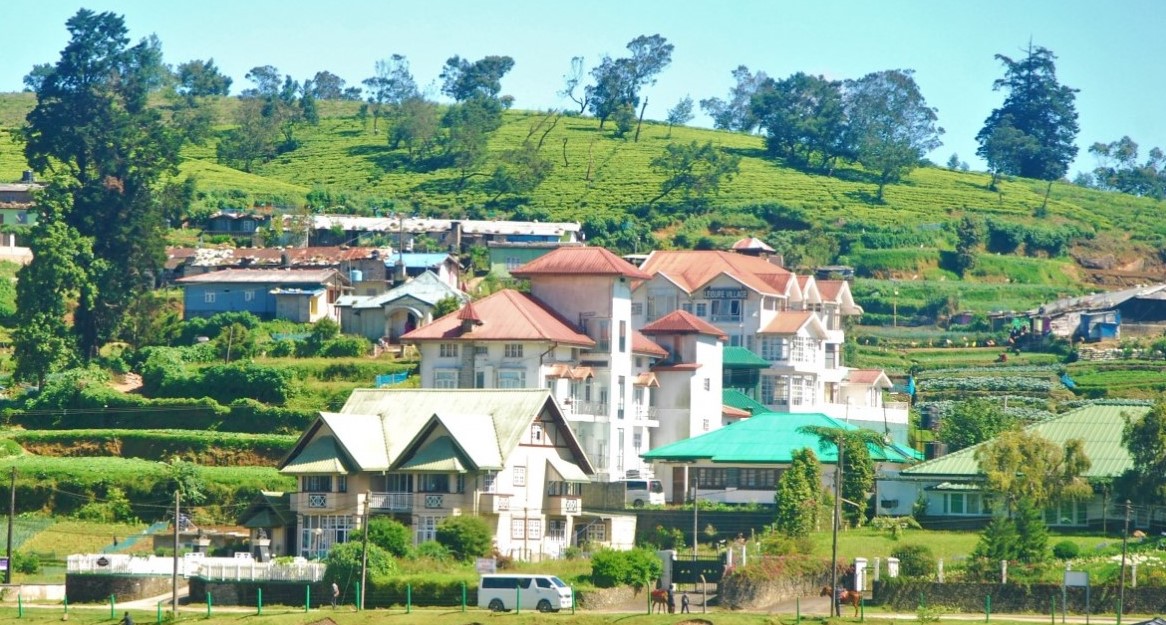
"From taro cultivation in Bogor to village tourism in Banyumas, every village has a story worth telling — and an opportunity worth sharing."
Seven areas of village knowledge
FolderDesa organizes its articles across these interconnected topics, each one grounded in real Indonesian village experience.
What you'll find on FolderDesa
Practical articles written by contributors who understand village life.
Agriculture & Cultivation
Articles on taro (talas bogor), dragon fruit, crystal guava, durian, oyster mushrooms, and tabulampot grapes — plus livestock such as dairy goats and Merino sheep.
Village-Owned Enterprises
Guides on establishing BUMDes, the differences from cooperatives, and why professional phased management matters for village economic growth.
Village Tourism
Coverage of destinations like Desa Karangkemiri in Banyumas, where outbound activities and a swimming pool helped tourism contribute Rp 50 million to village income in 2021.
Culinary Traditions
Indonesian village foods, Sundanese heritage dishes, spiced drinks, infused waters, seafood street-food ideas, and home-industry snack production.
Business Opportunities
From dried wood ear mushrooms and kopyor coconut seedlings to ecoprint crafting, bamboo crafts, and mina padi integrated rice-fish farming.
Village News & Community
Reports on social assistance programs like PKH, village governance structures, and practical tips such as safe homecoming travel during mudik season.
How to Grow Turmeric and Ginger for Spice and Herbal Tea
Turmeric and ginger are well suited to small-scale growing when the soil is warm, loose and reliably moist. Their underground rhizomes provide two useful harvests: fresh ingredients for cooking and dried material for herbal infusions. For Australian gardeners, the main challenge is timing, because both crops need a long warm season but dislike waterlogged soil and severe frost.
These plants can fit a backyard garden, community plot, market garden or village enterprise. Ginger brings a bright, hot flavour to tea and stir-fries, while turmeric offers earthy colour and a gentle bitterness. With careful planting, clean watering and proper storage, growers can supply households, cafés, farmers’ markets and small food businesses.
Choosing Rhizomes And Preparing The Site
Choose firm, plump ginger or turmeric rhizomes with visible buds and no soft, mouldy or shrivelled areas. Organic produce from a reliable supplier can work well, although grocery-store rhizomes may have been treated to delay sprouting. Cut large pieces into sections weighing roughly 30–50 grams, keeping at least one healthy bud on each piece. Allow cut surfaces to dry for a day before planting.
Both crops prefer filtered sunlight or morning sun with afternoon shade. In Brisbane and northern New South Wales, they can receive more sun if the soil stays moist; in Melbourne, Canberra and southern regions, a warm sheltered position is safer. Work compost into friable soil, create raised beds where drainage is poor, and aim for a slightly acidic to neutral growing medium.
Plant after the danger of frost has passed and the soil has warmed, usually from September to November in much of Australia. Gardeners in tropical Queensland may plant earlier, while cool-climate growers can start rhizomes indoors and transplant them once nights become mild. Place each piece 5–8 centimetres deep, with the bud facing upward, and leave about 25–35 centimetres between plants.
Managing Water, Feed And Growth
Keep the soil evenly damp during sprouting and active growth, but never saturated. A layer of straw, sugar-cane mulch or leaf mould helps reduce evaporation during hot weather in Adelaide, Perth and Sydney. Drip irrigation is preferable to wetting the leaves because it delivers water slowly and reduces fungal problems. If leaves yellow while the soil remains wet, improve drainage before adding more fertiliser.
Turmeric and ginger are heavy feeders, so apply mature compost before planting and a balanced organic fertiliser during the growing season. A small side dressing every six to eight weeks is usually sufficient. Avoid fresh manure, which can burn young roots and introduce unwanted pathogens. Healthy plants produce tall, lush foliage, but excessive nitrogen may encourage leaves at the expense of rhizome development.
Weeds compete strongly while the plants are establishing. Remove them by hand and avoid deep hoeing, since new rhizomes grow close to the surface. Inspect regularly for aphids, mites, caterpillars and signs of rhizome rot. Good airflow, clean planting material and sensible irrigation are usually more valuable than routine pesticide use.
Comparing Ginger And Turmeric
Although ginger and turmeric share similar growing requirements, their harvest timing, appearance and culinary uses differ. Understanding these differences helps a grower decide whether to plant one crop or combine both in a rotating garden bed.
| Feature | Ginger | Turmeric |
|---|---|---|
| Best planting time | Warm spring soil | Warm spring soil |
| Typical harvest | 7–10 months after planting | 8–10 months after planting |
| Mature foliage | Narrow, cane-like leaves | Broad, tropical-looking leaves |
| Fresh flavour | Hot, citrusy and aromatic | Earthy, peppery and mildly bitter |
| Tea use | Fresh slices, dried pieces or powder | Fresh slices or dried powder |
| Harvest signal | Leaves yellow and begin to die back | Leaves yellow and collapse |
| Storage | Refrigerate fresh rhizomes or dry thoroughly | Keep dry, cool and dark after curing |
Young ginger can be lifted earlier when the skin is thin and the flavour is mild. Mature ginger has a tougher skin and stronger heat, making it more suitable for drying. Turmeric is often left until the foliage fades so the rhizomes develop deeper colour and a fuller flavour.
For a continuous supply, plant small batches several weeks apart rather than putting every rhizome in the ground at once. This approach suits household use and gives small Australian growers a steadier product for local food stalls or direct sales.
Harvesting, Drying And Brewing
Harvest in dry weather when possible. Loosen the soil with a fork and lift the clumps carefully, avoiding cuts and bruises. Shake away loose soil, trim the stems and wash the rhizomes under clean running water. Fresh ginger can be used immediately, while turmeric should be handled with care because its strong pigment stains skin, chopping boards and fabric.
For dried spice, slice the cleaned rhizomes thinly and place them in a dehydrator or a low oven with good airflow. Dry them until brittle rather than flexible, then store the pieces whole or grind them into powder. In humid coastal areas such as Cairns or Darwin, thorough dehydration is especially important. Store the finished spice in an airtight, light-resistant container.
To make herbal tea, simmer a few slices of fresh ginger or turmeric in water for 10–15 minutes. Dried pieces can be steeped in just-boiled water for a similar period. Lemon, black pepper, cinnamon or honey can be added for flavour. Herbal drinks are foods rather than a substitute for medical treatment, and people taking medicines should check whether concentrated turmeric or ginger products are appropriate.
Building A Small Local Opportunity
A surplus crop can be sold as fresh rhizomes, dried slices, powdered spice or blended tea ingredients. Before selling packaged tea in Australia, check the requirements of the relevant state or territory authority and follow Food Standards Australia New Zealand rules for safe handling, labelling and allergen information. A home kitchen may require registration or approval, depending on the council and the product.
Local demand can be tested through community gardens, independent grocers, cafés and weekend farmers’ markets. In Melbourne and Sydney, customers may value locally grown, low-waste ingredients; in regional towns, a practical story about seasonal production can be equally persuasive. Tourism areas can connect farm products with rural travel experiences, cooking demonstrations and village-style food events.
Useful practices for a reliable harvest include:
- Start with disease-free rhizomes from a traceable supplier.
- Match planting dates to local frost and soil temperatures.
- Use raised beds or containers where heavy rain causes waterlogging.
- Mulch deeply, while keeping mulch slightly away from plant stems.
- Label each planting batch with its date and source.
- Dry sliced rhizomes completely before sealing them for storage.
- Keep simple records of yield, labour, water use and customer demand.
After harvest, replant a few of the healthiest rhizomes for the following season and rotate the crop away from the same bed where practical. Clean tools between batches, compost only healthy plant material and keep finished products separate from raw soil and unwashed produce.
A practical first step is to plant three healthy ginger pieces and three turmeric pieces in a mulched, well-drained bed at the start of the next warm growing season, then record their watering, growth and harvest dates.

Questions or story ideas from your village?
FolderDesa welcomes readers who want to share village experiences or learn more about the topics covered on the site.
Visit the Contact Page