
FolderDesa brings together practical knowledge on farming, village-owned enterprises, culinary traditions, rural tourism, and small-business ideas — all rooted in the everyday life of Indonesian villages.
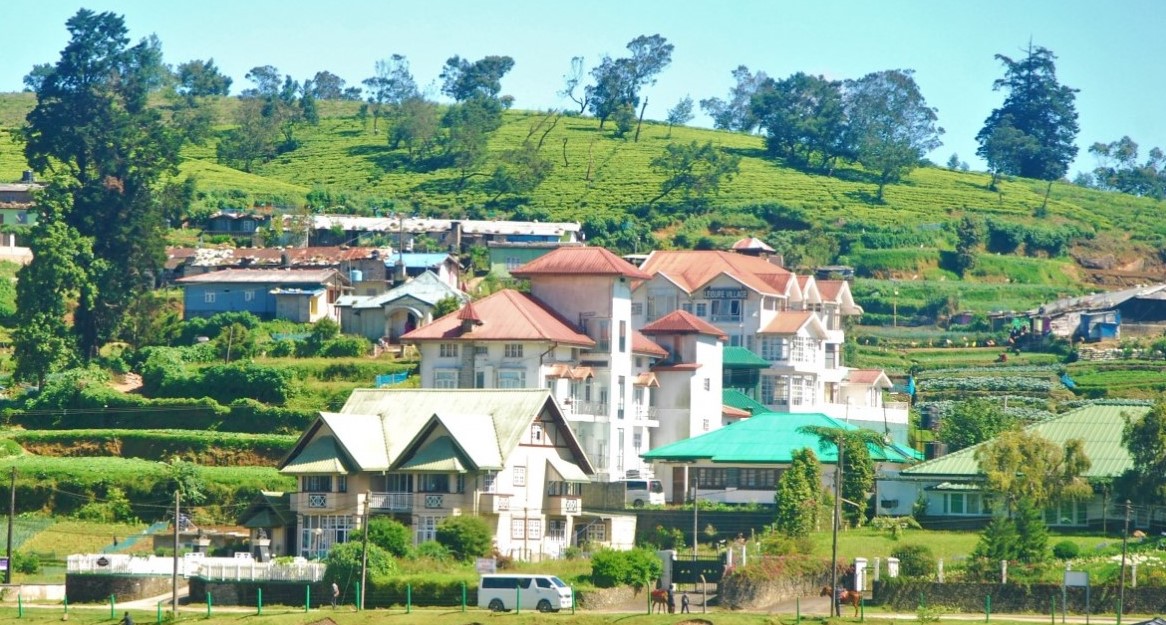
"From taro cultivation in Bogor to village tourism in Banyumas, every village has a story worth telling — and an opportunity worth sharing."
Seven areas of village knowledge
FolderDesa organizes its articles across these interconnected topics, each one grounded in real Indonesian village experience.
What you'll find on FolderDesa
Practical articles written by contributors who understand village life.
Agriculture & Cultivation
Articles on taro (talas bogor), dragon fruit, crystal guava, durian, oyster mushrooms, and tabulampot grapes — plus livestock such as dairy goats and Merino sheep.
Village-Owned Enterprises
Guides on establishing BUMDes, the differences from cooperatives, and why professional phased management matters for village economic growth.
Village Tourism
Coverage of destinations like Desa Karangkemiri in Banyumas, where outbound activities and a swimming pool helped tourism contribute Rp 50 million to village income in 2021.
Culinary Traditions
Indonesian village foods, Sundanese heritage dishes, spiced drinks, infused waters, seafood street-food ideas, and home-industry snack production.
Business Opportunities
From dried wood ear mushrooms and kopyor coconut seedlings to ecoprint crafting, bamboo crafts, and mina padi integrated rice-fish farming.
Village News & Community
Reports on social assistance programs like PKH, village governance structures, and practical tips such as safe homecoming travel during mudik season.
Climbing the Trellis: Growing Long Beans and Snake Gourds at Home
Long beans and snake gourds are two of the most generous climbers you can grow in a tropical or subtropical backyard. Both vines shoot skyward once they sense a structure to grip and reward the patient gardener with armfuls of pods through the warmer months. The trick is matching them to the right trellis, the right feeding schedule and the kind of attention that keeps them producing instead of sprawling across the ground.
For hobby growers in the Top End, North Queensland and the wet coastal strip down to about Bundaberg, the wet season delivers exactly the heat and humidity these crops love. With a bit of planning and a few sturdy posts, even a small courtyard in suburban Brisbane or a backyard block in Darwin can turn into a productive vertical patch by midsummer.
Picking Varieties That Suit the Humidity
Long beans, sometimes called yard-long beans, come in red-seeded and black-seeded types. The red-seeded cultivars handle heavy rain better, which matters when a Brisbane summer storm rolls in or when the Darwin wet delivers three weeks of solid downpour. Snake gourds vary more dramatically; the short, stubby types fruit earlier and suit smaller trellises, while the long serpentine varieties need height and patience.
Local seed-saving networks in Cairns and Townsville often swap varieties that have already proven themselves in similar conditions. Avoid generic supermarket packets that may have sat on shelves for a season and lost vigour.
Building a Trellis That Holds Through Summer Storms
A flimsy trellis is the most common reason climbing crops fail in tropical Australia. Bamboo canes work for a single season but snap once the vine gets heavy with pods in January winds. Treated pine posts, star pickets driven half a metre into the ground, and galvanised wire between them make a sturdier frame that should last several seasons.
Aim for at least two metres of vertical height for snake gourds, since their fruit hangs and can pull the vine down. Long beans are happy with a metre-and-a-half A-frame, and the A shape actually helps pods hang straight. Spacing between trellises should be wide enough to walk between with a bucket during harvest, otherwise you'll be reaching awkwardly across vines every few days.
Soil, Compost and a Steady Feed
Both crops are hungry feeders that respond to soil holding moisture without becoming waterlogged. Work aged cow manure or compost through the top twenty centimetres before planting, then add a thin mulch layer once seedlings establish. In the heavy black soils common around Cairns, drainage matters more than fertility, so a raised mound often outperforms a flat bed.
A fortnightly liquid feed of seaweed and fish emulsion keeps the vines pushing out new flowers, while a side-dress of pelletised poultry manure at flowering gives them the boost needed for pod set. Skip high-nitrogen feeds once flowers form, otherwise you'll get leaves instead of fruit.
Sowing, Spacing and the First Six Weeks
Long beans dislike transplant shock, so direct sowing once soil warms past twenty degrees is the safer route. Drop two seeds per spot, thin to the strongest seedling, and space them about thirty centimetres apart along the base of the trellis. Snake gourds transplant a little better but still sulk if roots are disturbed, so use peat pots or soil blocks if you must start them under cover.
In Darwin and the Top End, sowing at the start of the build-up around October lets plants establish before the heaviest rains. Further south in Brisbane, waiting until late November usually produces a cleaner germination rate.
Training Vines and Daily Upkeep
Vines need a little guidance for the first few weeks until their tendrils find the wire or netting. Tuck wayward stems behind the support rather than tying them tightly, which can snap soft growth. Pinch out the growing tip of long beans once they reach the top of the trellis to encourage branching and a heavier pod set lower down.
Check the base of plants after heavy rain. Soil splash can bury the lower stem and encourage rot, so brushing soil back and refreshing mulch is a quick job that prevents bigger headaches. A daily walk past the trellis during peak summer catches pest damage early, before it spreads through a dense canopy.
Pests and Disease in the Wet
Bean fly is the biggest early-season threat, laying eggs near the base of young long bean plants. A collar of fine mesh or a light dusting of wood ash around the stem discourages them. Powdery mildew can hit snake gourds during humid spells when airflow is poor, so thinning crowded vines keeps the foliage drier.
If you're growing organically, neem oil sprayed in the cooler evening hours handles most leaf pests without harming bees. Keep an eye out for fruit fly as snake gourds approach maturity, since a single sting ruins an otherwise perfect fruit. Bagging young fruit with mesh sleeves is a low-cost fix that works well in small plots.
Harvesting and Selling the Surplus
Pick long beans when pods are pencil-thick and still tender, usually within ten days of flowering. Leaving oversized pods on the vine tells the plant to slow production, so daily picking through summer keeps the harvest rolling. Snake gourds are best cut young, around thirty to forty centimetres long, before the skin hardens.
When the vines start producing more than the family can eat, farmers markets in Brisbane, Sydney and Perth often welcome new growers, particularly those bringing heirloom or Asian vegetable varieties. Selling through community-supported agriculture schemes or directly to Asian grocers and Indonesian restaurants is another reliable channel. Practical farm guides from the village magazine offer useful templates for pricing and small-batch marketing.
For gardeners who need trellis materials, netting or compost bins delivered to regional areas, outdoor gardening supplies stock most of what a backyard grower needs. Readers wanting more on rural enterprise and village-grown wisdom can browse village life stories for context on how small-scale farming shapes Indonesian communities, a useful parallel for anyone running a backyard plot here.
The thing to carry away is that vertical growing turns a small patch into a serious harvest, and the same principles hold whether the trellis sits in a Darwin courtyard or a Balinese home garden. Match the variety to the climate, build the trellis strong enough for summer storms, feed the vines steadily, and pick pods while they are still young and tender. A single metre of vertical space can keep a household in fresh greens for months, with plenty left over to share with neighbours down the street.

Questions or story ideas from your village?
FolderDesa welcomes readers who want to share village experiences or learn more about the topics covered on the site.
Visit the Contact Page